
Sen. Sims: HB 338 will address Georgia’s chronically failing schools
Critics of school bill call it ‘Opportunity School District Lite’
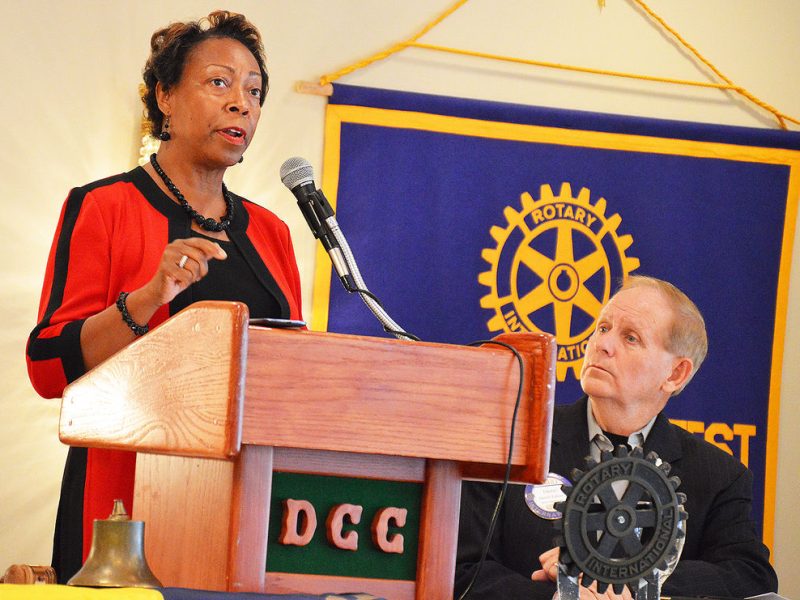
State Sen. Freddie Powell Sims, D-Dawson, talks about the benefit of passing HB 338. She is flanked by State Rep. Darrel Ealum, D-Albany. (Herald File Photo)
By Terry Lewis
ALBANY — Last November, Georgia voters roundly rejected Amendment 1, which would have allowed the state to take over “chronically failing schools.” The Opportunity School District amendment’s rejection struck at the very heart of Gov. Nathan Deal’s education reform plans.
Deal took no chances with the voters during the recently concluded 2017 General Assembly session, urging the house to pass HB 338, which has been labeled by some as “OSD Lite.”
The major differences is that HB 338 will create an appointed “chief turnaround officer” tasked with improving low-performing schools by working with local school districts and community members, in addition to putting those schools under the watch of the State School Board instead of the State School Superintendent.
Four of Albany’s five local legislative delegation members (Sen. Freddie Powell Sims, D-Dawson; Reps. Darrel Ealum, D-Albany; Gerald Greene, R-Cuthbert; and Ed Rynders, R-Leesburg) voted in favor of the bill, which passed the House 133-36. Winfred Dukes, D-Albany, voted “nay.”
Sims, a Democratic co-sponsor of the original Amendment 1, said 338 is needed — especially in rural counties.
“There are still things we need to do to assure all our children get a quality education in Georgia, and HB 338 will address the state’s chronically failing schools,” she said. “It will put some of the rigor back in the education process. Sadly, rather than address issues that impact our students, we’ve had adults more concerned with how those issues impact them. But that’s their job. That’s what they’re paid to do.
“Nobody’s blaming the teachers in this. … It may be administrators, school boards or others officials who are part of a school system. But we have to, at some point, look at ourselves and say, ‘How can we keep telling parents that, yes, our school is failing, but just give us a little more time and we’ll fix it?’”
Sims then pointed to her district as an example.
“I have 11 school districts in (Senate District 12), and each of them has different needs And each entity in those school systems matters. Because when we say we want business and industry to move into our region, we have to understand that they’re not going to come unless we can supply them a well-educated work force. One of our primary problems is that we’re afraid of hurting anyone’s feelings,” she said. “But at some point, people have to be held accountable. If a school board member or an administrator or a teacher or a staff member is not doing his or her job, we have got to step in and say we’re not satisfied with their work and we want to find a way to help them do their job better.
“Then, if they don’t improve, we need to tell them that perhaps that job is not right for them and find someone who will do the job. But we’re afraid of hurting feelings, and we’ve gotten away from holding people accountable.”
Dukes who was a vehement critic of Amendment 1, said HB 338 is basically the same legislation
“To me, that bill is just a bunch of words and won’t move the needle much in addressing the needs of the kids in this state,” he said. “Nowhere in that bill did they address providing additional resources to help the kids that need help the most. That’s why I voted no.”
Carlton Fletcher contributed to this report.
Related Articles
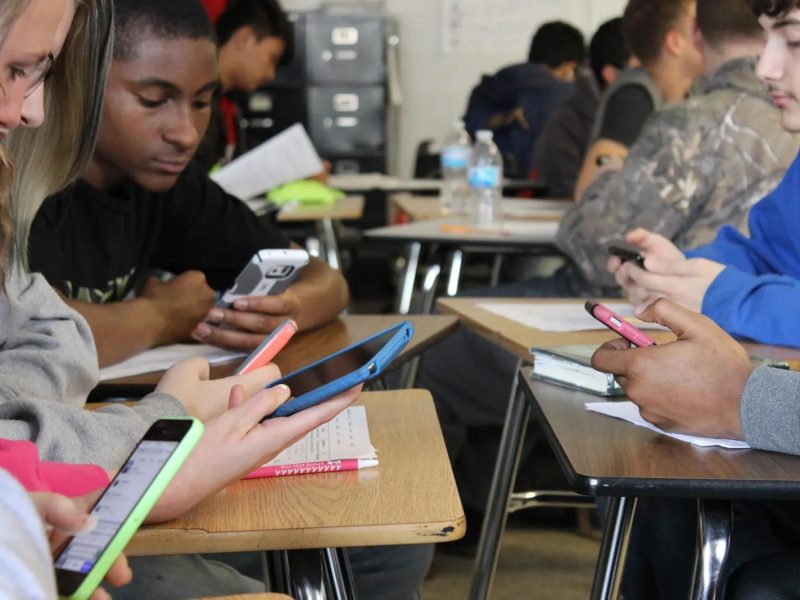
Dougherty Schools prepare for bell-to-bell student cell phone ban
As Georgia prepares to expand its statewide ban on personal electronic devices in public schools, Dougherty County School System leaders say they are working to balance compliance with the new law while giving individual schools flexibility in how they implement the policy.
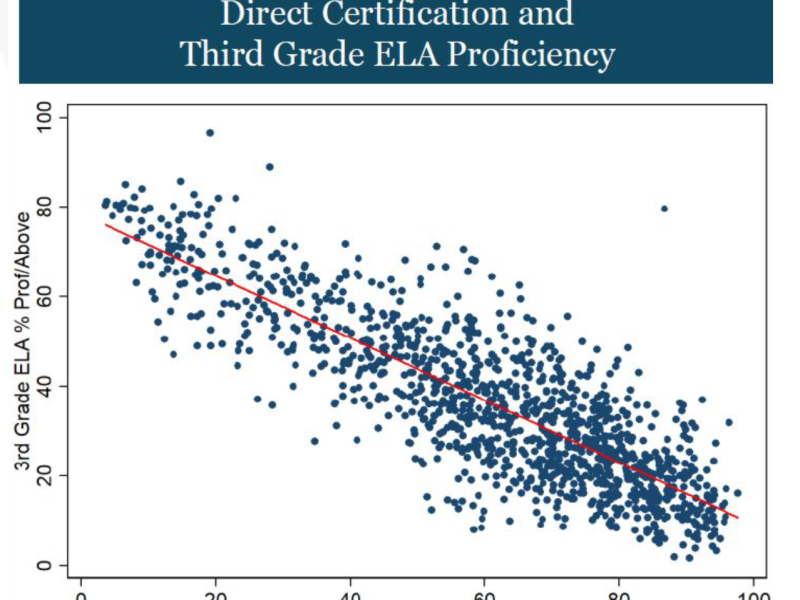
Georgia’s school funding formula still ignores poverty; educators say students pay the price
During a report to the board on the outcomes of this year’s legislative session, Dyer discussed the district’s efforts to persuade lawmakers to add an “opportunity weight” to Georgia’s Quality Basic Education (QBE) funding formula — a change supporters say would provide additional state funding for students living in poverty.

Albany teen, 16, makes bodybuilding debut at Atlanta OCB Pro/Am
Crockett, an Albany resident and student at Albany Technical College Academy, placed second in the teen bikini division this weekend at the OCB Immortal Muscle Pro/Am Bodybuilding Competition in Atlanta, becoming the youngest competitor across all categories at the event.
