
LORAN SMITH: Mack Brown in unfamiliar territory without coaching job
Loran Smith
AUSTIN, Tex. — These are different times for Mack Brown, who won a national championship, two Rose Bowl games, two conference titles and took 15 Texas teams to bowl games in 16 years.
He no longer paces the Texas sideline. In all probability, he has worn a coaching headset for the last time, but with the passing of time, you figure a television headset awaits. He is a master conversationalist who doesn’t need an elocution or grammar coach.
The last time he wasn’t coaching a team was in 1984 when he was the offensive coordinator at, of all places, Oklahoma. He left Norman for New Orleans and Tulane. Tulane was in decline, but he had the Green Wave breaking even in three years. Then he resurrected North Carolina — from back-to-back 1-10 seasons to eight winning campaigns, three of which resulted in 10 victories.
Texas invited him to take up residency in Austin with the late Darrell Royal heading the welcoming committee. Smooth and perceptive, Brown made certain the former Longhorn coach, who won three national championships in Austin, was warmly welcomed at practice and made it a habit to consult with Royal, one of the most respected coaches in college football history.
At dinner at a popular steak house, only a few minutes from the Texas campus, Brown was interrupted a couple of times by fans who shook his hand and thanked him for what he “did for Texas.”
Those are the fans he will remember. He knows he is appreciated by many, the less vocal, not those who take to the Internet to vent their feelings. A football coach, sitting or looking back, can never get caught up in what people are saying. You can’t argue with the many who only find fault. Any coach understands that second guessing accompanies all sports and all who move into leadership positions.
Brown grew up with an emotional connection with the University of Georgia. His grandfather, Eddie “Jelly” Watson, a high school coach in Cookeville, Tenn., had affection for the passing game and studied the concepts of the Bulldogs’ Wallace Butts. When the Georgia job opened up in late 1995, Mack was seriously interested.
“There aren’t that many places where you can win big,” he said. “Georgia is one of them.”
When it was over at Texas in December, Brown decided that he would take time to consider his next move. He traveled with his wife Sally, with the luxury of no sound bites, no wake-up calls and no office visits where he was briefed about a player getting out of line or missing class.
He could identify with the late Frank Howard of Clemson who was asked if he would miss coaching. Howard said, “I ‘speck I’m gonna miss being with the players and the coaches and the fun of being on the field for the games. But, I’ll tell you one thing I won’t miss — that’s some smart-aleck 17-year-old kid telling me he ain’t quite made up his mind where he is going to school.”
Brown is one coach who actually enjoyed recruiting, but he is beginning to appreciate a lifestyle where signing a highly publicized recruit and the urgency to win every game on the schedule is no longer his mission. The roses are smelling good.
There are several things he will not do as the Texas ex-coach. He won’t make swipes at the administration, although insiders say he has plenty of justification. He won’t comment on anything his successor, Charlie Strong, does or doesn’t do. If Strong fails at any point during his tenure, the new Texas coach won’t hear it whispered that his predecessor smirked about a failed fourth down call at a local coffee club, a common routine taken by many ex-coaches.
You’ll never catch Brown whining negatively, but you can glean from his body language that it is lamentable that graduating players and playing by the rules doesn’t count with many of those who are most zealous about college football.
Related Articles

Dougherty Commission considers $104 million budget for 2026-2027 budget year
“The other side of the coin is you could have higher revenues than projected. We’re very conservative in budgeting revenues. That also reduces the need to use fund balance”
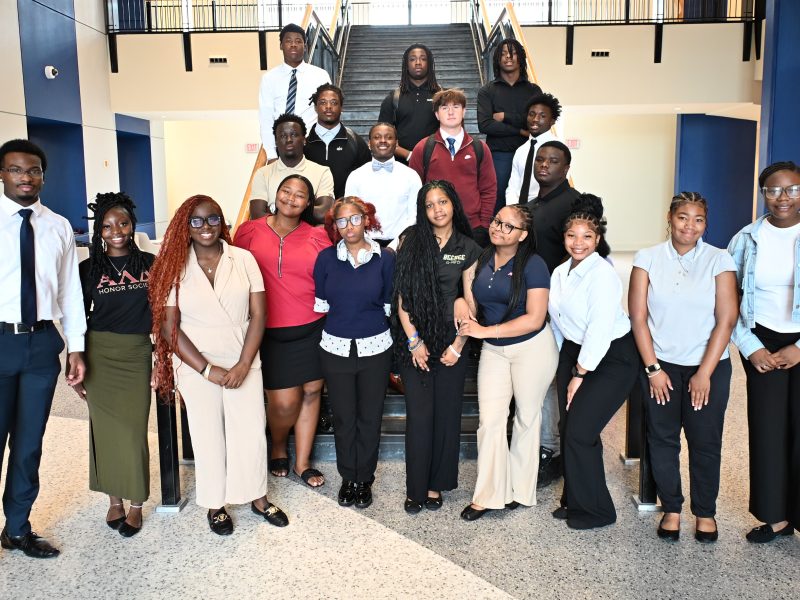
PHOTOS: Albany State Summer Success Academy
Photos by Reginald Christian, Albany State University

Albany gas prices among Georgia’s lowest as summer fuel costs decline
According to AAA, the average price for a gallon of regular gasoline in the Albany metro area was approximately $3.45 this week, making Albany the second-least expensive metro market in Georgia behind Dalton at $3.41 and slightly ahead of Brunswick at $3.48.
