
Managing the Eastern Lubber grasshopper: aka the ‘Georgia Thumper’
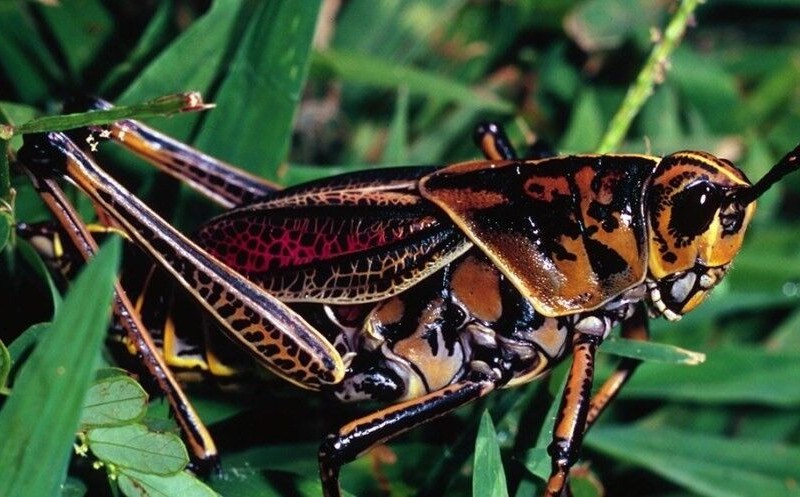
Special Photo
By James Morgan
Special to The Albany Herald
ALBANY — My first encounter with this local creature came during the spring of 2005. It was just another routine site visit … or so I thought.
I pulled into the homeowner’s driveway and saw a lady waiting on the sidewalk to greet me. I got out of my truck, and we started to walk toward each other. As I got closer, I noticed that she had a grasshopper on her blouse. It was huge and did not seem to bother her.
I asked if she knew that there was this “wicked’ grasshopper on her. Up until this point in my life, I had only seen green grasshoppers about a fourth of the size of the one that she was “wearing.” I tried to remain calm and appear professional as I conducted the site visit. She seemed surprised that I had never heard of the unofficial insect for the state of Georgia. I explained that I hadn’t been living here long. She explained that at that size, it’s good to let the grandkids stomp on them.
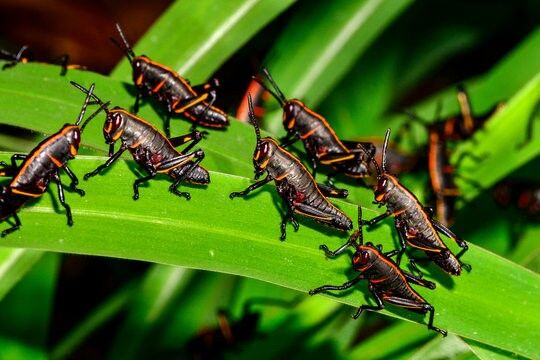
As the weather warms up and people are starting to work in the yard more, I am getting calls and pictures of these small grasshoppers all over their daylilies and amaryllises. You may have spotted some small black grasshoppers with one or more orange, yellow or red stripes on their front legs, and down the middle of their body.
These are young lubbers, or as we locals call them, “Georgia Thumpers.” These nymphs will molt five times, increasing in size and go through subtle changes before reaching adulthood. That transformation is a little less than a ½-inch to about 1¾-inches when they reach full adulthood.
Not only is this large, heavy-bodied grasshopper unable to fly, but it is poor at leaping as well, so mostly it is observed walking. As they increase in size, with their ability to tolerate natural toxins associated with food plants, they often prove difficult to kill, especially by spraying the foliage. At that point, let the stomping begin.
When in the nymph stage, these lubbers climb readily, and because they tend to travel in groups, they can completely strip the foliage from plants. They will eat irregular holes in a leaf, then move on to the next leaf or plant.
Removing them by hand when there are only a few has proven successful. When there are too many to be controlled by hand picking, insecticides can be effective. Apply pesticides like carbaryl, bifenthrin or permethrin directly to the foliage or the grasshopper. Read the pesticide label and apply according to label rate.
Contact your local extension office for more information on controlling pest in the landscape: 1-800-ASK-UGA1.
Author

Related Articles
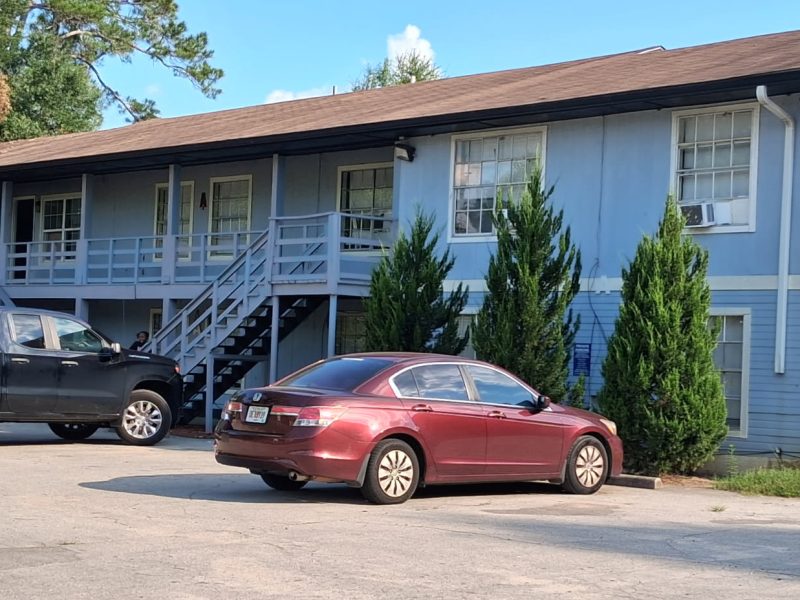
Tenants in Albany apartments face eviction
Residents at Cornerstone apartments, located at 608 Moultrie Road, said that eviction notices were placed on the doors of all of the units this week, giving them three days to pay two months’ rent or face being removed in three days. Tenants said they were confused to whom rent should be paid and are frustrated by the living conditions at the complex that is more than 50 years old.

The women remembered beneath the stars and stripes
In observance of Flag Day, chapter members will place flags at the graves of former DAR members, where they will remain through Independence Day as the nation continues preparations for the 250th anniversary of the signing of the Declaration of Independence. The tradition reflects the organization’s longstanding commitment to historic preservation, education and patriotism.
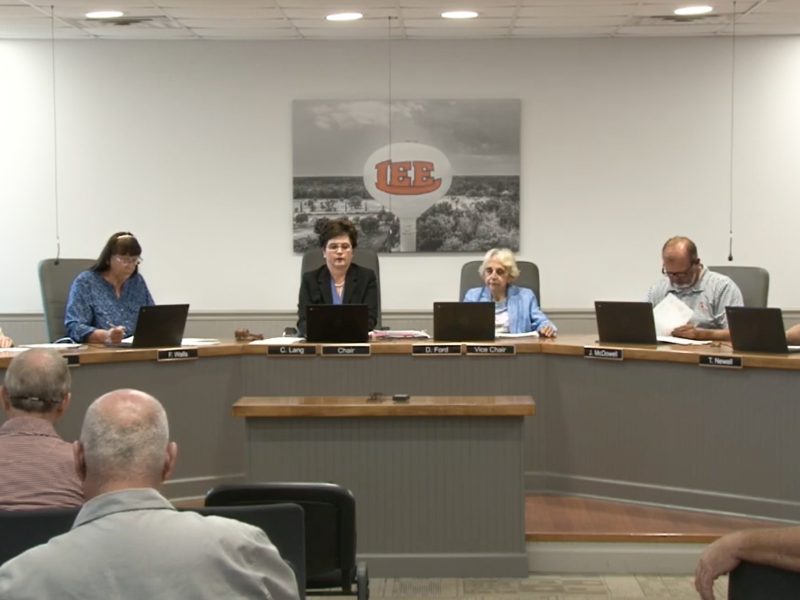
Lee schools move forward with taxpayer credits after tax dispute
The board approved two separate actions during its June business meeting. First, members unanimously adopted an amended rollback rate of 13.539 mills provided by the Lee County Board of Tax Assessors. The board then unanimously approved a resolution directing that the difference in revenue generated by the erroneous rollback rate and the amended rollback rate be returned to taxpayers through a credit applied to 2026 property tax bills.

