
Medical personnel concerned about use of animal medications, holiday gatherings during COVID surge
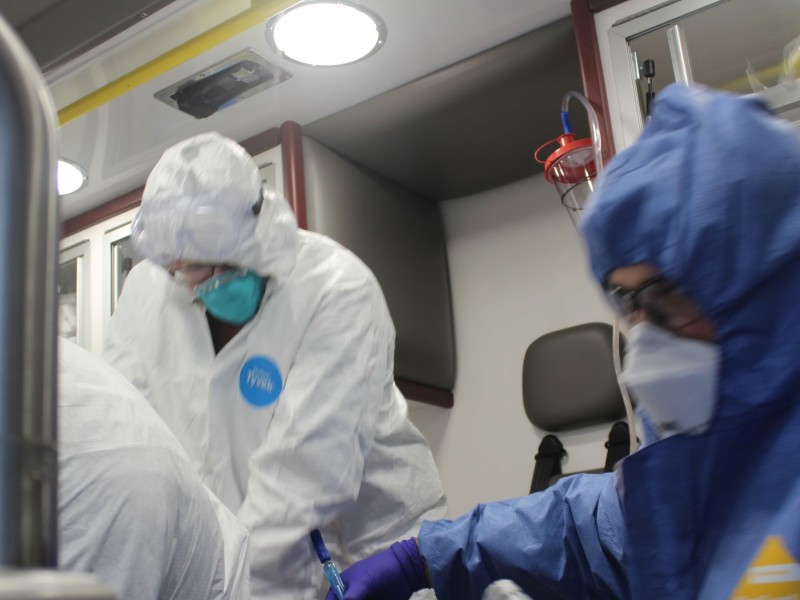
Special Photo
By Alan Mauldin
alan.mauldin
@albanyherald.com
ALBANY — Medical professionals gave advice this week that probably no doctor ever expected they would have to impart in the course of their careers: Don’t take animal deworming products.
Health workers also are concerned about the impact of the Labor Day weekend, as well as the looming holidays that often bring large groups of family and friends together, as they are overwhelmed during the latest surge of COVID-19.
Along with the spike in novel coronavirus cases, the country has experienced another spike in people using medications meant for horses and pigs as a treatment or supposed cure for the disease.
In some states there has been a run on products containing Ivermectin, with doctors reporting this week that emergency rooms in rural Oklahoma hospitals are backed up with those patients. Poison control centers also have been inundated with calls from individuals who have exhibited little horse sense by taking medications made for massive equines, not humans.
“This is fake news,” Lakhanpal said of the medication’s effectiveness in preventing or curing COVID-19. “For whatever reason, it has become the hot topic of a potential treatment for COVID. It is not.”
Phoebe Putney Memorial Hospital is offering monoclonal antibody transfusion treatment, and is gearing up to treat more patients, but horse pills aren’t among the treatment options for patients.
“As we continue to battle COVID, we don’t need the added challenge of treating people who have unintentionally harmed themselves by taking medications that clearly have warnings against their use for COVID-19,” Dr. Dianna Grant, the chief medical officer for the Phoebe Putney Health System, said.
“This pandemic continues to present opportunities to improve our care plans, and our care teams constantly research and perform due diligence to ensure those plans are safe and effective. We must be responsible in our actions.”
While some area physicians have prescribed Ivermectin for COVID patients, Grant said, the drug is not authorized for treating the disease, and research has not demonstrated that it is effective for treating it.
“At Phoebe, we will continue to follow science and high-quality evidence, and we will not prescribe Ivermectin for treatment of COVID, unless ongoing or future research shows different results than past studies,” she said.
Another concern is how the holiday season will impact a stretched medical community.
“I’m scared for what will happen during the holidays,” Dougherty County Emergency Medical Services Director Sam Allen said.
Previous holidays have been followed by a spike in transporting patients to the hospital, he said, and the big holidays at the end of the year drove a huge surge in late 2020 and early 2021.
We don’t know what the situation will be like in our community this fall and winter, but we do know we have seen previous COVID surges we believe were a direct result of holiday gatherings,” Phoebe President and CEO Scott Steiner said. “We remain concerned about potential future surges, especially if we also see a spike in flu transmission at the same time.
“That’s why it’s so important to increase our vaccination rate right now, so the community will have greater protection against another surge before the holiday season.”
Author

Related Articles

Albany Herald – July 18, 2026
Georgia Trust for Local News partners with… Adult leadership group spreads concept to… Lee County homeowners have until Aug. 1 to claim…

Classifieds – July 18, 2026
Classifieds; Legals;

Albany police make arrests in murder, robbery cases
Officials with the Albany Police Department have announced a number of arrests in cases that involved a homicide and a pair of thefts.
