
‘My War’ gives firsthand account of war in Iraq
Colby Buzzell’s 2005 book, “My War: Killing Time in Iraq,” was well received. Promoted by Kurt Vonnegut and praised by Kirkus Reviews, this 354-page book was written by a soldier who deployed for a year in Iraq and features a cover with a play on words that will not be lost on a reader, if he or she reads top to bottom and left to right.
The book chronicles the author’s post-high school life through the end of his military career.
Part one relates his lack of direction with no sense of purpose in life. He has a string of jobs, lives frequently at home and listens to heavy metal bands. Then he meets an Army recruiter. Part one ends after his basic training. It includes a mini essay named “Dear Diary,” which underscores Buzzell’s long-term interest in maintaining a diary, thus the root of the story.
Part two denotes his experiences in the autumn of 2003, including his unit’s travel to Mosul to replace the 101st Airborne Division at Forward Operation Base Marez. This second part of the book is important to readers, because it contains many of the military terms/abbreviations and definitions that will be used throughout the book. For example, he writes, “We rolled out at 1600 for our first combat mission-a TCP (traffic-control point). . .” The entire book is highly readable but would benefit from a glossary.
Part three is the most interesting and the reason the book was written. This part is when he takes his diary skills to a new level and goes public. He starts blogging under the moniker “CBFTW.” His first post was June 22, 2004, but after a number of months his squad leader (and others?) had connected him to “CBFTW.”
The attention his blogging attracted from the military and other readers steadily increases. His blog on Aug. 5, 2004, titled “Men in Black,” began as a rant against the CNN Web site article of Aug. 4, 2004, titled “Mosul Clashes Leave 12 Dead.”
His complaints included the article’s lack of facts regarding any U.S. involvement in the engagement and the late response of the Iraq National Guard (which showed up 4 hours after the engagement began). The article did not mention U.S. involvement or U.S. casualties — he quoted the CNN article.
This blog, as would be expected, did get the attention of the Army. By mid-August, and a few blogs later, the Army confines him to his base, but does not order Buzzell to shut down the Web site. He is however, under orders to get everything approved before posting.
Part four finds Buzzell off for his mid-tour leave. He is still blogging, but under more pressure to stop. Eventually, he shuts the site down. The last part includes an entry of an earlier interview he had with his interpreter, who was believed to have been murdered for helping the Americans. This part contains details of the remainder of his tour and his return to the states as a civilian.
This book is great if you want to find out firsthand, what was going on Iraq, or if you think, you may like to join the Army. I recommend this book regardless of your opinion on the Iraq war.
David Fry is the electronic resource librarian at Darton College in Albany.
Related Articles
Albany Rescue Mission in recovery but still can use some help
“We can’t do this without the community. We are so grateful for the willing vessels. We just can’t thank them enough. We also appreciate the other ministries that have sown seeds into our ministry.”
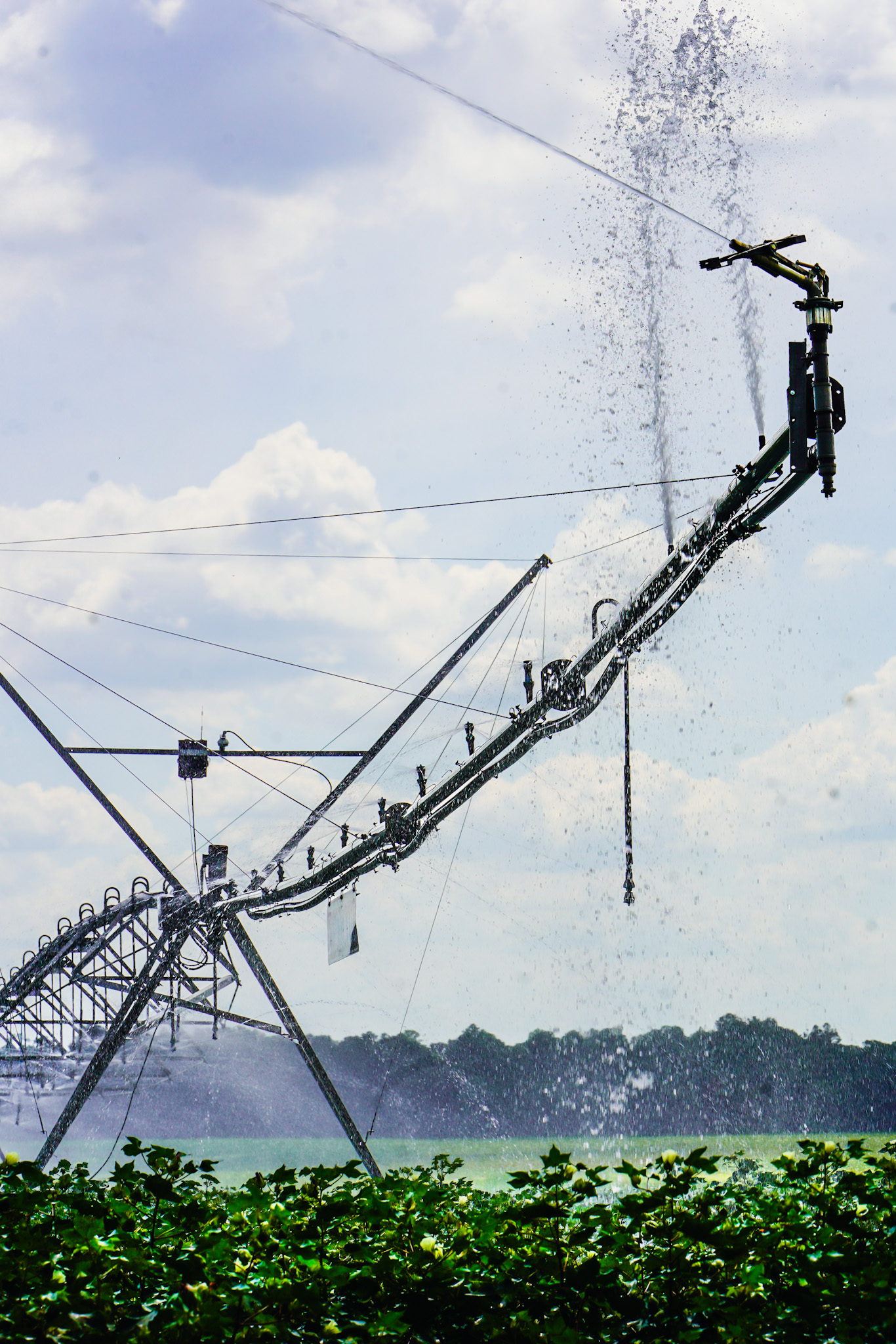
Plenty of oil, not enough diesel — and southwest Georgia farmers are paying for it
Sedrick Rowe doesn’t spray herbicides on his 10 acres of organic peanuts. He fights weeds with his tractor instead, which means he runs it more often than most farmers — and burns at least 30 gallons of diesel on a typical day. This harvest season, every one of those gallons costs more than it has at any point on record.
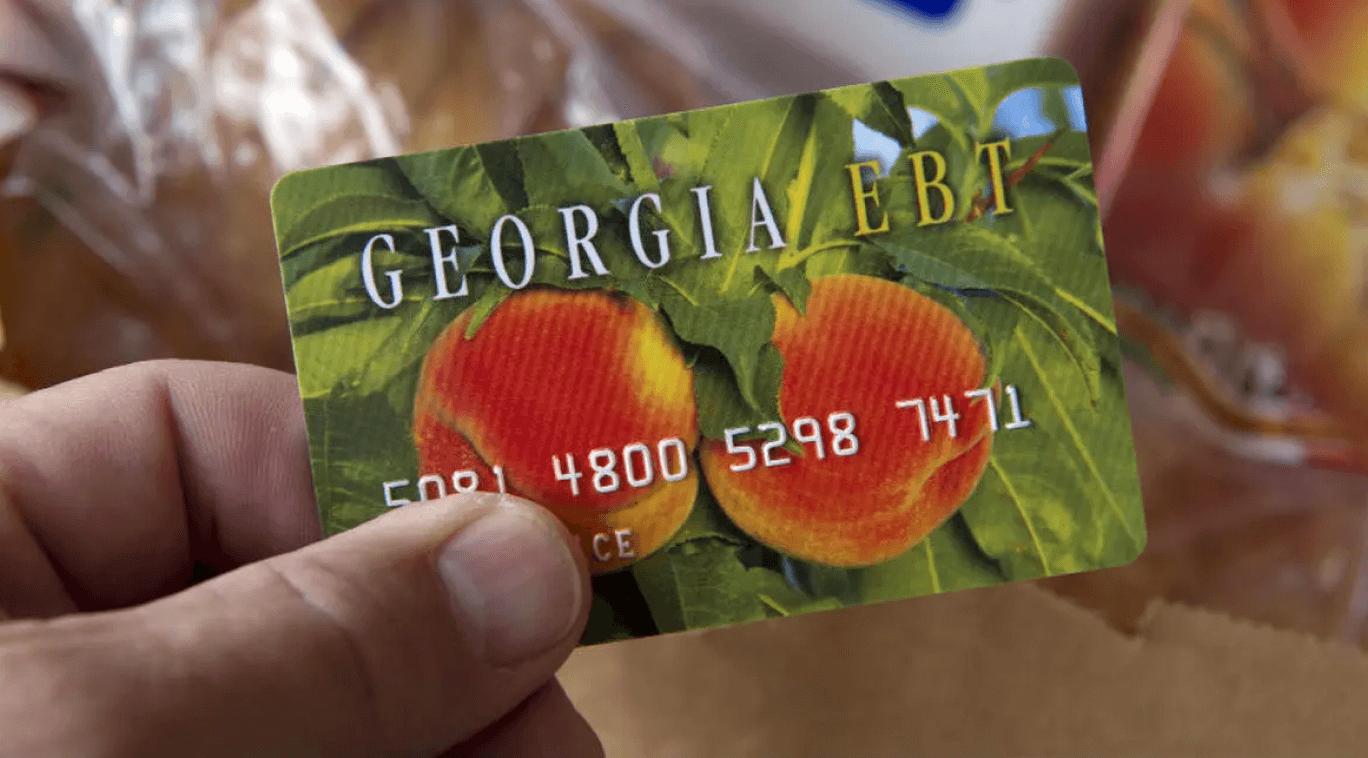
Dougherty schools plan task force as SNAP changes raise concern over free meals
The Dougherty County School System plans to create a task force to help families retain food assistance and navigate new reporting requirements as district officials warn that declining SNAP participation could eventually affect the federal provision that allows every student to eat free at school.
