
WILL THAULT: Norman Rockwell’s ‘Four Freedoms’
Norman Rockwell’s ‘Four Freedoms’
Illustrations by Norman Rockwell, reprinted with permission
By Will Thault
[email protected]
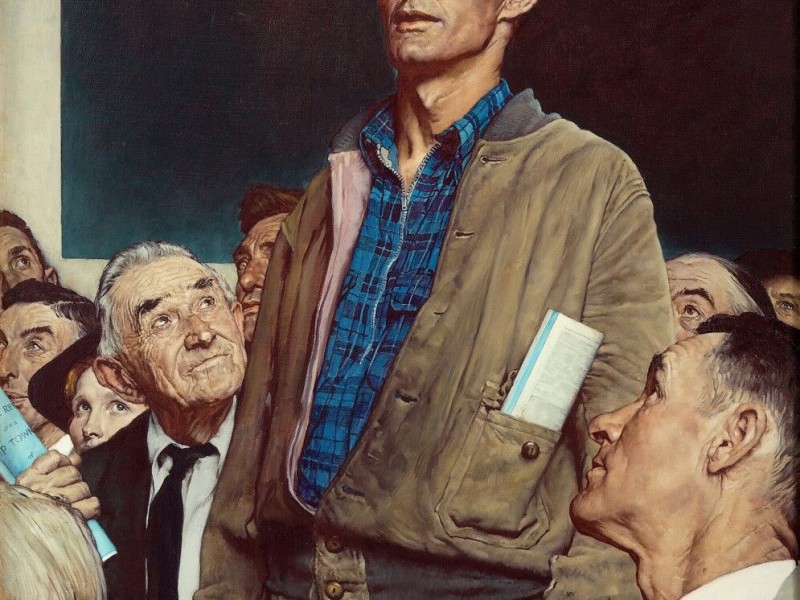
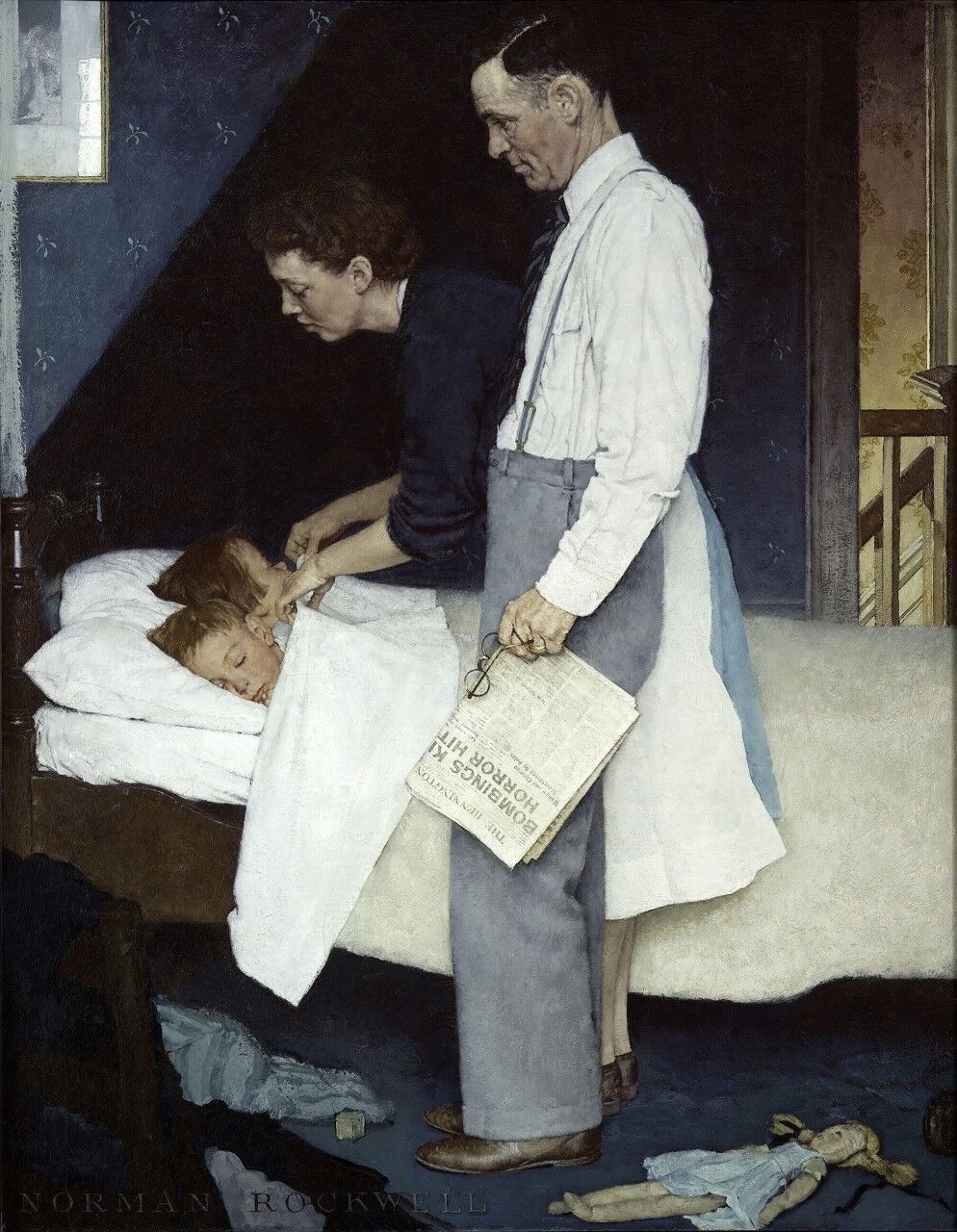
ALBANY — As Freedom Month comes to a close, it seems fitting to showcase Norman Rockwell’s “Four Freedoms” series.
President Franklin D. Roosevelt’s Four Freedoms speech before the U.S. Congress in early 1941 — just 11 months before Pearl Harbor — was first met with very little public reaction. But, thanks to a famously talented illustrator, Norman Rockwell took the abstract ideas that FDR outlined and galvanized the message into images anyone could instantly comprehend. Rockwell’s series became a classic example of “a picture being worth a thousand words.”
Those iconic portrayals didn’t come easy for Rockwell.
“It was so darned high-blown,” he said, “Somehow I couldn’t get my mind around it.”
Inspiration came by chance. He was attending a nearby town hall meeting one night and watched as a man rose to speak an unpopular view. That’s when it hit him. Why not frame his series in the familiar settings of everyday life, adding hyper-realism in his art to dramatize the message?
He first took sketches of his ideas to the Office of War Information, thinking the finished artwork could be made into propaganda posters. Much to his surprise, they turned him down due to lack of funds. Disheartened, but determined, he took his sketches to The Saturday Evening Post. No stranger to the magazine’s front covers for more than 20 years up until that time, its editors immediately saw the potential and commissioned him to finish the work. Seven months later, the series ran in four consecutive issues of the magazine in 1943.
The paintings proved to be such a phenomenal success for the Post that the U.S. Department of Treasury took the originals on a War Bonds tour and raised more than $132 million (more than $2.6 billion in today’s dollars) toward the war effort.
Some may discount the art as naïve or outdated, but they miss the point. Rockwell’s interpretation of Roosevelt’s Four Freedoms speech captured a nation’s imagination. It was the perfect representation of our ideals, during that wartime era and, one might argue, even today. These unforgettable images remain indelibly etched into the collective hopes and minds of Americans.
The Norman Rockwell Museum in Stockbridge, Mass., has generously granted its permission to reproduce these images, which are now part of their permanent collection. For more information about the exhibits and virtual tours, visit their website at www.nrm.org.
Illustrations by Norman Rockwell, reprinted with permissionIllustration by Norman Rockwell, reprinted with permission
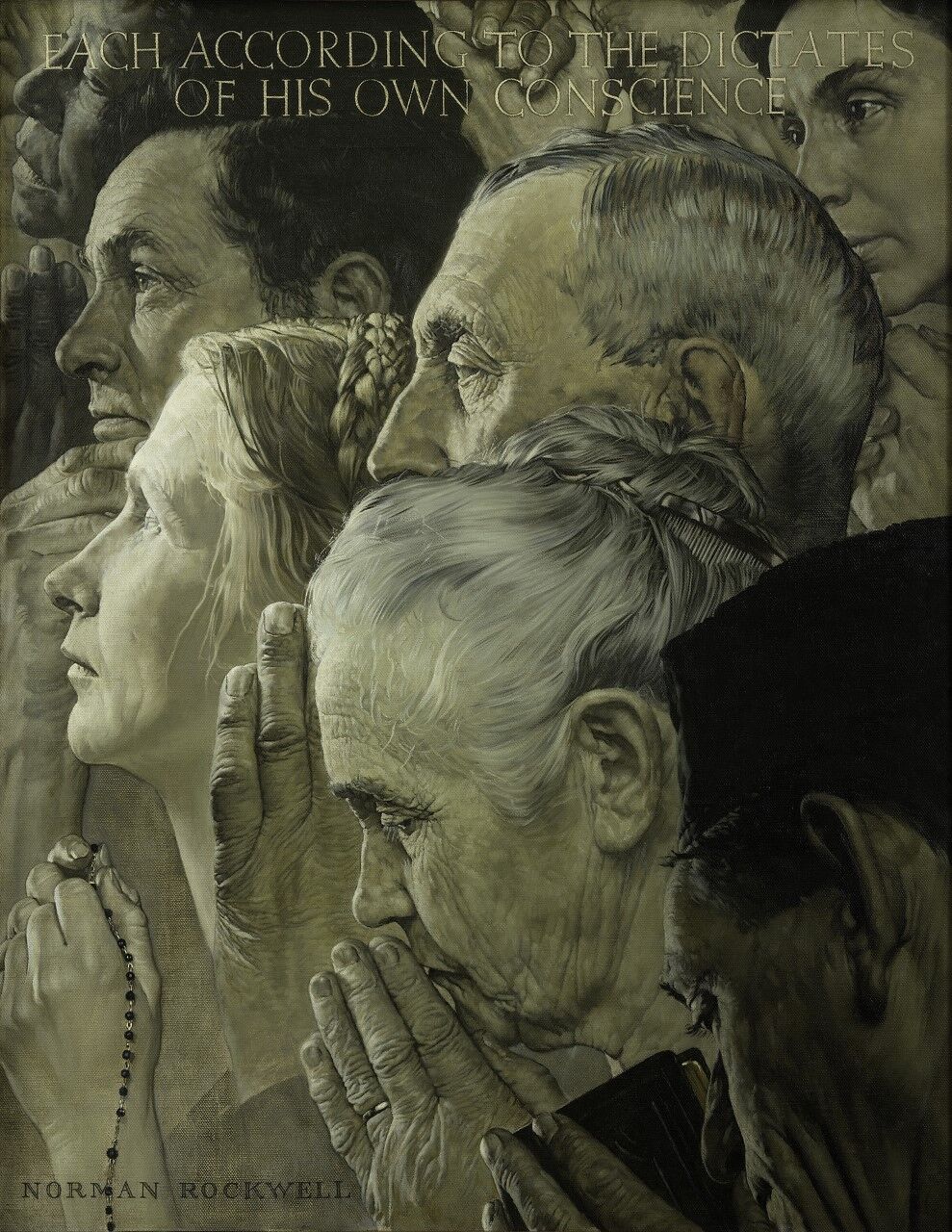
Illustration by Norman Rockwell, reprinted with permission
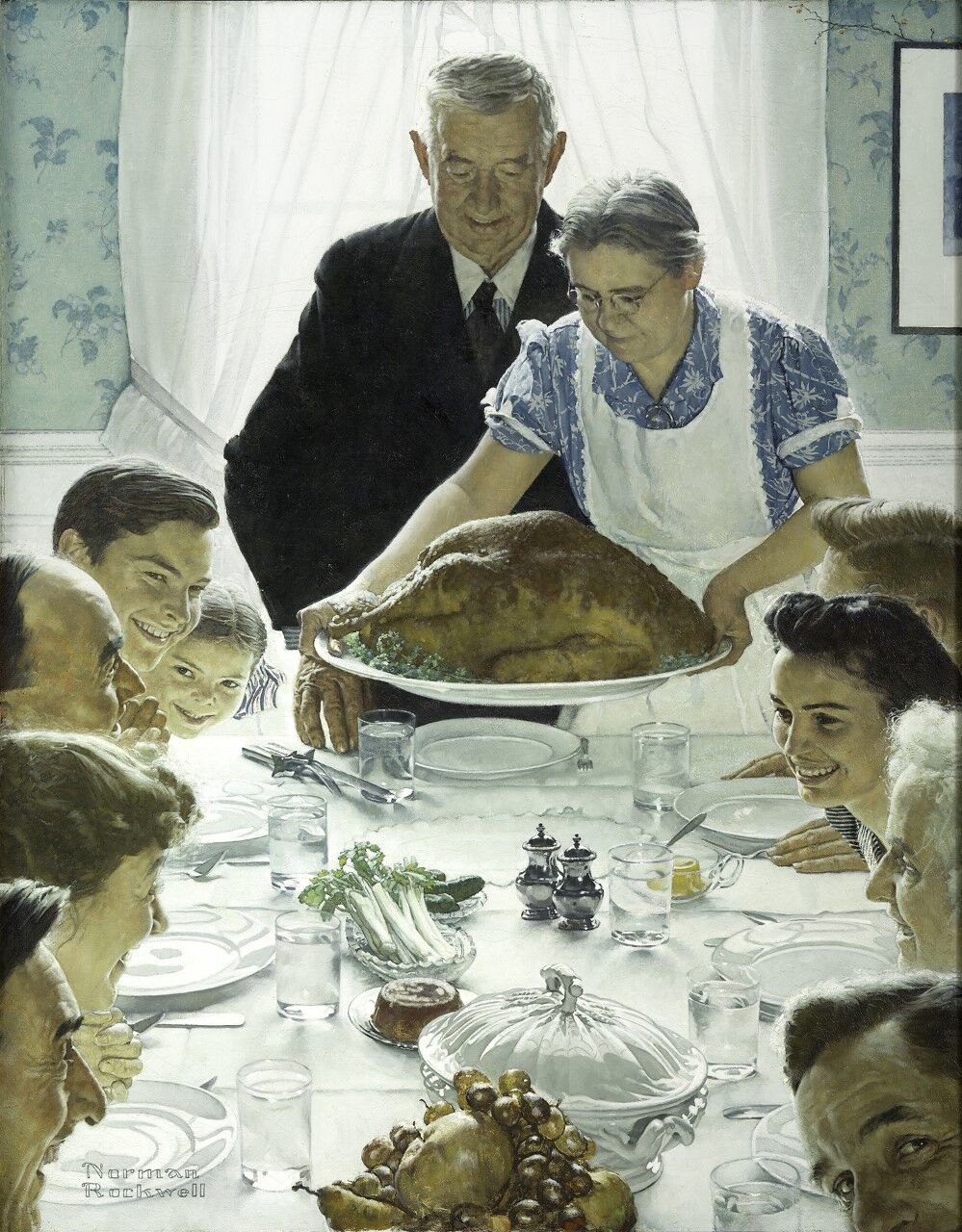
Illustration by Norman Rockwell, reprinted with permission
Will Thault is a retired Albany businessman whose travels have led him to many memorable adventures.
Related Articles
Albany recycling center enacts material separation rule
Mixed items will no longer be accepted at the Albany recycling center at its 2521 Meredyth Drive facility. Individuals will now be required to separate items befor they will be accepted.

Wild Game Dinner marks 34 years as South Georgia Scouting reaches for next generation
More than a century after organized Scouting first took root in Southwest Georgia, local leaders say the program is working to preserve its traditional mission while adapting to a new generation of young people.
Albany City Commission takes action on proposed downtown hotel, two theater renovation projects
“We’re taking the original building back to, hopefully, it’s glory days. One of the cool things about the project is we are going to restore the balcony. It’s going to have a balcony, so it’s going to be super cool.”
