
Outdoors enthusiasts should keep in mind the ‘bear necessities’
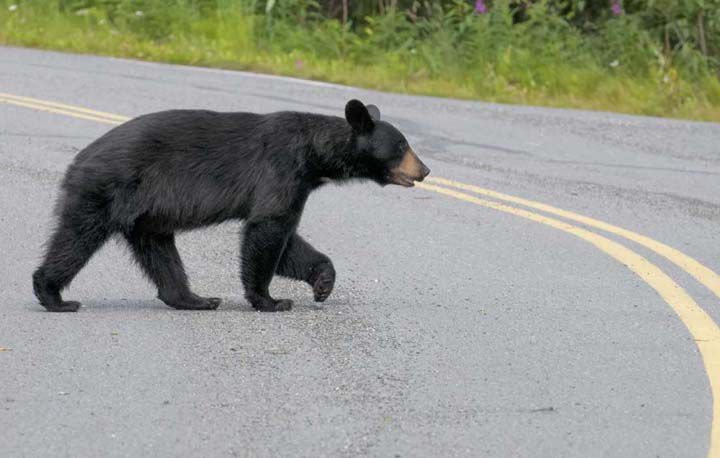
Special Photo: Georgia DNR
By Tom Seegmueller
[email protected]
ALBANY — Like so many other species, the black bear was almost eradicated in Georgia by the 1930s as a result of unregulated hunting and habitat destruction. However, today, due to sound management, the black bear population in the state has been restored to a thriving population of more than 5,000.
And even though the likelihood of stumbling across one in southwest Georgia is slim, the same can’t be said for other areas of Georgia.
When your outdoor endeavors take you to the mountains of north Georgia, the Ocmulgee River or the Okefenokee Swamp, it might be smart for you to become “Bear Wise” at bearwise.org.
“As the state’s bear population continues to grow, it is increasingly important for people to learn how to co-exist with them in a manner that is safe for bears, humans and pets,” officials with the Georgia Department of Natural Resources warn.
Black bears come in a variety of color phases, including brown and cinnamon, sometimes leading people to believe that they have encountered a grizzly bear. Although no grizzly bears are found in Georgia, mature black bears can reach 500 pounds. Add the facts that they can climb trees, swim well and run up to 30 miles per hour, and that’s proof that they should be given a great deal of respect.
Bears are omnivores, surviving on a wide variety of seasonal foods including fruits, berries, acorns, insects and mammals, including deer. However, they are very opportunistic feeders and are attracted to the smells of human food and cooking odors. The easier the food source is, the more likely they are to take advantage of it and return until the food is no longer available. Unlike Yogi the Bear and Boo Boo, they don’t limit their raids to the occasional pic-a-nic basket or camp kitchen. They will gleefully take advantage of ice chests, garbage cans, bird feeders, bee hives and any other food source that isn’t tightly secured.
Although you may not own a home in bear country, your outdoor activities may lead you to rent a cabin or cottage there. With that in mind, some of the following warnings will apply to you as well:
• Never feed or approach bears: Feeding bears (intentionally or unintentionally) trains them to approach homes and people for more food. Bears will defend themselves if a person gets too close, so don’t risk your safety and theirs.
• Secure food, garbage and recycling: Food and food odors attract bears, so don’t reward them with easily available food or garbage.
• Remove bird feeders when bears are active: Birdseed and other grains have a high calorie content making them very attractive to bears. The best way to avoid conflicts with bears is to remove feeders.
• Never leave pet food outdoors: Feed outdoor pets portion sizes that will be completely eaten during each meal and then remove leftover food and food bowl. Securely store these foods so nothing is available to bears.
• Clean and store grills: After you use an outdoor grill, clean it thoroughly and make sure that all grease and fat is removed. Store cleaned grills and smokers in a secure area that keeps bears out.
Alert neighbors to bear activity: Share news with your friends and neighbors about recent bear activity and how to avoid bear conflicts. Bears have adapted to living near people; are you willing to adapt to living near bears?
If you have dogs and plan on taking them into bear country, you need to understand that bears do not enjoy being barked at or chased. In most of these instances, the flight-or-fight instinct kicks in with the choice frequently being fight, as the bear is the larger animal.
The key to successfully co-existing with bears is focused on avoiding contact. Stay alert, and avoid walking at dawn or dusk where bears are known to be active. Carry bear spray and know how to use it.
Author

Related Articles

Months of unresolved records requests leave Dawson taxpayer questions unanswered
The City of Dawson will move ahead with its fiscal year 2027 budget before completing external audits that remain unfinished, city officials told The Dawson News on July 31 — more than three months after the newspaper began requesting the financial records behind the city’s decisions.
Dawson’s $10.2 million sewer project leaves major financial questions unresolved
As Dawson’s finance director resigns and operating pressures mount, records show $10.2 million in sewer funding, frozen loans, missing audits and gaps in the public accounting of project money.

Jail HVAC work divides Dougherty County Commission
Dougherty County commissioners deadlocked in two 3-3 votes, with one commissioner abstaining in each, related to work on the heating, ventilation and air-conditioning system at the Dougherty County Jail on Monday. The issue has divided commissioners for months.
