
Pelham farmers turn hardship into a regenerative mission
When serious health problems disrupted April Workman’s career, she and her husband, James, began reconsidering how they earned a living, raised their family and cared for their farm.
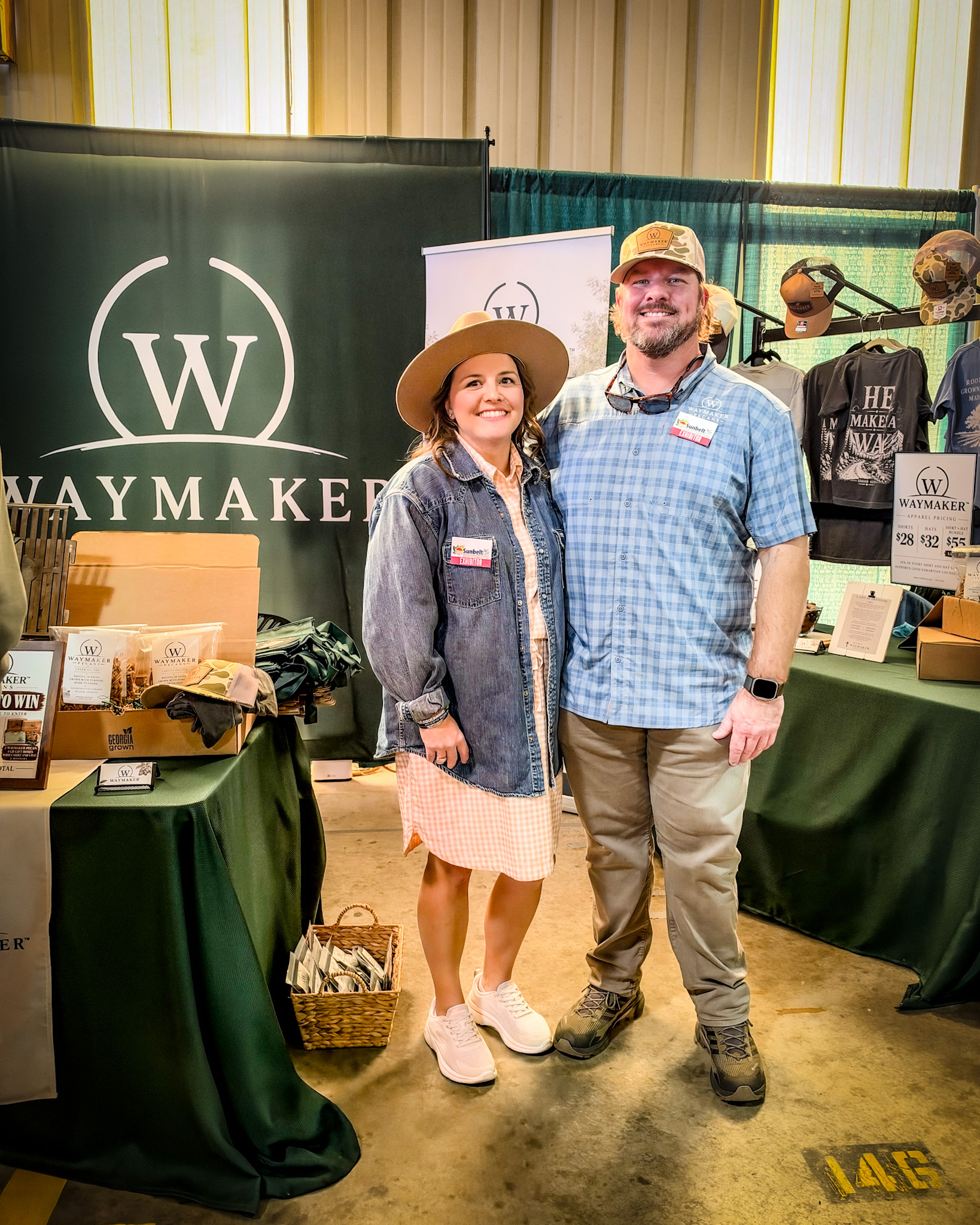
MOULTRIE — When serious health problems disrupted April Workman’s career, she and her husband, James, began reconsidering how they earned a living, raised their family and cared for their farm.
Part of their answer lay in materials already familiar to southwest Georgia agriculture: poultry manure and cotton gin waste.
The Pelham couple now turns those byproducts into compost through Waymaker Soil Solutions, using the products on their own farm and selling them to other growers. For James, owner and operator of Waymaker Soil Solutions and Waymaker Pecans, the approach centers on building the soil that supports a crop.
For April, the change also grew out of a deeply personal reassessment.
“We were just rushing out the door, going to all these meetings, doing all this stuff,” she said during an interview at the Sunbelt Ag Expo here.
Her illness forced them to slow down. April said she experienced severe losses of function, including difficulty walking and speaking. As the couple considered how to replace her income, they began exploring a different approach to farming.
Their Christian faith helped guide those decisions, she said. A trip to Tampico, Ill., connected them with growers whose methods helped shape their own.
The Workmans began poultry farming in 2015. They already had some mature pecan trees, but expanded their investment in pecans in 2021, planting 5,500 trees, April said. Their operation includes 90 acres of pecans.
They initially farmed conventionally. Over roughly two years, James said, they began changing their fertility and crop-protection practices, relying more heavily on compost and an extract made from it.
“We make our own compost now,” April said. “We have poultry houses.”
Their compost combines two parts cotton gin waste with one part poultry manure, according to the company’s product description. They also produce a fertilizer made from composted chicken manure and a liquid compost extract. April said they apply the extract to foliage and through the irrigation system.
The process links the couple’s poultry and pecan operations while creating another product to sell. Materials left from raising chickens and processing cotton become inputs for growing another crop.
That emphasis on recycling nutrients and improving soil is central to regenerative agriculture. University of Georgia researchers describe the approach as building soil health and organic matter while reducing dependence on outside inputs. Practices can include compost applications, cover crops and reduced tillage, with methods adapted to the farm.
USDA’s Natural Resources Conservation Service identifies four principles for soil health: minimizing disturbance, keeping soil covered, increasing biological diversity and maintaining living roots. Such practices can improve nutrient cycling, soil structure and water infiltration.
At Waymaker, James said, the transition involved watching how the trees responded.
He said the farm stopped using liquid nitrogen during the preceding season and reduced fungicide applications. This year, he said, its fertility program relied on composted poultry manure and compost extract, with supplemental zinc added to address a deficiency.
“We did have to add some zinc,” he said. “That was the only deficiency that we had.”
James said monthly tissue analyses helped track the trees’ nutrient levels. He reported that some nutrients increased even when they were not being added individually.
Those observations have encouraged the couple.
The financial question matters alongside the biological one. In a UGA account of regenerative agriculture research, Tifton horticulturist Juan Carlos Díaz-Pérez emphasized that changes must work for both the land and the people earning a living from it.
“The challenge is to demonstrate that you can be sustainable both ecologically and financially,” he said in the university report.
Soil-building practices also have an established place in pecan research. Another recommendation from the UGA Extension is the addition of crimson clover between orchard rows to supply nitrogen and build organic matter. The clover grows while pecan trees are dormant and produces seed in late spring and early summer.
For the Pelham couple, the farm also has become a place to test what they sell.
April said they initially marketed their products to backyard growers. Their own experience with struggling citrus trees helped persuade them to expand the approach across the farm. After applying compost supplied by their Illinois partners, she said, the trees began bearing fruit.
She attributed the improvement to the compost. The experience became part of the couple’s decision to change their practices, rather than proof that the same treatment would produce identical results elsewhere.
The Workmans are experienced farmers, but their shift toward regenerative practices is still new. After gradually reducing conventional inputs, they made a broader change about a year ago, putting soil health at the center of their operation. April traces that turning point to her decision to step away from her work as a clinical pharmacist and administrator to prioritize her health and homeschool their three children.
At their first Sunbelt Ag Expo as exhibitors, the Workmans were sharing a business that had grown from that disruption — one tied to the soil beneath their trees and the livelihood they were rebuilding together.
For the Workmans, the shift ties their faith and family’s health priorities to a more sustainable way of farming. Their own land is where they intend to show what those practices can do.
“We’re going to be our own testimony,” April said.
Rooted in faith, the Workmans say they hope the new growth on their farm will carry a message beyond it — that even after a season of hardship, renewal is possible.
Related Articles
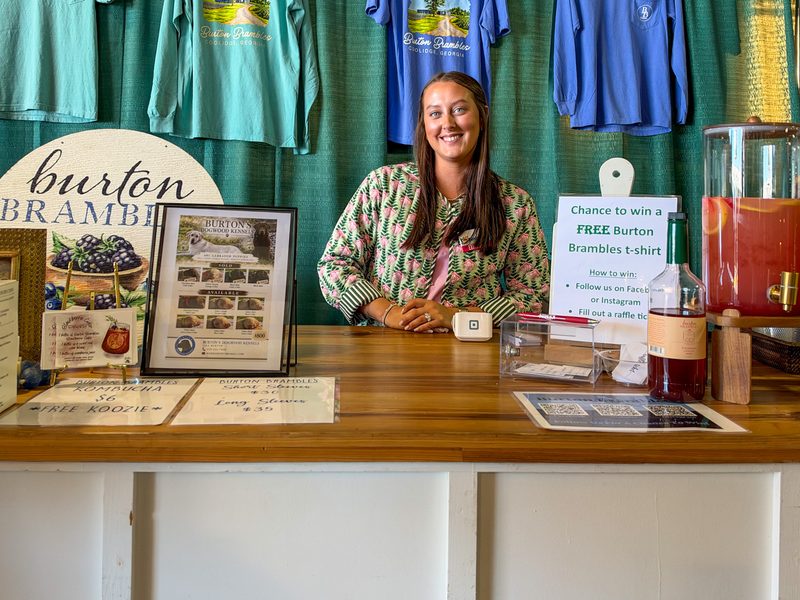
Beyond the bushel: Value-added products give southwest Georgia growers a second paycheck
Across the exhibit halls at Spence Field, farmers and small manufacturers showed how they turn raw crops into finished products. They bottle sauces, box gifts, print shirts, and they find new income and new customers along the way.
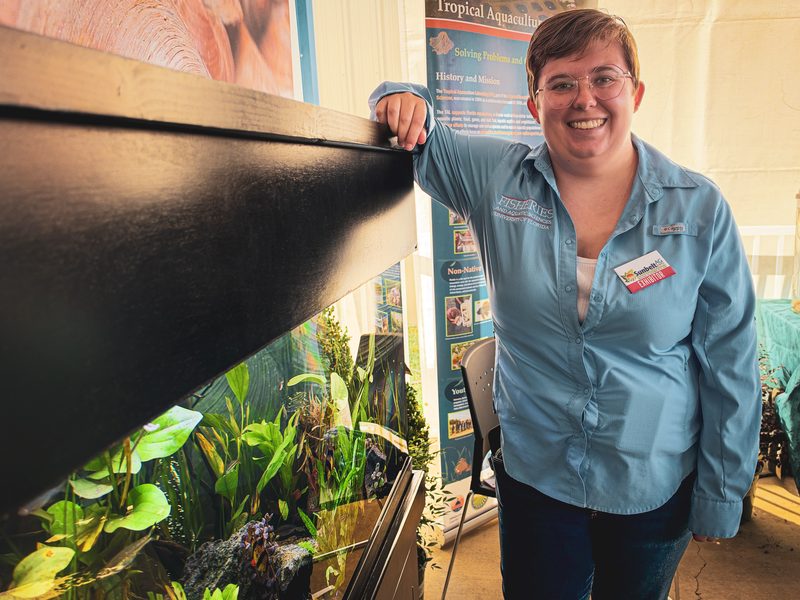
Small fish make big business for Southern farmers
The fish in a University of Florida display at the annual Sunbelt Ag Expo this week were more than technicolor aquarium pets. They are farm products, representing a multimillion-dollar industry that depends on breeding, feeding and keeping some very small livestock alive.

Land bank’s deadline to reclaim blighted Radium Springs house expires
A house sold by the Albany-Dougherty Land Bank near the Radium Springs fishing pond remains unrepaired, but the deadline to reclaim it under the deed has expired, commissioners were told Monday.
