
Phoebe vs. COVID: Nurses lead charge in treating patients

Staff Photo: Carlton Fletcher
By Carlton Fletcher
[email protected]
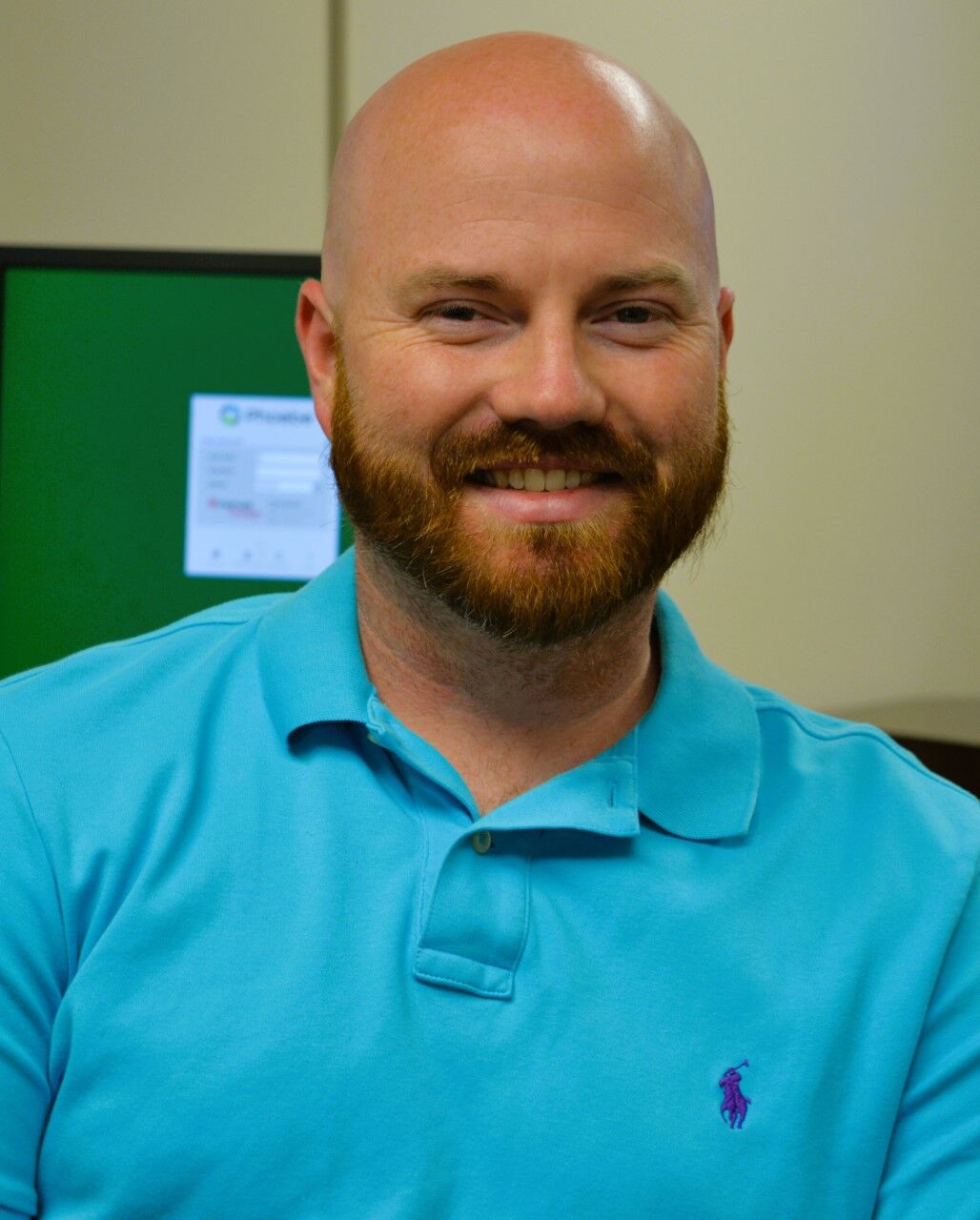
ALBANY — Like most who worked on the front lines at Phoebe Putney Memorial Hospital during the onset of the COVID-19 pandemic, ICU Nurse Shawn Hall admits there was always an underlying amount of fear.
But, Hall notes, there was something that kept nurses, physicians and staff at the hospital going.
“There are those who feared for their safety … we all did to a degree,” Hall said as he and fellow ICU Nurse Cody Singletary talked about the hospital’s response to the pandemic. “But we were willing to do what we were trained to do.”
Hall, who has been a nurse at Phoebe for a decade, and Singletary, who has been a permanent part of the Phoebe staff for six months after working for an extended period as a travel nurse, said they were stunned by the rapid spread of the virus.
“In two weeks time, we were overrun at Phoebe,” Hall said. “We went from hearing about it to living it.”
Singletary said he, too, saw an immediate increase in COVID patients as he worked at some 15-20 facilities before signing a permanent contract at Phoebe, the first assignment on his travel itinerary.
“I was working at a hospital in Los Angeles when COVID hit,” he said. “On March 7, we had one patient. By the end of the second week we had 67.”
Hall remembers the treatment of an individual he calls “Patient 0” at Phoebe, the man who is thought to have been the agent of the wide spread of the virus in southwest Georgia, leading to the area becoming the third-worst COVID “hot spot” in the world.
“It couldn’t have been worse,” he said. “We did so many things wrong; of course, that was because we had no idea how to deal with COVID at that time.
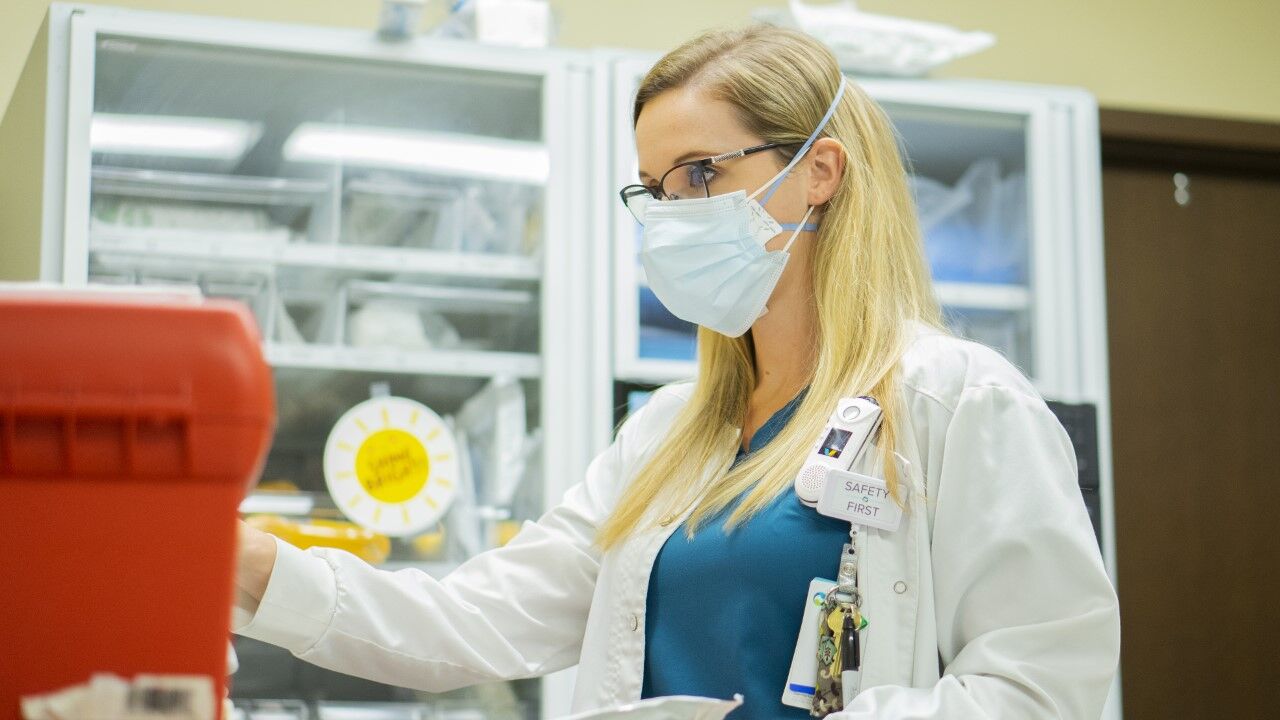
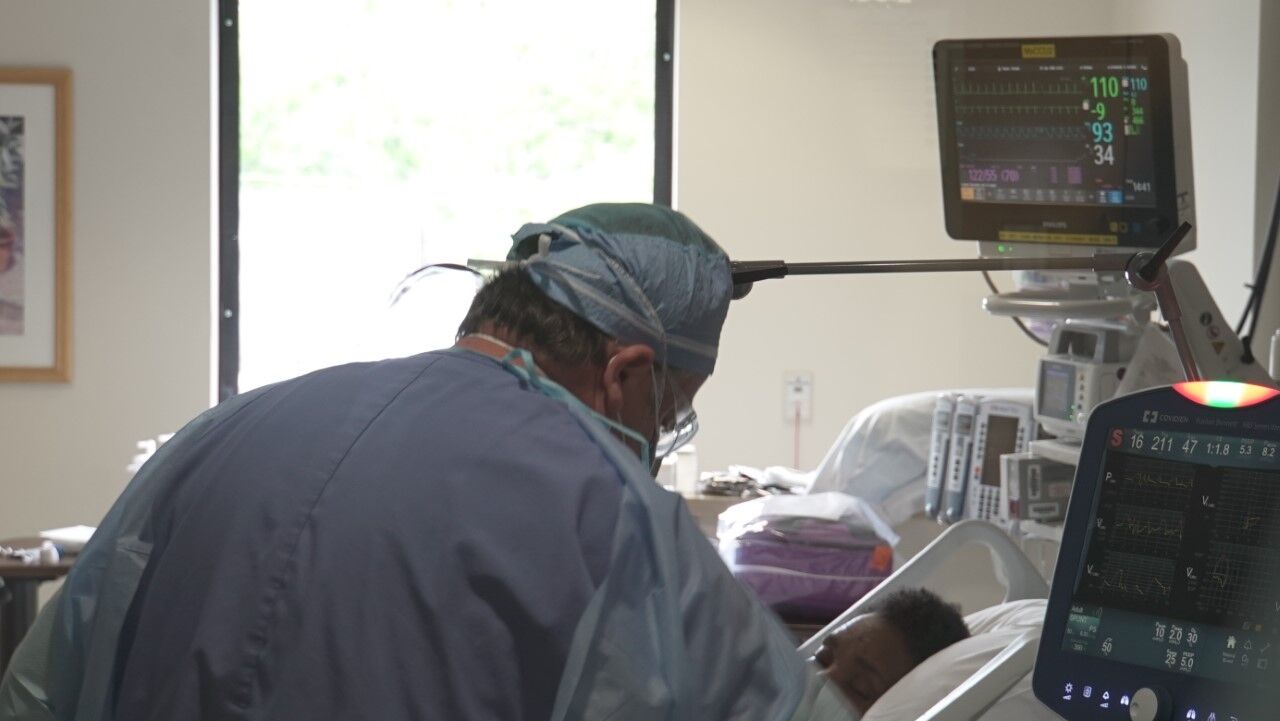
“The patient was in a room with no negative pressure, there were no windows and (health care workers) were taking no precautions. But we quickly learned, and from that point on we put on head covers, eye protection, two masks, a gown, foot covering — the entire process — every time we went into a room.”
Singletary said his experiences were similar.
“At first, there was no real idea of what was going on,” he said. “We were looking for any solution, throwing everything against the wall to see what would stick.
“It was surreal: There was a woman who came into the emergency room one day, talking on the phone and apparently pretty healthy. The next day she was dead. Everywhere throughout the country where we worked, the stories were the same. The atmosphere was constantly intense.”
Both Hall and Singletary said the things they saw while treating patients left indelible marks on them.
“There was a 29-year-old lady who came in (at Phoebe),” Hall said. “She was a little overweight, but otherwise completely healthy. But the virus took her out. I guess the worst, saddest thing I saw during the pandemic was (Phoebe Chaplain) Will Runyon coming into the Intensive Care Unit on the phone, carrying on Facetime conversations with the wife of one of our patients. He asked, ‘Are you ready?’ turned the camera on his phone around, and the woman watched her husband pass away.”
“I had a level of fear, but it was not for myself. There was the fear of taking COVID home to my family. My mom is a COPD sufferer, so I basically didn’t see her or my grandmother for two years.”
After his initial stint at Phoebe, Singletary and his wife, also a travel nurse, provided care across the country (to LA) but worked much of the time in their native south Georgia: Bainbridge, Columbus, Americus.
“As the pandemic slowed down, it was harder to find positions,” he said. “My wife had just had our second kid, and it became stressful with me having no job. I’d met Shawn when I first did travel work at Phoebe, and he told me there was an opening here. I signed a full-time contract 17 months ago.
“I’d started traveling in 2016, and at first it was cool to go to so many different places, plus the money was an incentive. But I was really glad to get the position at Phoebe, where I’d already made friends.”
Hall praised Phoebe’s management for its efforts to provide any items needed by medical staff.
“This place, Phoebe, it’s special,” he said. “The board, upper management, they showed us from the beginning that they were going to invest in staff, in the community. There was constant outreach to staff, and when we became overwhelmed by the workload, they paid 10 times the going rate to bring people in here. When the N-95 masks went from 20 cents apiece to $8.95, they didn’t balk. They got us what we needed.
“Because they stood behind us, we did what we knew we were capable of doing. We were forced to acclimate, and we were stretched to the limit, but we learned on the fly. i can’t sing the praises enough of what this hospital did.”
Author

Related Articles
Albany Herald – June 20, 2026
City Albany faces shortfall for police… Women’s Anchorage tentatively set to… Commissioner, school leaders clash over…

Classifieds – June 20, 2026
ALBANY HERALD CLASSIFIEDS JUNE 20, 2026
Public safety drives Leesburg’s $4.2 million Fiscal Year ’27 budget
The adopted spending plan reflects modest growth in city revenues and continued emphasis on maintaining core municipal services, particularly public safety and sanitation, which together account for a significant share of general fund expenditures.
