
Regular cleaning of bird feeders helps prevent diseases
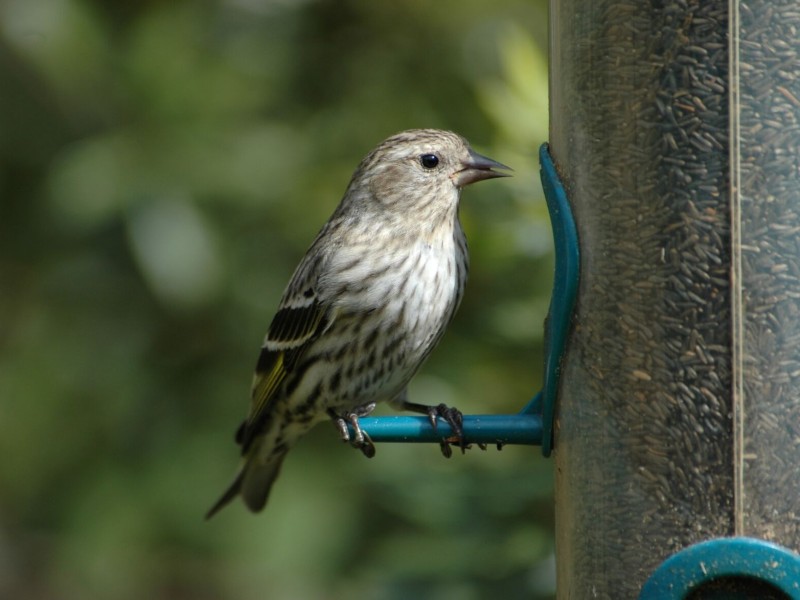
Special Photo: DNR
From staff reports
[email protected]
ALBANY — The Georgia Department of Natural Resources recently released information related to the importance of keeping bird feeders clean in an effort to reduce avian disease. It turns out that birds are at risk to a variety of diseases that can flourish and spread when birds congregate at neglected feeders. These diseases range from conjunctivitis to avian pox.
“A hygienic bird feeder can reduce this risk tremendously,” Todd Schneider a DNR wildlife biologist, said.
Not only is the feeder a source of concern but the area beneath the feeder is as well. Feeding birds scatter uneaten food and their fecal matter creates an unhealthy feeding area below most feeders.
“We see a lot of issues involving salmonella,” Schneider, an ornithologist with DNR’s Wildlife Conservation Section, said. “Salmonellosis and aspergillosis are not unusual among feeder birds.”
Where bird feeders, feedings areas and even birdbaths are concerned, these and other debilitating illnesses can often be prevented with proper, routine hygiene. Schneider recommends the following:
• Clean feeders weekly using a 10% bleach solution — one part bleach to nine parts water — and rinse them thoroughly. After washing, let the feeders dry completely. (Always wear protective gloves while cleaning feeders, feeding areas and bird baths, and wash carefully afterward.)
• Rake up bird seed, hulls and fecal matter beneath feeders two or more times a week. Wear a mask to avoid inhaling fungal spores stirred up by raking.
• If you have multiple feeders, space them out to help limit gatherings of birds. Move feeders regularly. A move even 20 feet away lowers the risk of disease transmission.
• Empty and clean bird baths every two days when bird visitation is heavy. (This also discourages breeding mosquitoes from using the bath water.)
If you notice sick birds at your feeders, Schneider said you can help prevent the spread of disease by taking down the feeders for a week, which will encourage birds to disperse. If the number of sick birds seems high (four or more birds in a brief period) you can report this to Schneider at [email protected]. Do not handle dead birds with your bare hands. For more on bird disease, visit feederwatch.org/learn/sick-birds-and-bird-diseases.
Author

Related Articles

Albany Herald – July 18, 2026
Georgia Trust for Local News partners with… Adult leadership group spreads concept to… Lee County homeowners have until Aug. 1 to claim…

Classifieds – July 18, 2026
Classifieds; Legals;

Albany police make arrests in murder, robbery cases
Officials with the Albany Police Department have announced a number of arrests in cases that involved a homicide and a pair of thefts.
