
Residents frown on tax increase
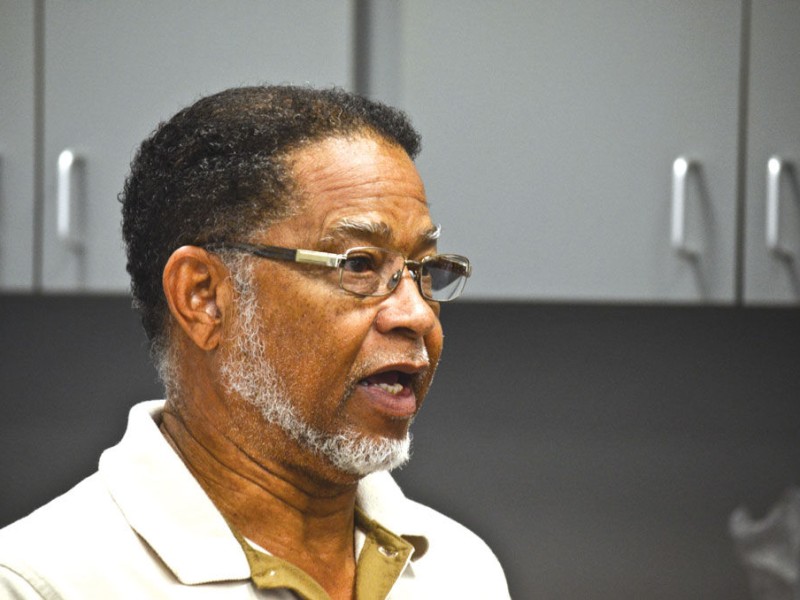
J.D. Sumner
ALBANY — Some city residents took advantage of two public hearings Tuesday to voice their opposition to a planned 1.33-mill property tax increase, arguing the move would hinder economic development opportunities.
The city is required by state law to hold three public hearings before its officials can vote to increase the millage rate. Two of the public hearings were scheduled Tuesday with the third planned before the commission’s night meeting July 24.
Eural Chestang said that a tax increase could increase the speed at which people are fleeing the city, creating a tougher burden for those left behind.
“The population left in the city is dwindling fast. Something needs to be done to lighten the tax burden, not add to it,” Chestang said. “Raising taxes isn’t fair to the ones who are left behind.”
William Wright, the former head of the Albany NAACP chapter, said that taxpayers and commissioners need to ask themselves whether they’re really getting the return-on-investment of their tax dollars that they deserve.
“We have to get more property into the digest to give the property taxpayers some relief,” Wright said. “We spend all of this money and get no real services, so I think we have to ask ourselves if we’re really getting our money’s worth.”
Calling City Manager James Taylor’s plan to raise property taxes by 1.33 mills an example of the city’s “callous indifference” to the plight of its residents, Wright said there needs to be more minority participation in the city’s contracting efforts.
The anti-tax sentiment at the 6 p.m. public hearing was equally as strong.
Geraldine Thrasher asked the commission to be like the majority of the taxpaying public and find a way to live within its means.
“I want to say us taxpayers have to live within a budget. The city should have to do the same thing,” Thrasher said.
Thrasher said that homes are currently valued at more than they can be sold for and that, when it comes to the businesses and residents who provide the tax base, “Y’all are running them out of town.”
Sarah Webster said that her mother was 92, on a fixed income and could neither afford to move nor fund a tax increase.
“I can’t wait to move away from this city again,” she said. “I’m sick of the entitlement mindset that the government at the federal, state and local levels are pushing. I say ‘silent no more.'”
Tami McCoy, a resident of Ward IV, said she’s identified several areas where the city could cut, rather than raise taxes.
“Why do we need two assistant city managers? Why are we funding 311? I get the answers I need just fine when I call the department heads directly,” McCoy said. “I don’t agree with funding the Civil Rights Institute … or why the city continues to employ high-risk employees like Cpl. (Gary) Price.
“Less government is more responsive government in my book.”
Commissioner Bob Langstaff, who presided over the hearings in the absence of Mayor Dorothy Hubbard, who was in the metro Atlanta area Tuesday attending a board of directors meeting of the Municipal Electric Authority of Georgia, said 311 helps take the burden off the city’s emergency call number for non-emergency calls and that it’s being used as people demand better service from the city, county, and Water, Gas & Light.
Langstaff said the concept behind two assistant managers was first suggested following a study done right after former mayor Willie Adams was elected.
Under the current system, the two assistant city managers and Taylor split direct oversight over the city’s 17 departments with Taylor having general day-to-day oversight over all of the departments and the managers.
Langstaff said that he couldn’t speak to the Civil Rights institute question because he voted against funding both it and the Flint RiverQuarium because “I think we need to be pinching pennies.”
And as for the comment about Price, who has been involved in multiple car crashes as a member of the Albany Police Department, including one that killed a passerby, Langstaff said that since the matter dealing with Price would likely be the subject of pending litigation, he wouldn’t be able to render a comment.
Related Articles
Albany Herald – July 18, 2026
Georgia Trust for Local News partners with… Adult leadership group spreads concept to… Lee County homeowners have until Aug. 1 to claim…

Classifieds – July 18, 2026
Classifieds; Legals;

Albany police make arrests in murder, robbery cases
Officials with the Albany Police Department have announced a number of arrests in cases that involved a homicide and a pair of thefts.
