
Rezoning request revives story of Albany nursery linked to early Head Start Movement
During Tuesday’s hearing, city planning staff noted the property “has functioned as a general daycare since the building was constructed in 1966 and has been in harmony with the surrounding residences.”
However, archival references suggest childcare services at the location existed years before the current building was erected. In 1954, the nursery school was directed by Carol Johnson King, a major figure in the Albany Movement and wife of prominent civil rights attorney C. B. King.
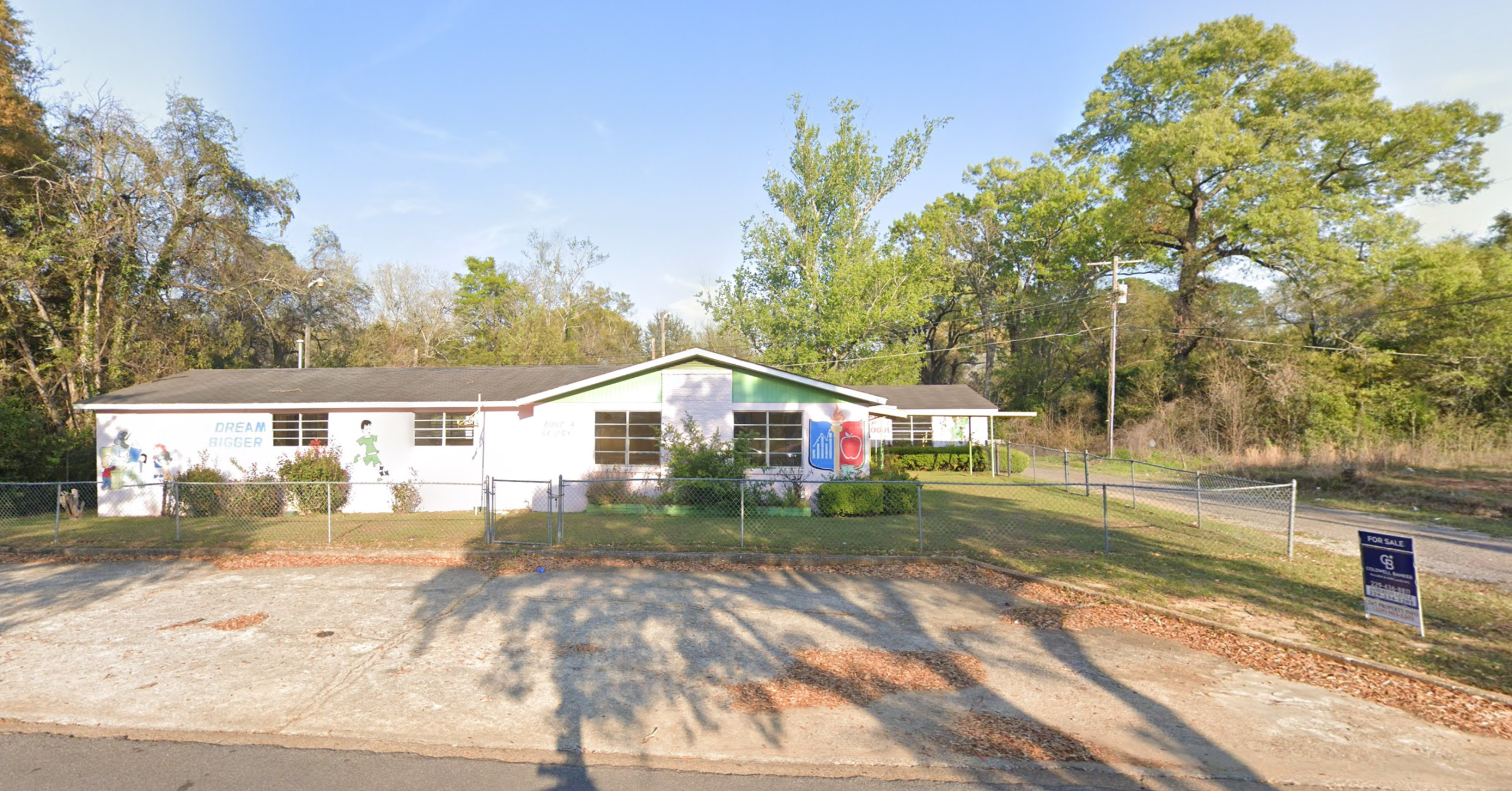
ALBANY — A routine rezoning request before the Albany City Commission this week revealed the little-known civil rights and educational history of a South McKinley Street property that appears tied to one of Albany’s earliest black-led child care institutions and the formative roots of the national Head Start movement.
Commissioners on Tuesday considered a request to rezone the property at 410 S. McKinley St. from R-3 residential to C-5 office institutional/residential so a day care center serving more than 19 children can legally operate at the site once again. City planning staff said the property lost its grandfathered legal status after day care operations ceased for more than a year, making the use nonconforming under current zoning regulations.
But beyond the technical zoning issue lies a history stretching back more than 70 years.
Historical records and civil rights archives indicate the site was home to the Semper Fidelis Nursery School, a black-organized child care center founded by local mothers during the segregation era to provide affordable child care, meals and transportation for African-American children in Albany.
The institution’s roots date to at least the early 1950s, predating the current structure listed in modern property records as being constructed in 1966.
During Tuesday’s hearing, city planning staff noted the property “has functioned as a general day care since the building was constructed in 1966 and has been in harmony with the surrounding residences.”
However, archival references suggest child care services at the location existed years before the current building was erected.
In 1954, the nursery school was directed by Carol Johnson King, a major figure in the Albany Movement and wife of prominent civil rights attorney C.B. King.
As part of Duke University’s “Behind the Veil” oral history project, King recounted in a 1994 interview how she became director of the nursery school and used a station wagon to pick children up from impoverished black communities across Dougherty County.
“The nursery school cost $2 per week, and then to ride in my car cost a dollar per week,” King said in the interview. “So for $3 a week you could get child care.”
King described traveling through some of the county’s poorest black neighborhoods while operating the nursery school, experiences she said profoundly shaped her understanding of poverty and racial inequality in southwest Georgia.
“I was becoming very sensitive to the degree of poverty that there was out there,” King said. “I mean, I was in places like Mac Jones Quarters, Box Bottom, River Road, you name it.”
She remained with the nursery school until 1957.
During that time, King said she raised money for educational supplies by partnering with the nearby Albany Cardinals baseball team, which at the time operated a short distance from the nursery school site.
King said the baseball organization allowed the school to organize Sunday exhibition games where nursery supporters sold tickets and refreshments to raise money for classroom materials.
“And all the proceeds could go to the nursery school,” King recalled.
The fundraising efforts helped the school acquire early childhood educational materials that were otherwise difficult to obtain in segregated southwest Georgia.
“I had been a kindergarten primary education major at Kent State, and so that was my full orientation,” King said in the interview.
Historical accounts describe the Semper Fidelis Nursery School as one of the earliest black-organized and integrated child care efforts in the region.
The work King encountered through the nursery school — including rural poverty, hunger and educational inequality — helped shape later efforts to establish some of the nation’s earliest Head Start programs during the federal War on Poverty in the 1960s.
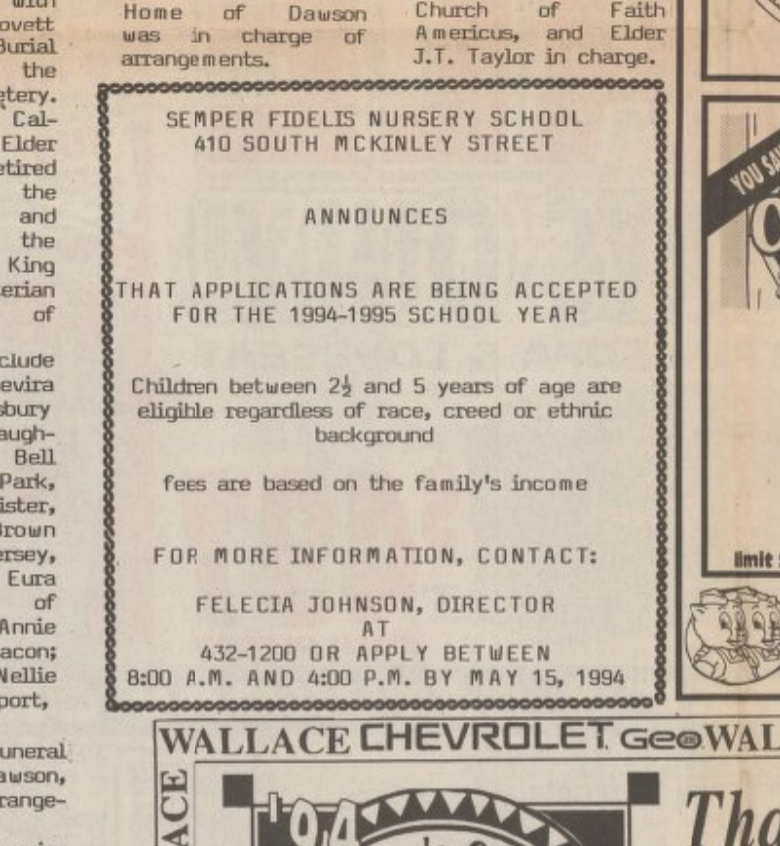
The property’s child care mission appears to have continued for decades under multiple operators and names, including Semper Fidelis Nursery School, Wee Care Day Care Center, Fun Learning Academy and, more recently, I Am Legacy Learning Experience Inc.
Georgia corporate filings show I Am Legacy Learning Experience Inc. registered the McKinley Street address as its principal office in 2019.
The property itself recently changed hands. Real estate records show the approximately 3,575-square-foot facility on 0.64 acres sold April 10, 2026, for $80,000 after previously being marketed as a former day care facility with “endless business potential.”
During Tuesday’s public hearing, commissioners largely focused on zoning compliance and the property’s longstanding compatibility with the surrounding neighborhood.
Planning staff told commissioners the day care had historically operated at the site since the 1960s and recommended approval of the rezoning request.
Commissioner Jon Howard reflected on the neighborhood’s earlier prominence.
“For those that don’t know, 40-some years ago the area was considered as a highfalutin area where you had educators, doctors, lawyers staying there,” Howard said during the meeting. “It was a thriving area 50-some years ago.”
Commissioner Diana Brown asked whether the day care was currently operating.
Planning staff responded that the center was presently closed and the rezoning was necessary “to allow them to legally operate.”
No residents spoke in opposition to the request, and the applicant declined to address the commission publicly.
What emerged during and after the hearing, however, was a broader historical narrative connecting the property not only to decades of childcare service in Albany, but also to black institution-building during segregation and the origins of federally supported early childhood education.
The site now appears to represent one of the few surviving physical links to Albany’s early black child care infrastructure and the civil rights-era educational advocacy that helped shape programs later adopted nationwide.
The commission adjourned the public hearing Tuesday without controversy as the rezoning request moves through the approval process.
Related Articles

Terrell schools CFO exits after six months as district continues financial overhaul
Lowe, who joined Terrell County Schools as finance director in February and was promoted to chief financial officer for the new fiscal year, recently resigned to take a position with the Sumter County School District.
Community effort provides food to 150 families in Terrell County
Raine’s Baptist Church continued its community outreach Wednesday with a free food giveaway at the church, providing groceries to area residents while supplies lasted.

PHOTOS: Albany State University Freshman Induction Ceremony
Several galleries – click the arrow to scroll through the photos.
