
Southwest Georgia wells fall below 2011 drought levels as D4 conditions intensify
A recent update delivered to the Terrell County Board of Commissioners by Seth McAllister, the county’s Extension agent, underscored the severity of the situation, pointing to D4 — or “exceptional drought” — conditions affecting wells across parts of the county, along with early signs of reduced wheat yields.
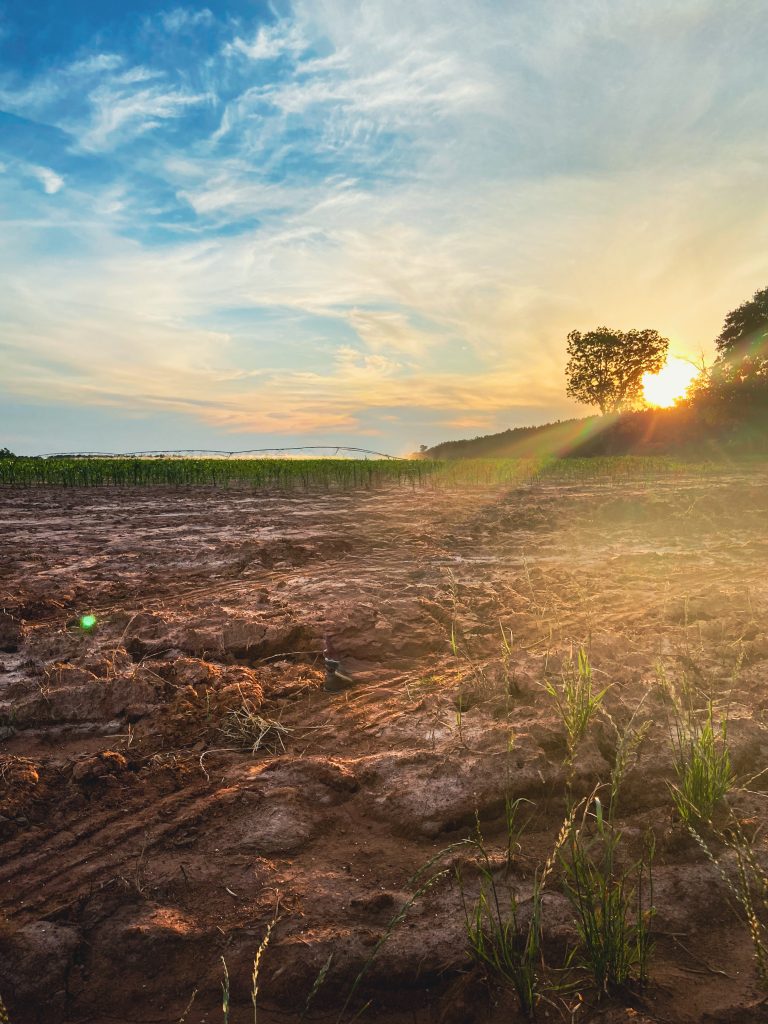
ALBANY — Farmers in southwest Georgia are heading into the 2026 growing season under mounting pressure as extreme drought conditions tighten water availability and begin to show measurable impacts across the region’s primary crops.
A recent update delivered to the Terrell County Board of Commissioners by Seth McAllister, the county’s extension agent, underscored the severity of the situation, pointing to D4 — or “exceptional drought” — conditions affecting wells across parts of the county, along with early signs of reduced wheat yields.
“Unfortunately, if you look at the drought monitor, wells across the southwest portion of the state, all but two are in the D4 drought category,” McAllister told commissioners. “So we’re really low on the water table right now, which is pretty concerning considering we haven’t even really started irrigating.”
Terrell County sits in one of Georgia’s most agriculturally productive corridors, where row crops such as peanuts, cotton and corn form the backbone of the local economy, alongside smaller but still significant wheat acreage planted as a winter crop.
After months of below-average rainfall — with regional deficits stretching back to late summer — both soil moisture and water reserves have declined sharply. Data from state and federal monitoring systems show declining groundwater levels, reduced streamflow in the Flint River basin and widespread soil moisture deficits across southwest Georgia.
The region relies heavily on the Floridan aquifer, a shallow and highly productive groundwater system underlying much of south Georgia. In the lower Flint River Basin — which includes Terrell County — the aquifer is close to the surface and recharges primarily through rainfall that seeps into the ground.
Because of that structure, water levels in the aquifer can fluctuate quickly. In shallower systems especially, groundwater levels tend to respond directly to precipitation patterns, rising during sustained rainfall and dropping during extended dry periods.
Wheat, typically harvested in late spring, is already reflecting those conditions.
“We’re looking at a lot of the wheat we’ve got around, and this is probably the sorriest wheat crop I’ve seen as far as yield potential,” McAllister said.
“We had a lot of cold, we got ample vernalization, but we turned off so dry in late February, early March that I think we just ran out of steam,” he said. “We weren’t thinking about irrigating because it was still fairly cold, but those fields are not going to yield very much.”
While wheat represents a smaller share of Terrell County’s total agricultural output compared to peanuts, cotton and corn, its performance offers an early signal of how the remainder of the season may unfold.
Corn, which is more sensitive to early-season moisture deficits, faces the most immediate risk, while peanuts and cotton may be better positioned early but remain vulnerable if dry conditions persist.
McAllister also pointed to continued economic pressure facing producers, even as some commodity prices show signs of movement.
“Wheat prices are still fairly bad,” he said. “Cotton is finally making a little bit of a turnaround. We’ve gained more cotton price in the last two weeks than we did in 10 months last year.”
Despite that improvement, rising input costs continue to weigh heavily on producers.
“As much as it has gone up, nitrogen fertilizer has doubled in that amount of time,” McAllister said. “It’s still going to be thin margins, but we’ll see what goes on.”
McAllister compared current conditions to the severe 2010–2011 drought, noting that 12 of the district’s 15 monitored wells have already fallen below levels recorded during that period — some approaching the lowest levels on record. The D4 classification, the most severe category on the drought scale, reflects exceptional conditions in which both surface water and groundwater supplies are significantly depleted. In southwest Georgia’s row-crop system, individual fields can require millions of gallons of irrigation water over the course of a growing season, placing additional strain on already declining reserves.
Even so, hydrologic conditions in the region can shift quickly, and the same soil and aquifer characteristics that allow for rapid decline can also support recovery when sustained rainfall returns.
While farmers are entering planting season with concern about irrigation capacity, sustained rainfall over a period of weeks could rapidly recharge groundwater levels and ease pressure on wells, McAllister indicated in his report.
With the most critical growing months still ahead, conditions in Terrell and neighboring counties will depend heavily on whether rainfall patterns shift in the coming weeks. For now, early indicators point to a challenging season shaped by limited water availability, declining yields and tightening margins.
Related Articles

Judges denies residency challenge; Edward Brown to claim Senate District 12 seat
An email ruling issue this week paves the way for Albany businessman Edward Brown to enter the Georgia Senate next year. A Superior Court judge denied candidate Corey B. Morgan’s challenge to Brown’s residency in the District 12 race.

Dougherty County to mail 2026 property assessment notices this week
Dougherty County will mail 2026 Notices of Assessment to property owners this week.

Albany animal trainer seeking to fulfill dream of establishing a pet food pantry
“(If) you lose a job, you have a healthcare crisis, what do you do with the cat? What do you do with the dog? Now you will at least have someone who can help you with the food.”
