
STACEY ABRAMS: Kinship caregivers face unique challenges
GUEST COLUMN: House study panel asks caregivers to share their experiences
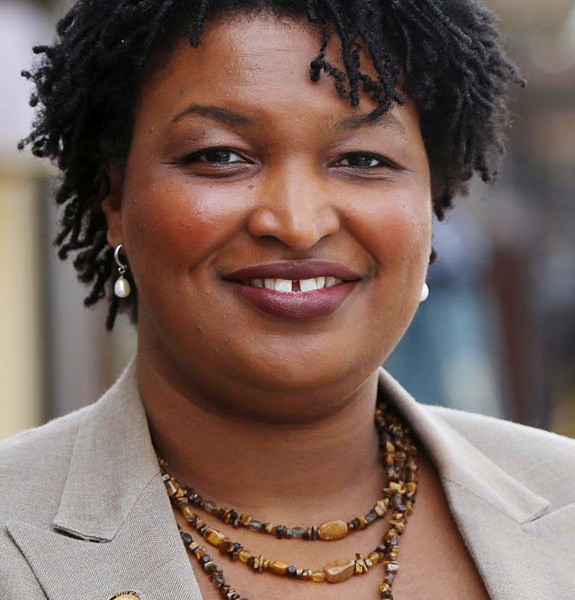
Stacey Abrams
Across Georgia, kinship caregivers, that is, grandparents, relatives or family friends, have been stepping up to provide shelter and care for children whose parents can no longer support them. Kinship caregivers provide more than a familiar face — they are a vital source of comfort and security after the trauma of parental separation, even in the face of tremendous obstacles. My colleagues and I from both sides of the aisle are working together to find ways to support kinship families, but the most powerful evidence comes from the public. We need members of the community to share their stories to guide smart solutions to one of our state’s toughest challenges.
The benefits of grandparents and other kin becoming a child’s primary caregiver are substantial. Children are less likely to experience behavioral problems, psychiatric disorders and school disruptions in kinship care versus foster care. Research shows kinship care results in the strongest opportunity for children to become successful and responsible adults. Having children in kinship care arrangements helps keep them out of our over-burdened foster care system, resulting in considerable savings for Georgia taxpayers.
Kinship families thrive in the face of incredible adversity. When a child or children appear on a family’s doorstep unanticipated, providing care and taking care of one’s family also means adjusting to a new living situation that can quickly lead to financial, legal and health related stress. This is especially true for seniors on fixed incomes who may struggle to make ends meet and have health concerns of their own, or for families who must fight through a maze of legal requirements to be able to make medical or education-related decisions for children.
Navigating the complex government bureaucracy for financial support adds another frustrating layer of stress. In fact, Temporary Assistance for Needy Families (TANF) provides only $155 a month to provide for one child, which is less than half of what a foster parent receives for the same undertaking. This is especially hard for the quarter of grandparents raising grandchildren in Georgia who live below the poverty line.
I am honored to chair a study committee for the Georgia House of Representatives that is traveling across the state to hear from experts and kinship caregivers and investigate how we can help kinship families. In Dalton, we heard from a grandmother raising three grandchildren, all with special needs. She spoke of receiving $200 month for food stamps and asked, “It’s hard, you budget, but there’s not always enough there. Could you eat on $200 a month for four people?” Her story is not unique. Kinship families have struggled under the radar for far too long without being seen by legislators. We are working on changing that.
Our committee has learned much from hearings in Dalton and Atlanta, and during this week’s hearing in Albany, which has its own unique challenges in a region that is rural with limited access to transportation and other resources. But this issue is also personal. My own parents are kinship caregivers in Mississippi who have tackled the complexity of this system. I know first-hand how difficult it can be for kinship caregivers to secure the resources they need. Together, we can make it just a little bit easier for families in our state.
I encourage all Georgians to share their testimony at www.kinshipcarega.com so that we can learn more about kinship care. The committee looks forward to finding solutions to support stronger families in Albany and across Georgia.
Rep. Stacey Y. Abrams, D-Atlanta, is the Georgia House minority leader.
Related Articles
Albany Rescue Mission in recovery but still can use some help
“We can’t do this without the community. We are so grateful for the willing vessels. We just can’t thank them enough. We also appreciate the other ministries that have sown seeds into our ministry.”

Plenty of oil, not enough diesel — and southwest Georgia farmers are paying for it
Sedrick Rowe doesn’t spray herbicides on his 10 acres of organic peanuts. He fights weeds with his tractor instead, which means he runs it more often than most farmers — and burns at least 30 gallons of diesel on a typical day. This harvest season, every one of those gallons costs more than it has at any point on record.

Dougherty schools plan task force as SNAP changes raise concern over free meals
The Dougherty County School System plans to create a task force to help families retain food assistance and navigate new reporting requirements as district officials warn that declining SNAP participation could eventually affect the federal provision that allows every student to eat free at school.
