
State prisons chief pitches case for funding boost
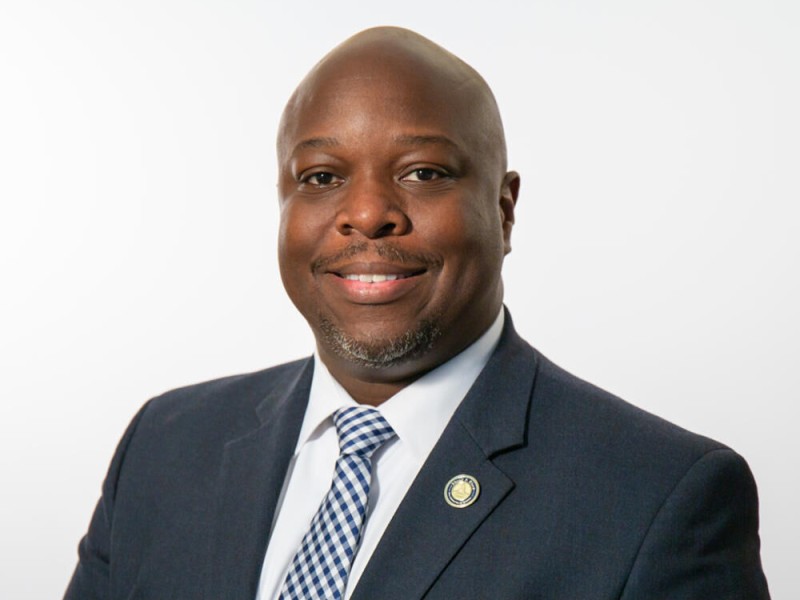
Tyrone Oliver
File PhotoBy Dave Williams
Capitol Beat News Service
ATLANTA -– Georgia Department of Corrections officials have begun laying the groundwork for an infusion of state funding to beef up staffing, replace aging infrastructure, and improve inmate health care.
The state’s work force of correctional officers plummeted during the COVID pandemic and has yet to fully recover, Georgia Commissioner of Corrections Tyrone Oliver told members of a Georgia House Appropriations subcommittee.
A 26% annual turnover rate before the pandemic struck in 2020 soared at one point to more than 40% before dropping slightly to 37%, Oliver said.
“This is by far the toughest position in public safety,” he said. “People don’t always grasp that when they go in.”
Oliver said the state prison system doesn’t have a difficult time recruiting correctional officers, but keeping them more than one or two years is a challenge. He said the large numbers of jobs in other industries that opened up after the pandemic are luring correctional officers away.
“You can make more money with less stress,” he said.
Oliver said deteriorating infrastructure across the system is making prisons less safe. Inmates can easily use crumbling infrastructure to fashion dangerous weapons.
Oliver said the department is working to increase the number of single-bunk cells because many of the assaults that take place inside the prisons involve inmates in two- or three-bunk cells attacking each other.
The commissioner said additional funding also would help the department combat the growing problem of contraband weapons and cellphones getting to inmates, often via drones. The federal prison system has begun using jamming devices to disrupt cellphone signals inside prisons but has not yet authorized state systems to pilot the technology, he said.
Oliver said another factor driving up the prison system’s costs is growing health care needs resulting from an aging prison population. The average age for inmates is now 40, which results in more inmates suffering from chronic illnesses, he said.
Assistant Corrections Commissioner Jay Sanders said some of the self-help programs the prison system operates for inmates are aimed at those with substance abuse or with cognitive issues.
In most cases, those who complete those programs as well as education and job training activities are both less likely to commit additional crimes after release from prison and less likely to commit violence while they’re still behind bars, he said.
“They get up every day with a purpose,” Sanders said. “They’re active. Their mind is engaged.”
Rep. Matt Hatchett, R-Dublin, the subcommittee’s chairman, said he expects funding for the prison system to be a major priority when lawmakers take up Gov. Brian Kemp’s budget recommendations during the 2025 General Assembly session starting in January.
“Hopefully, we can fund the improvements you need,” he told Oliver.
Hatchett said he expects the subcommittee to hold a final meeting shortly before the session begins.
Author

Related Articles

Albany Herald – July 23, 2026
2026 Dougherty County tax notices could… Dougherty Board of Tax Assessors plans for… Third time’s the charm?…

Classifieds – July 23, 2026
Classifieds and Legal Notices
Albany, Dougherty County looking at data center regulations
“Data centers are going to come to Georgia. Data centers are already in Georgia. Property owners have a right to sell their property. It is the responsibility of local government to zone and protect the community you are in.”
