
Georgia Supreme Court upholds gubernatorial appointments to Appeals Court
Gov. Nathan Deal’s appointments to three new appellate court seats will stand
From Staff Reports
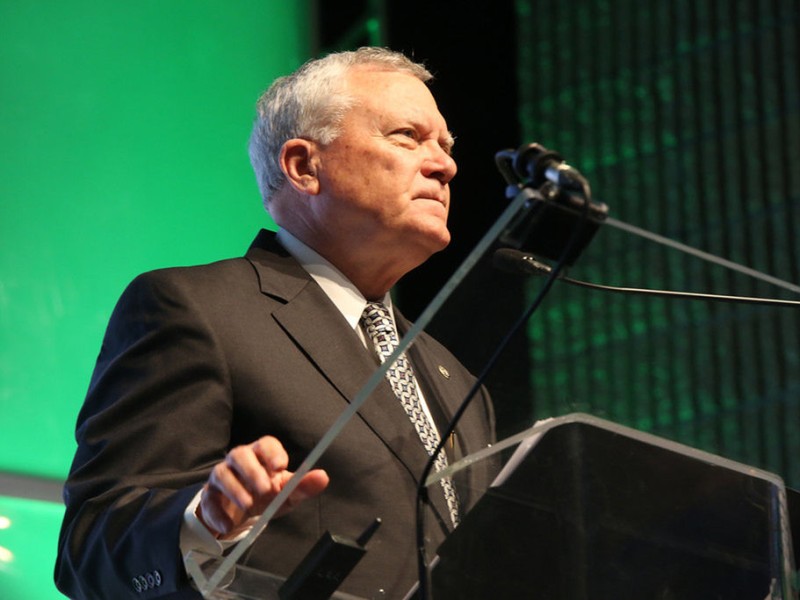
ATLANTA — The Supreme Court of Georgia has upheld the right of Gov. Nathan Deal to appoint three new judges to the Georgia Court of Appeals.
According to a release Tuesday from the state high court, five plaintiffs, including the head of the Georgia NAACP, appealed a December ruling by a Fulton County judge who denied their petition to declare unconstitutional a 2015 statute that allowed the governor to appoint the three new judges to the state appellate court. The plaintiffs argued that, under the state Constitution, the new judgeships must be filled by a statewide election.
In a 6-to-1 decision written by Justice Harold Melton, the Supreme Court ruled that the 2015 statute was constitutional. The main question, the majority said, is whether a newly created position on the Court of Appeals qualifies as a “vacancy” under the Constitution. “Both the appropriate rules of construction and the historical record indicate that it does,” the majority opinion said.
Last year, Deal signed into law House Bill 279, which increased the number of judges on the state Court of Appeals from 12 to 15. A new subsection of the Georgia Code stated that the newly created judgeships “shall be appointed by the Governor for a term beginning January 1, 2016, and continuing through December 31, 2018, and until their successors are elected and qualified.”
On Oct. 29, Deal announced he was appointing Brian Rickman, a district attorney; Nels Peterson, a vice chancellor, and Amanda Mercier, a Superior Court judge, to fill the three new judgeships. On Nov. 16, a petition was filed in the Fulton County Superior Court seeking a “declaratory judgment” that declared the statute unconstitutional and an injunction to prevent the governor from appointing the judges.
The Fulton court denied the emergency motion. The governor subsequently swore in the judges and they took office Jan. 1.
The main argument of the appeal, the Supreme Court release said, was that Court of Appeals judges who fill newly created seats must be selected by a general nonpartisan election. The high court, determining the new positions were vacancies, said the Georgia Constitution states, “Vacancies shall be filled by appointment of the Governor except as otherwise provided by law in the magistrate, probate, and juvenile courts.”
“Therefore, the Constitution clearly allows the Governor to appoint new judges when there is a vacancy on the Court of Appeals,” the majority opinion said.
Because the new judges had already taken office, the issuance of a declaratory judgment, injunctive relief and a temporary restraining order against the governor, along with the governor’s cross-appeal, were determined to be moot.
Justice Robert Benham was the lone dissenter, basing his dissent on whether the new judgeships were truly vacancies, a term that he said is principally applied to an interruption in an existing incumbency. With new positions, he said, there were no unexpired terms to fill.
“The majority opinion has failed to explain how executive and legislative action cloaked as tradition, or what the majority terms as a ‘standard practice,’ which was not in fact the standard, can trump the constitution of our state,” Benham wrote. “… I believe that the legislation allowing these gubernatorial appointments is unconstitutional, and I believe the people of Georgia have been deprived of their constitutional right to elect the appellate judges who ultimately have the last say over their issues and disputes.”
Related Articles
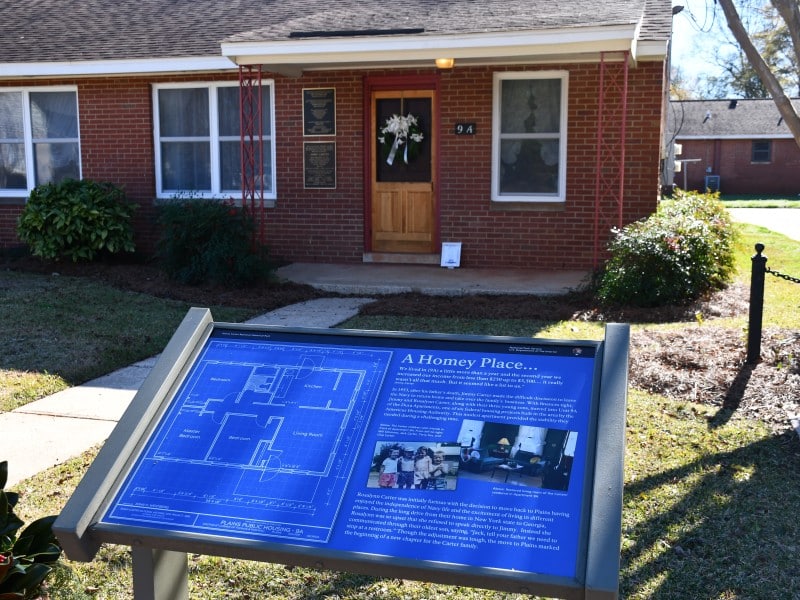
The U.S. president who lived in Plains public housing
In 1986, Unit 9A was dedicated as a place of historical significance, with the permission of Jimmy Carter. For years, a plaque marked the apartment, located on Paschal Street in Plains. However, in 2019, the Americus Housing Authority and Plains Historic Preservation Trust began working to turn the site into a museum.

Friends and neighbors of Jimmy Carter reflect on the passing of the President from Plains: ‘It leaves us with a big job to carry on their legacy’
Jimmy Carter, who died on Dec. 29 was the only president from Georgia. Friends and neighbors say it was his Plains upbringing that developed his attitude for service.

Child care study committee releases recommendations
Tax credits are the weapon of choice for Georgia lawmakers looking for ways to make child care more accessible and affordable.
