
Toll lane revenues show Georgia traffic getting back to normal
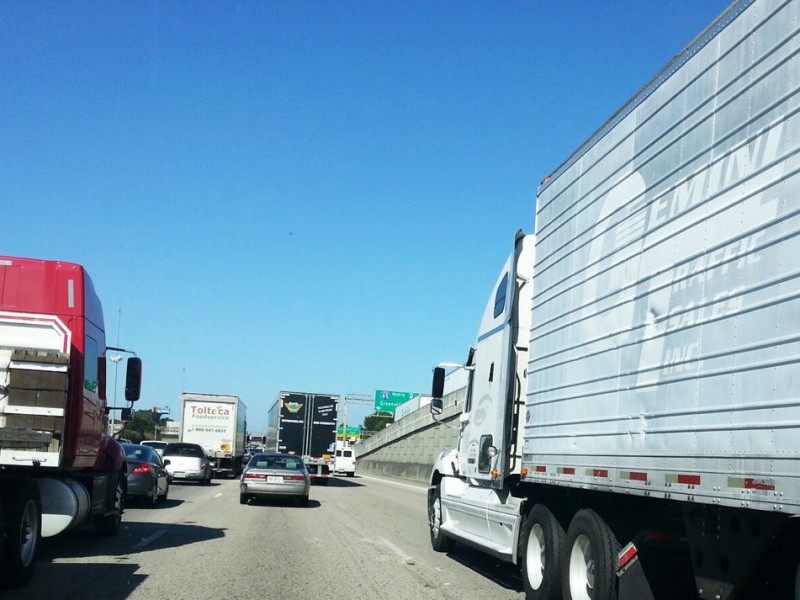
File Photo
By Dave Williams, Bureau Chief
Capitol Beat News Service
ATLANTA — Traffic is picking up in Georgia as the coronavirus pandemic wanes, and it’s reflected in new revenue projections for the state’s toll lanes.
The State Road and Tollway Authority expects to generate $39.5 million from tolls during the fiscal year starting July 1. That’s more than double the $19.5 million SRTA has brought in during the current fiscal year, dominated by COVID-19.
“Traffic is coming back,” SRTA Executive Director Chris Tomlinson told the agency’s board of directors.
Tomlinson said traffic in the toll lanes along interstates 75 and 85 is back to 77% of what it was before the coronavirus pandemic forced businesses to either close and lay off their employees or send them home to work.
The increase in traffic has been steady month to month until recently, when it began to accelerate, he said.
“People are coming back to offices,” he said.
The trend is expected to continue to the point that SRTA is projecting higher toll revenue during the coming fiscal year than in Fiscal 2019, the last year not affected by the pandemic, when income from tolls was less than $35 million.
Tomlinson said that stems in part from the relative newness of SRTA’s toll lanes. Both the Northwest Corridor along I-75 in Cobb and Cherokee counties and the I-75 South toll lanes in Clayton and Henry counties opened in 2018.
“More people are getting used to these lanes,” he said.
In other business, SRTA sold $417 million in revenue bonds at an average interest rate of 2.50% made possible by Georgia’s AAA bond rating with the three major rating agencies. Most of the proceeds will go toward refinancing SRTA’s debt on the toll lane projects.
Tomlinson said the refinancing will ultimately save Georgia taxpayers $131.8 million.
“I’m grateful for the partnership we’ve had with the General Assembly through these unprecedented times,” Gov. Brian Kemp, who chairs the SRTA board, said. “The incredible interest rates we’re getting have a lot of value for the taxpayers. … We’re coming out on the back side [of the pandemic] better than most.”
Related Articles
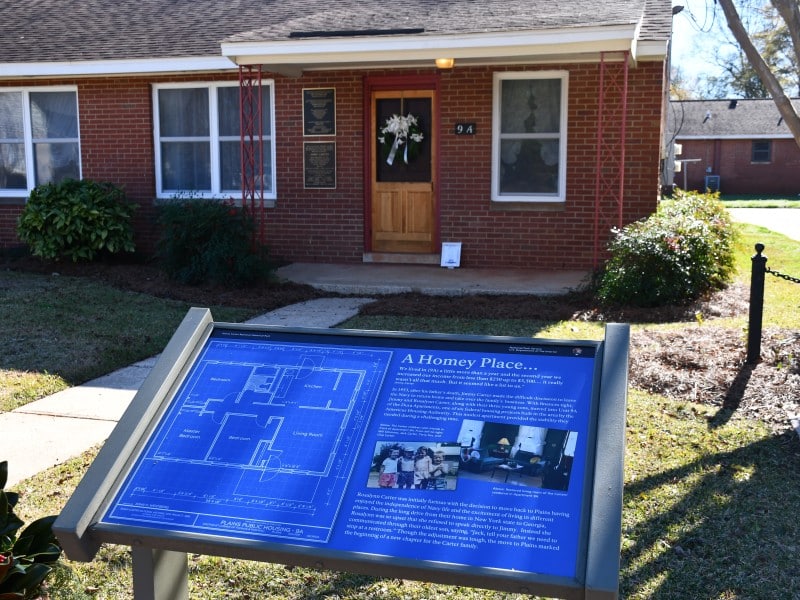
The U.S. president who lived in Plains public housing
In 1986, Unit 9A was dedicated as a place of historical significance, with the permission of Jimmy Carter. For years, a plaque marked the apartment, located on Paschal Street in Plains. However, in 2019, the Americus Housing Authority and Plains Historic Preservation Trust began working to turn the site into a museum.
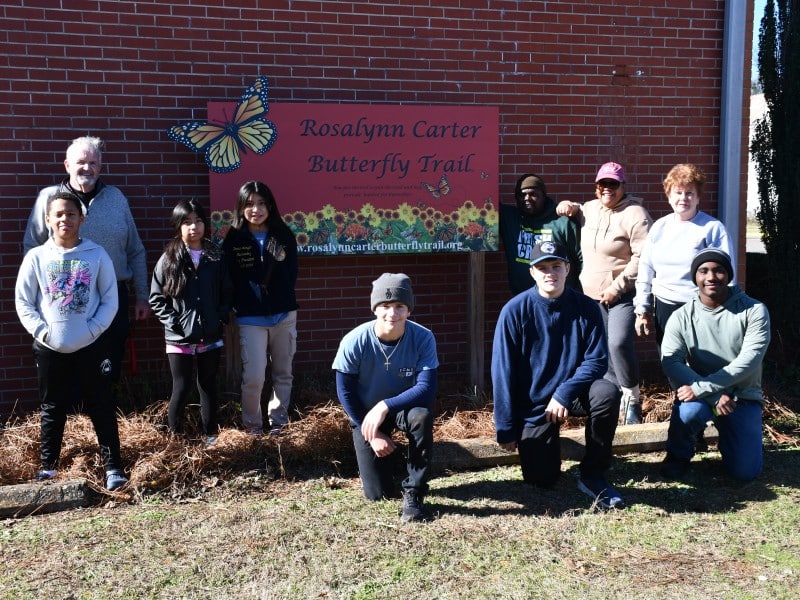
Friends and neighbors of Jimmy Carter reflect on the passing of the President from Plains: ‘It leaves us with a big job to carry on their legacy’
Jimmy Carter, who died on Dec. 29 was the only president from Georgia. Friends and neighbors say it was his Plains upbringing that developed his attitude for service.

Child care study committee releases recommendations
Tax credits are the weapon of choice for Georgia lawmakers looking for ways to make child care more accessible and affordable.
