
Statistics unintentionally dehumanize victims

Carlton Fletcher
Where do we go from here? You know I’m not the guilty one.
— Filter
When law enforcement officials talk about crime prevention now, they do so in the vernacular of crime statistics. Thus, they can readily tell you the percentages of increase or decrease in various categories of criminal activities in their jurisdictions.
Most of us figure, then, that it’s a positive for our communities when stats show a downturn in certain categories of crime. That’s the approach I’d always taken at least, until a recent chance visit to an area convenience store.
The tension in the air was palpable when I popped into one of the many area gas ‘n’ sips to pick up a Coke and a Slim Jim on an overcast Saturday afternoon. I couldn’t help but notice looks of concern that bordered on terror as I wandered down the aisle in search of my snack of choice. When I walked toward the counter to pay, I overheard one of the clerks say, “I’m not gonna lie; I’m afraid to work tonight.”
That clerk went to the back of the store to take care of a customer’s needs and I was left alone at the counter with her co-worker, a young lady who couldn’t have been older than her mid-20s. Apologizing for my nosyness, I asked if there was anything wrong.
The young lady hesitated briefly, then said, “Our store was robbed the other night.” The fear in her voice was unmistakable, and without further prompting from me, she said, “The guy put a gun to the clerk’s head and said he’d shoot her if she didn’t give him money.”
I didn’t know what to say, so I said nothing.
“The other girl, she quit,” the young clerk said, and her eyes filled with tears. “I would, too, but I need this job.”
Since talking to that random young lady at that random convenience store, I haven’t been able to erase from my memory the look she had on her face. There was fear, yes, but I think that look went even deeper. No one will ever be able to convince me that what I saw on that face wasn’t resignation and sheer hopelessness.
It’s a look that haunts me. And it’s a look that’s made me realize how dehumanizing and dangerous crime statistics are.
In some file in some computer sitting in the office of some local law enforcement agency, there is a simple “1” — a mere hashmark — that’s been recorded to indicate one more armed robbery in an area where such crimes are becoming ever more commonplace. At the end of some designated time period, law enforcement personnel will add up all those ones and determine if they’re winning the fight against crime.
If the ones add up to a number smaller than the number of armed robberies committed during a similar period of time a year ago, then law enforcement will proudly announce that “armed robberies are down” in their jurisdiction. And their pronouncement will be 100 percent accurate and welcome news in a community that’s come to accept daily doses of such criminal activity as, simply, part of the landscape.
But the victims of those armed robberies — the young girls who’ve had guns placed against their heads and their lives threatened — will be a lot less inclined to celebrate the news. Even if the numbers dropped to 125 or 97 or 52 or 21 or 11 or even 1, each and every victim will certainly be too involved with trying to put their lives back together and chasing away the nightmares that no doubt haunt them to feel much joy.
This is not meant as an indictment of law enforcement, whose brave men and women use whatever means the court system allows to try and keep the gun-loving gangsters and sociopaths who have no value for human life or decency off the streets. It’s just that I’m choosing not to celebrate any positive crime stats you release in the future.
God bless you and protect you for doing a thankless job for people who only appreciate it when you’re directly serving and protecting their concerns. But none of your upbeat crime stats will ever erase the memory I have of the haunted look on that random young convenience store clerk’s face.
Email Metro Editor Carlton Fletcher at [email protected].
Related Articles
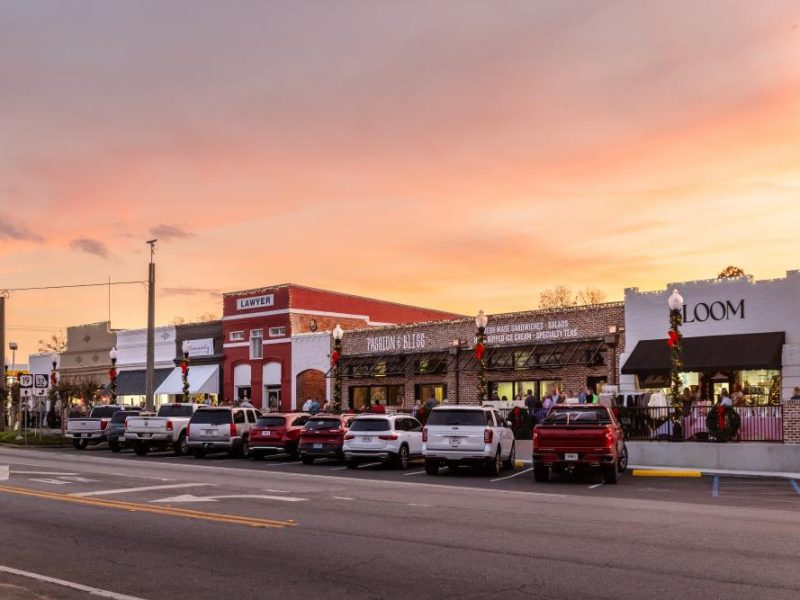
Public safety drives Leesburg’s $4.2 million Fiscal Year ’27 budget
The adopted spending plan reflects modest growth in city revenues and continued emphasis on maintaining core municipal services, particularly public safety and sanitation, which together account for a significant share of general fund expenditures.
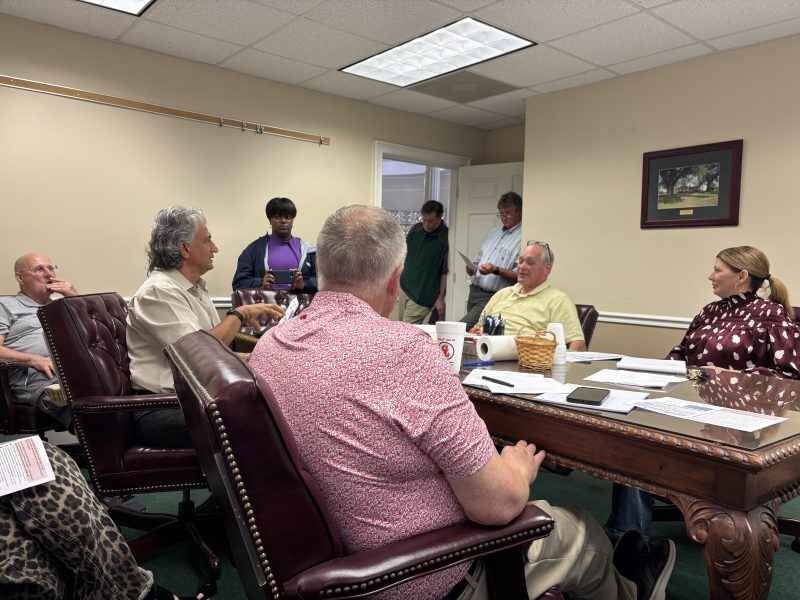
Lee County property assessment notices set to arrive as farm values jump 83%
The Lee County Board of Tax Assessors approved the 2026 assessment notices Wednesday and voted to include an informational insert designed to help taxpayers understand how property values, exemptions and appeals work.

‘Sounds Like a Mutiny.’ Secret Recording Exposes Claims of Toxic Leadership After a Marine’s Suicide
This week’s War Horse story follows the systemic failures before and after the death of Cpl. Drew Mobley who was the third in two years at Marine Corps Base Quantico to die by suicide.
