
Taking it to the streets: 229 Safer Living is saving lives in Dougherty County
Special Photo
By Alan Mauldin
[email protected]
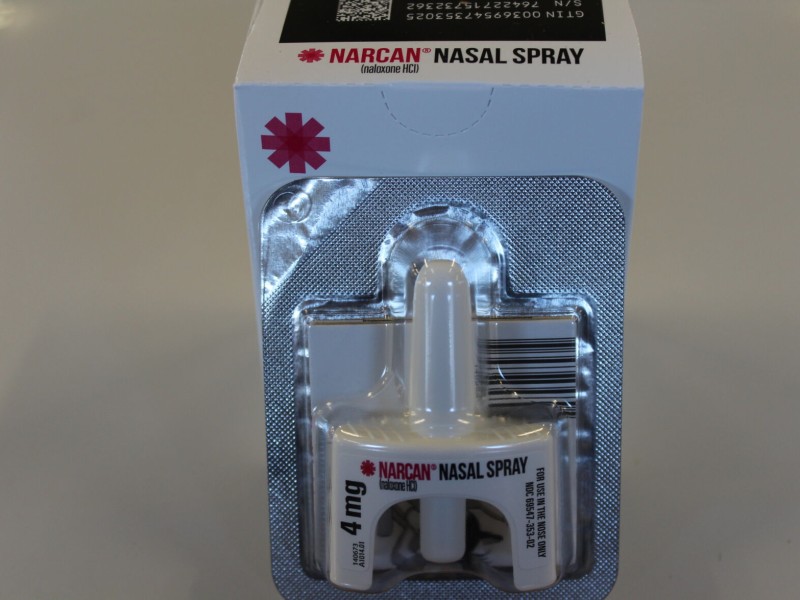
ALBANY — Summertime is usually the annual peak time for drug overdoses, so when the number of calls hit 36 calls for an ambulance for opiate overdoses in September, Sam Allen took notice.
The Dougherty County Emergency Medical Services director would normally have seen the numbers decline a month after the start of public schools, so he’s puzzled by this development.
“I don’t know what’s going on,” he said. “Something is definitely going on out there. It’s all over. I don’t know what it is.”
The 36 calls in September were preceded by 27 in August, 40 in July and 35 in June. During those four months, EMS workers treated 74 patients with Narcan, the nasal spray version of the medication Naloxone used to revive patients who have overdosed with opioids, whether prescription medication or street drugs such as heroine, which is often laced with the more-potent fentanyl. EMS personnel typically answer about 25 to 35 overdose calls per month.
“Narcan use is probably (used during) 90 percent of the overdose cases we’re going to,” Allen said. “Narcan definitely saves lives.”
The medication is available at the Dougherty County Health Department — no questions asked — for individuals 18 and older. But some Dougherty County residents have issues making it to the one-day-per-week no-cost distribution due to transportation issues.
For those who are facing difficulties in their lives and don’t have ready access to transportation or are housing-insecure and don’t have a permanent address, Jessica Holton, a registered nurse who has worked and taught in Dougherty County for decades, has stepped in.
For two years Holton has been distributing Narcan on Mondays through 229 Safer Living Access. She also works with Georgia Overdose Prevention and is a director with the Never Use Alone hotline through which volunteers stay on the line with individuals having a crisis and call for help if the caller becomes unresponsive.
She also distributes safe-sex supplies through 229, which she operates with one assistant.
“We focus on people who use drugs and sex workers and the unhoused, not the homeless, but unhoused, people,” she said. “There is nothing in Dougherty County right now, nobody (providing) the things they need to stay healthy and alive.
“I go places most people don’t go and meet people most people will never meet. People who are down need Narcan to stay alive. I do the rapid HIV testing (for the health department) in the community. There are a lot of things just to reduce the harm.”
Holton has seen an increase in the need for services since the pandemic began. Some have lost access to medical care. In other cases, those without a permanent address are unable to get identification that would allow them to get a job.
“You’d be surprised at the number of people who have turned to street (substances) because they can no longer access their health care,” she said. “All of us are one catastrophe from being unhoused, from losing our health care benefits.”
When patients are transported through the ambulance service, the EMS personnel try to convince them to seek treatment options.
The same is true of 229. Holton said she always works with Aspire Behavioral Health and Developmental Disability Services and other organizations and always has a bead on beds in a treatment facility for both a male and female patient at all times.
“When participants tell me they’re ready to go,” there is something available, Holton said. “Basically I engage people. I encourage them to make a change.”
Holton got involved in her work through her daughter, who needed Narcan in the past. From that point on, her daughter asked her to assist friends and acquaintances.
“My daughter inspired me,” she said. “Being a nurse, I saw the need in our community. I reached out to Georgia Overdose Prevention and stumbled into the world of harm reduction and never looked back. The antidote for addiction is connection.”
While there is no way to track the number of those who are alive today through the use of Narcan distributed in the community, there is no doubt it has prevented deaths, Allen said.
“It does help out,” he said. “The Narcan out there cuts down on some of the 911 calls. Jessie’s a former ER nurse, that’s how I got to know her. She’s been working the streets and she’s really dedicated to what she’s doing.”
Individuals who need assistance or would like to help can visit the 229 Facebook page at https://www.facebook.com/search/top/?q=229%20safer%20living%20access to leave a message.
While some people look down on those she serves, Holton said everyone deserves another chance.
“I have not met the first unworthy person yet,” she said. “Every person I’ve met is determined and capable and willing.
“One person, just doing what he or she is capable of, no more, no less … look at the change that can happen. What if we all just helped a little?”
Author

Related Articles
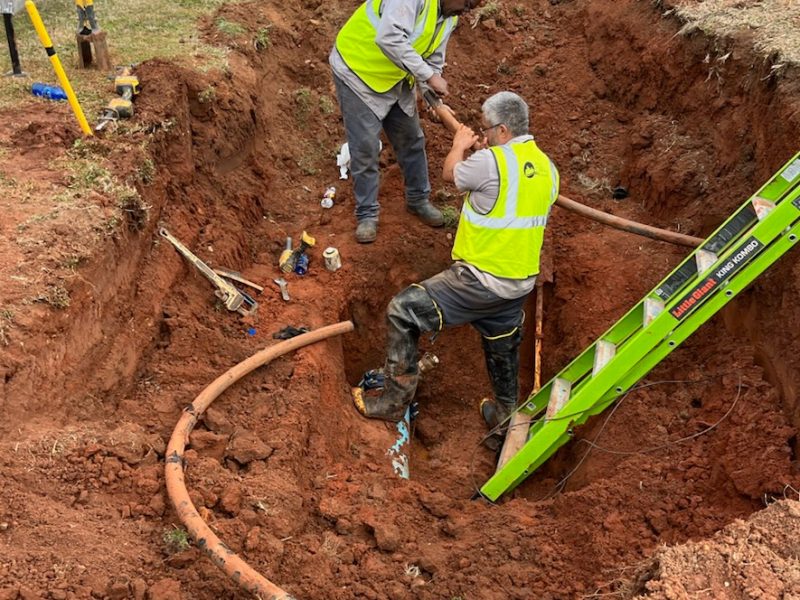
What you can’t see can hurt you. Albany embarks on water main replacement project to address aging system
“At some point you have to stop kicking the can downt the road. We don’t want the state to say ‘You have to do this.'”
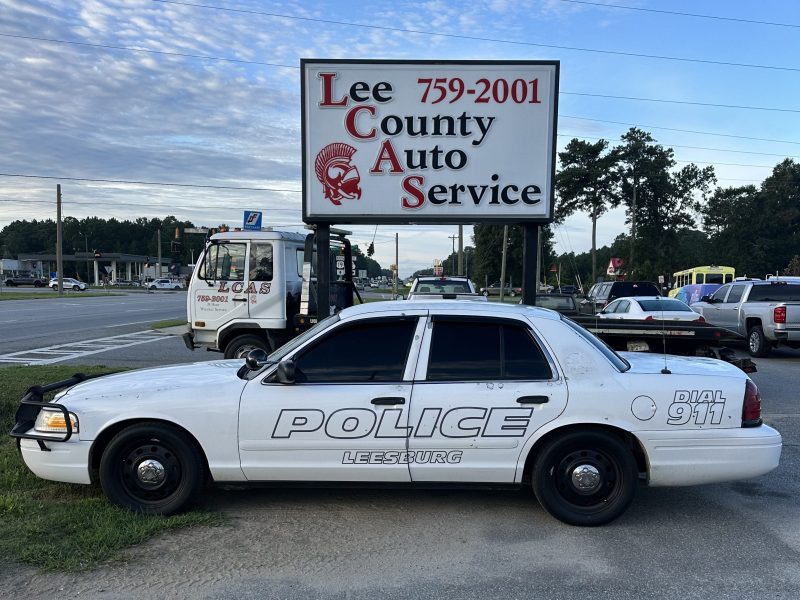
In Leesburg, stewardship is the quiet engine of good government
In an era when stories of government often center on budget shortfalls, cost overruns and questions of accountability, examples of stewardship rarely make headlines.
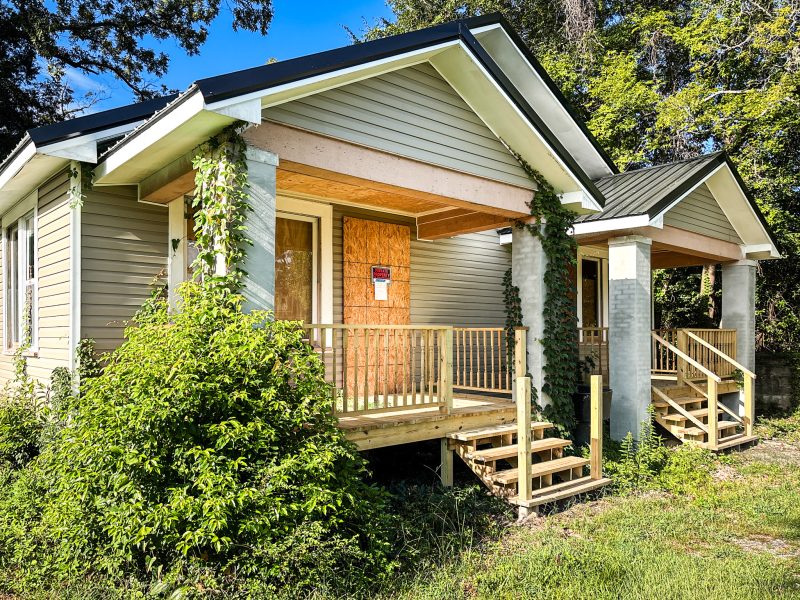
Pay the fine. Skip the permit?
A unanimous vote Wednesday approving retroactive renovations on a 1918 Craftsman duplex at 412 W. Residence Ave. quickly evolved into a broader discussion over repeat violations, contractor accountability and whether the city’s existing penalties are sufficient to deter property owners who bypass Albany’s historic preservation review process.
