
Thomasville’s growth centered initially on lavish plantations
Special Photo
By Tom Seegmueller
[email protected]
THOMASVILLE — “Reaching the end of the line,” does not routinely conjure up an image of optimism. However, that was not to be the case for the city of Thomasville in the decades following the War Between the States when the then rural agricultural town became the southern terminus of a newly created transcontinental rail system. Throw in a little medical quackery and the private railcars of millionaires, and the rest is history.
Thomas County was established in 1825 by an act of the Georgia General Assembly, with Thomasville being established as the county seat in 1826. Both were named after Jett Thomas, a member of the State Militia and general in the War of 1812. In 1806 he oversaw the construction of Old College, the oldest remaining building on the UGA north campus and the state capital, then in Milledgeville.
By 1831 Thomasville had grown to the point that it was incorporated as a town. The region was isolated, but a thriving agriculture, timber and naval store economy evolved, leading to the community being included in the planned route of the Atlantic and Gulf Railroad Co. The line reached Thomasville before further construction was disrupted with the outbreak of the war in 1861.
However, serving as the southern terminus of the line was pivotal in Thomasville’s continued growth during the war, as it played a significant role providing supplies including, food, grain, and naval stores to the Confederacy. In 1864, Union prisoners would be moved from Andersonville through Albany to Thomasville in a failed attempt at a prisoner exchange.
When the war ended, the importance of linking the numerous independent rail systems in the country into a cohesive transcontinental system was seen not only as an economic necessity but also as a means of literally and figuratively reuniting a splintered nation. As the southern terminus, Thomasville was suddenly easily accessible from the north and soon became known as a winter resort for wealthy northern titans of industry and commerce.
Initially, many northerners were lured to a physician who gained national notoriety as an early proponent of aromatherapy, espousing curative virtues of the pine-scented air of the region for pulmonary ailments. Thomasville soon gained the reputation of being the “Winter Resort of the South.” Northerners soon discovered other virtues of the region, including hunting, fishing and horse racing, and they brought golf and polo with them.
Two hotels provided luxury accommodations to those traveling to the end of the line in personal rail cars. The Mitchell House stood in the city center beside the Courthouse, and the Piney Woods Hotel was next to the railroad depot. Some of the nation’s richest families established a winter tradition traveling to Thomasville in October and staying thru April. An annual pattern of migration evolved, allowing practitioners to avoid the frigid northern winters and sweltering pre-air conditioning summers.
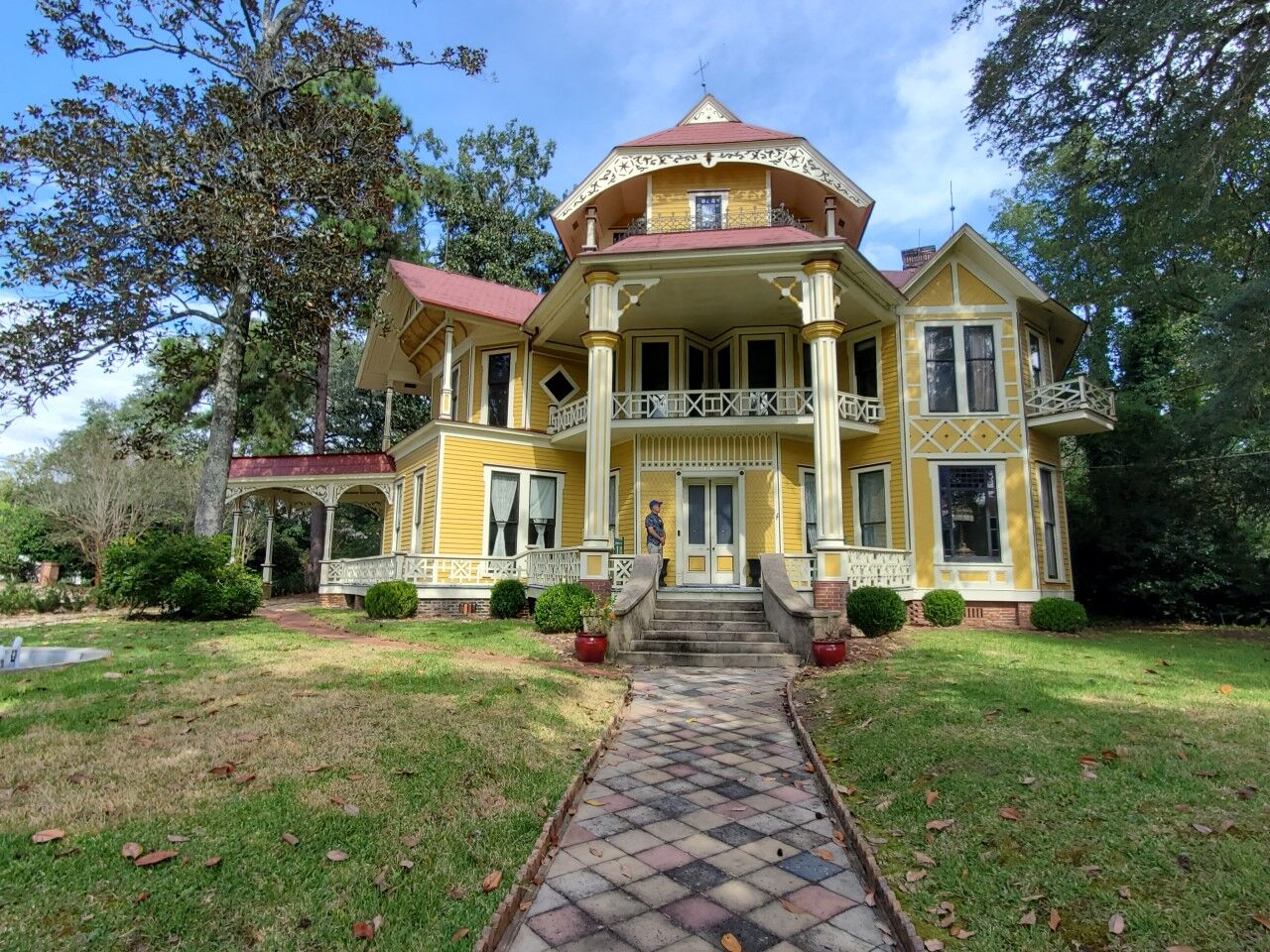
As this lavish resort lifestyle was becoming established on the vestiges of Southern hospitality, it soon became apparent to these astute visitors that the price of land was less than the price of their prolonged hotel stays. This resulted in the creation of “plantations,” or shooting preserves, with the associated “winter cottage.” The term cottage belies the magnificent Victorian homes and grand lodges they built.
Today more than 71 of these plantations are scattered across Thomas County. Many of these remain in the hands of the families that established them. Most are very exclusive and private. However, a number are open to the public providing a glimpse of the grand lifestyle they established here.
Today the state of Georgia, in coordination with the Thomasville History Center, has opened the Lapham-Patterson House to the public. Emma and Charles Lapham visited Thomasville in 1882. Charles had visited other areas of the South but felt that the scent of the pine woods rejuvenated him from the injuries he suffered during the Great Chicago Fire.
In 1884, the Laphams purchased a lot on Dawson Street with the intent of building a cottage there. Their home was built by Danish immigrant Jens Peter Theodore “Tudor” Rommerdall, who became a prominent architect and builder in the city. The house cost $4,500 to build. The Queen Anne style home was constructed in 11 months.
One unique feature of the home is that every room has an exit to the exterior in the event of fire, a requirement of Charles following his experience in Chicago. Ironically, the home of someone suffering from pyrophobia is constructed completely of heart pine, one of the most flammable building materials available. Its reputation for strength, durability, and termite resistance makes it the material of choice, and this home was no exception.
The house is also known as “Mr. Lapham’s Whimsy.” Within its 6,000 square feet, there are 45 doors with 24 leading directly to the exterior. Its 19 rooms have 53 windows with the bottom sashes opening to allow for easy exit as well. One of the more unusual aspects of the house is found on the third floor, where a mysterious room with a 17-foot vaulted ceiling is located.
Even more unusual and a cause of great speculation is a bi-annual occurrence that takes place during the spring and fall equinoxes when sunlight passes through the carvings on the home’s barge boards and then the windows facing Dawson Street. The result is the head of a steer appears in the center of the room’s floor, and a Pennsylvania Dutch hex sign aligns on either side. Many believe the steer head pays homage to the mythical cow that kicked over Mrs. O’Leary’s lantern causing the Great Chicago Fire.
Another public site that epitomizes the resort era is Pebble Hill Plantation. Pebble Hill was established in the 1820s by Thomas Jefferson Johnson on land ceded by the Creek Indians at that time. The plantation, like most in the area, would grow cotton, corn, tobacco, sugar cane, and subsistence crops.
Johnson would pass the property on to his daughter and her husband, Julia Ann and john Mitchell, who would see the property through the war and the depression era of reconstruction. However, by the time Thomasville was gaining prominence as a winter resort, it was in a serious state of disrepair.
In 1896, Pebble Hill was purchased by Howard Melville Hanna. Hanna was a schoolmate of John Rockefeller’s. He served during the war as the U.S. Naval Paymaster and following the war invested in shipping and oil, owning and operating a refinery that would become Standard Oil Company.
At this point, the focus of Pebble Hill would shift from being a working farm to a winter estate and shooting preserve. In 1901, Hanna gave the property to his daughter, Kate Hanna Ireland. Kate would restore the existing house on the property, enjoying it as her winter home until 1934, when it was destroyed by fire.
In 1936, a new house was constructed, and a staff of approximately 100 men and women would be employed to operate and maintain the property, which was managed as a resort. Guests could choose their menus. Meals could be served in their guest rooms or at a communal table. Meticulous records kept track of the preferences of each guest to ensure that they had anything they might desire on future visits.
Following Kate’s death in 1936, the property passed to her daughter, Elizabeth Ireland Poe, or Pansy, who managed and lived on the property until 1978. Because of her desire to share the property she loved and preserve it as a time capsule of that era, she willed that the property be maintained and open to the public through a foundation established to fulfill those wishes.
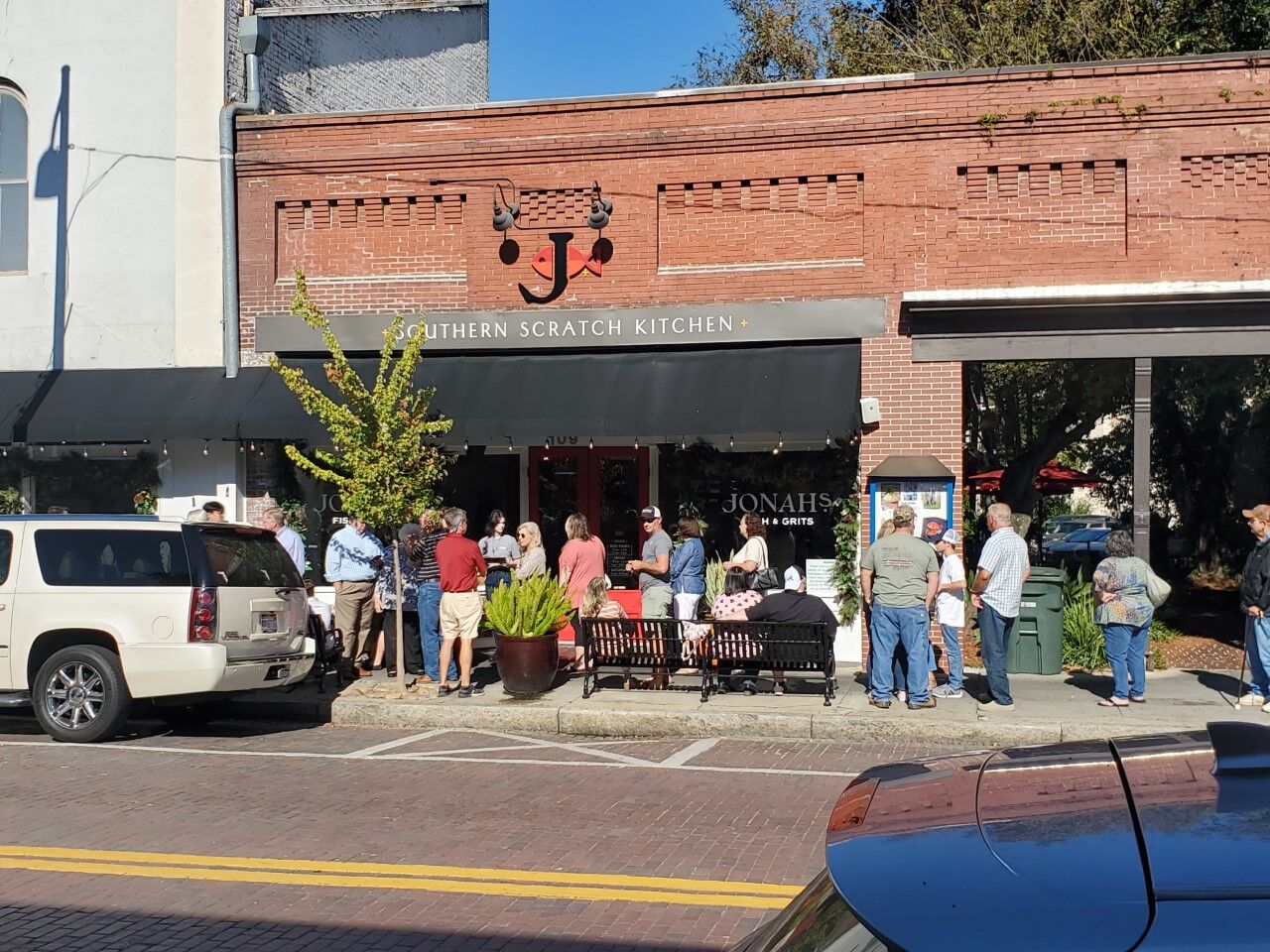
The desire to preserve this golden era runs deep in Thomas County and Thomasville. Over the past decades, the downtown core has been restored to the grandeur of these glory days. The downtown streets are lined with more than 100 stores and restaurants offering unique shopping and dining experiences appealing to anyone.
Whether you go for a day trip or an extended visit, you will find plenty of activities to enjoy. More information can be found at thomasvillega.com. It is not a stretch to say that the love of the Longleaf pines and Bobwhite quail shaped and saved a region where many of those that hold property here see themselves more as caretakers for future generations than current owners of a property.

Related Articles

How Trump’s Endangered Species Act revisions could affect Southwest Georgia
Earlier this month, the Trump administration finalized a rule rescinding the long-standing regulatory definition of “harm” under the Endangered Species Act, removing language that had interpreted the law to include significant habitat modification or degradation that actually kills or injures protected wildlife.
Mitchell County official refutes charges made by group opposing rezoning of land to be purchased by energy giant
“At no time has NextEra mentioned a data center,” James Eubanks said of negotiations with the world’s largest electric utility holding company.

Mitchell County group fights NextEra Energy project
On June 29, the Mitchell County Board of Commissioners voted to approve a rezoning request that would change 300 acres in the northern part of the county from Agriculture to Industrial.
