
Unanswered questions: Albany city commissioners cite concerns in denying approval of housing project
File Photo: Alan Mauldin
By Alan Mauldin
[email protected]
ALBANY — After several months of delaying a decision on a proposal to construct low- and moderate-income housing on city-owned land, the Albany City Commission denied the project in a narrow vote at its business meeting Tuesday night.
The vote on the proposal by Innovative Housing Initiatives Inc. was delayed on one occasion for 30 days by city staff, who wanted more time to gather information to present to commissioners. After getting that information, the commission voted to delay bringing the question to a vote.
The company proposed building about 110 houses in the area of Story Road and Charity Lane that were hard hit by Flood of 1994. Many homes located in the area were demolished in the wake of the massive flooding, and the city purchased 180 parcels of land in the area, some of which were sold and used to construct about 55 homes.
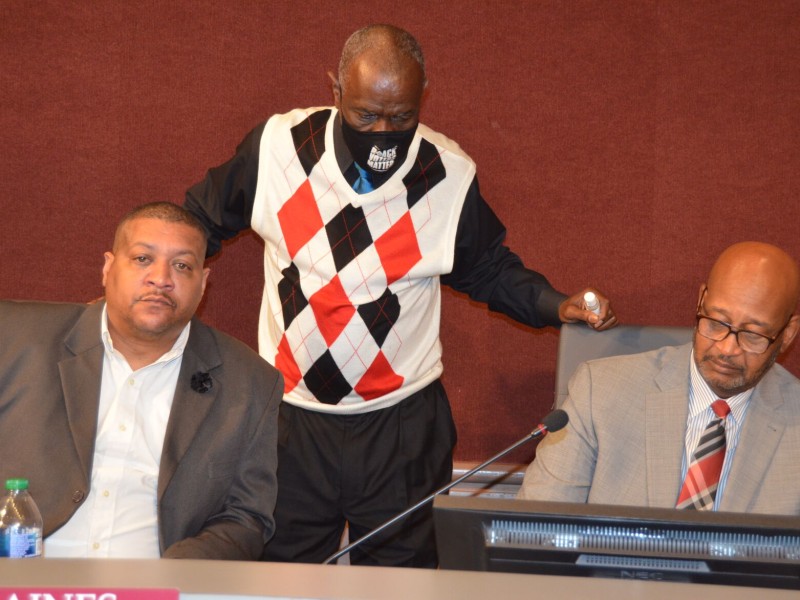
“I was in support of it because we are lacking in housing in Albany right now,” Commissioner Vilnis Gaines said. “I think it would have been a great project because we have a shortage of housing in Albany.”
City staff and the Albany Housing Authority worked to bring the proposal to the commission, said Gaines, who was joined in voting to support the project by Commissioners Jon Howard and Demetrius Young. That work included speaking with residents in the area who were in favor of it.
“I’m disappointed we weren’t able to get the support right now,” the commissioner said.
Unanswered questions about the project were a main reason given by Commissioner Chad Warbington, who was joined in opposing the proposal by Commissioners Bob Langstaff and Jalen Johnson and Mayor Bo Dorough.
Despite assurances that the city would have no liability, Warbington said that if the project had fallen through for some reason or been a failure, the city would bear some responsibility.
“For me, at the end of the day, there were too many questions,” he said.
The commissioner also said that members of the public had been given incorrect information and that the discussion had turned rancorous at times. A smaller-scale project could be a consideration in the future.
“I don’t think this project is dead,” he said. “One hundred ten houses, that’s a lot. Maybe we should take it in a phased approach and build 20. Certainly building 20 would give you the feeling you’re not putting so much out there at risk.
“You’ve got to have pretty clear certainty that if you build these houses there will be buyers. I was not convinced that if we had 110 houses we’d have 110 buyers.”
While the proposal for a public-private partnership seems to be the way public housing is headed, with purchasers able to use housing vouchers to pay off mortgages, Dorough said he had some concerns about this particular proposal.
“My concern was that the developer identified materials to be used (but that) was subject to availability and cost,” he said. “The size of the houses sold would be subject to change, based on cost. Without a definitive statement to the materials to be used and the size of the houses, I didn’t see how you go forward with it.”
Another concern raised by Dorough was that some of the houses would have been constructed on lots less than one-fifth of an acre in size.
Author

Related Articles

Classifieds – July 23, 2026
Classifieds and Legal Notices
Albany Herald – July 23, 2026
2026 Dougherty County tax notices could… Dougherty Board of Tax Assessors plans for… Third time’s the charm?…
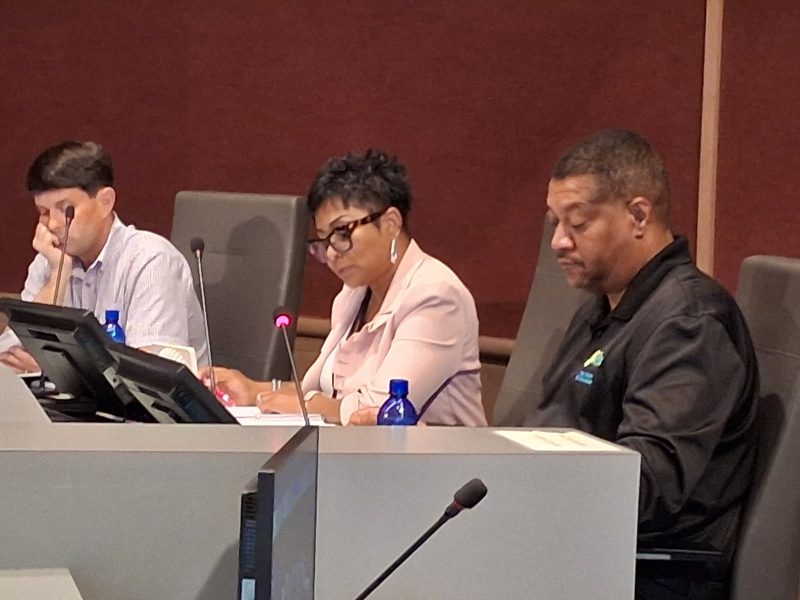
Albany, Dougherty County looking at data center regulations
“Data centers are going to come to Georgia. Data centers are already in Georgia. Property owners have a right to sell their property. It is the responsibility of local government to zone and protect the community you are in.”
