
USDA expands drought assistance as Terrell County farmers continue recovery from dry conditions
As Southwest Georgia farmers continue to recover from prolonged drought conditions that affected planting and crop production this year, the U.S. Department of Agriculture is reminding producers that a range of federal disaster assistance programs remain available while also expanding relief payments through its Supplemental Disaster Relief Program.
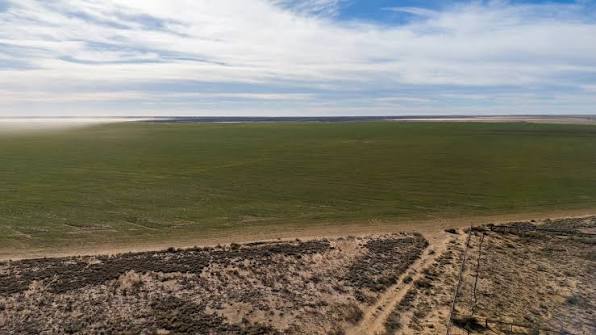
DAWSON — As southwest Georgia farmers continue to recover from prolonged drought conditions that affected planting and crop production this year, the U.S. Department of Agriculture is reminding producers that a range of federal disaster assistance programs remain available while also expanding relief payments through its Supplemental Disaster Relief Program.
The announcements come after much of Georgia, including Terrell County, experienced severe drought conditions following months of below-average rainfall. Earlier this year, the USDA designated 126 Georgia counties — including Terrell, Dougherty, Lee, Calhoun, Randolph and surrounding counties — as primary natural disaster areas because drought conditions met federal disaster thresholds. The designation opened the door for producers to apply for low-interest emergency loans and other forms of federal assistance.
USDA officials say the agency is now increasing Supplemental Disaster Relief Program (SDRP) payments for producers with approved applications covering eligible losses from 2023 and 2024 natural disasters.
The Farm Service Agency already has distributed approximately $6.7 billion nationwide through the program. Initial payments were calculated at 35% of eligible losses, but USDA has increased that payment factor to 70%, meaning producers with approved applications will automatically receive an additional payment equal to 35% of their calculated award. The application deadline for both Stage 1 and Stage 2 has also been extended from April 30 to Aug. 12.
While SDRP addresses losses from 2023 and 2024, many producers across southwest Georgia entered the 2026 growing season facing another difficult year. According to federal climate data, Georgia experienced one of its driest September-through-March periods on record, leaving many fields with depleted soil moisture as spring planting began.
For Terrell County, where agriculture drives much of the local economy, drought can have wide-ranging consequences. Cotton, peanuts, corn, soybeans and pecans all depend on adequate rainfall during critical stages of development, while livestock producers often contend with declining pasture conditions, increased hay purchases and higher irrigation costs during extended dry periods.
In addition to SDRP, USDA is encouraging producers affected by drought to contact their local Farm Service Agency office to determine whether they qualify for other disaster assistance programs.
Among the available programs is the Noninsured Crop Disaster Assistance Program, which provides financial assistance for eligible non-insurable crops that experience reduced yields, prevented planting or inventory losses because of qualifying drought. Livestock producers may qualify for the Livestock Forage Disaster Program, which compensates producers for grazing losses on eligible pastureland, while the Emergency Assistance for Livestock, Honeybees and Farm-Raised Fish Program can help offset losses caused by feed shortages, water shortages and other conditions not covered under other disaster programs.
Producers with orchards or nurseries may qualify for the Tree Assistance Program, while those needing financial assistance after drought-related losses may be eligible for USDA’s Emergency Loan Program, available in counties covered by a Secretarial disaster designation. Farmers also may seek assistance through the Emergency Conservation Program, which helps pay for emergency water conservation measures such as livestock watering systems or improvements to existing irrigation systems.
USDA also reminded producers that timely reporting of crop losses remains critical. Farmers with prevented planting or failed acreage must file a Notice of Loss (Form FSA-576) within required deadlines to preserve eligibility for many disaster assistance programs.
For livestock producers, the Livestock Indemnity Program generally does not cover drought-related deaths. However, payments may be available if drought contributes to anthrax outbreaks that directly result in eligible livestock losses.
Agricultural officials encourage producers not to wait until the final application deadlines. Many disaster programs require supporting documentation, acreage reports and notices of loss that must be filed within specific timeframes.
Farmers seeking information about SDRP or other disaster assistance programs can contact their local USDA Farm Service Agency office or visit the USDA Farm Service Agency disaster assistance website.
Related Articles

Terrell County school board calls special meeting to consider CFO consulting services
The Terrell County Board of Education will hold a special called meeting Tuesday to consider hiring outside financial consulting services as the school district continues work on its finance operations.
The meeting is scheduled for 5 p.m. Tuesday, Aug. 25, in Room 107 of the Terrell County Board of Education office, 761 First Ave. SE in Dawson.
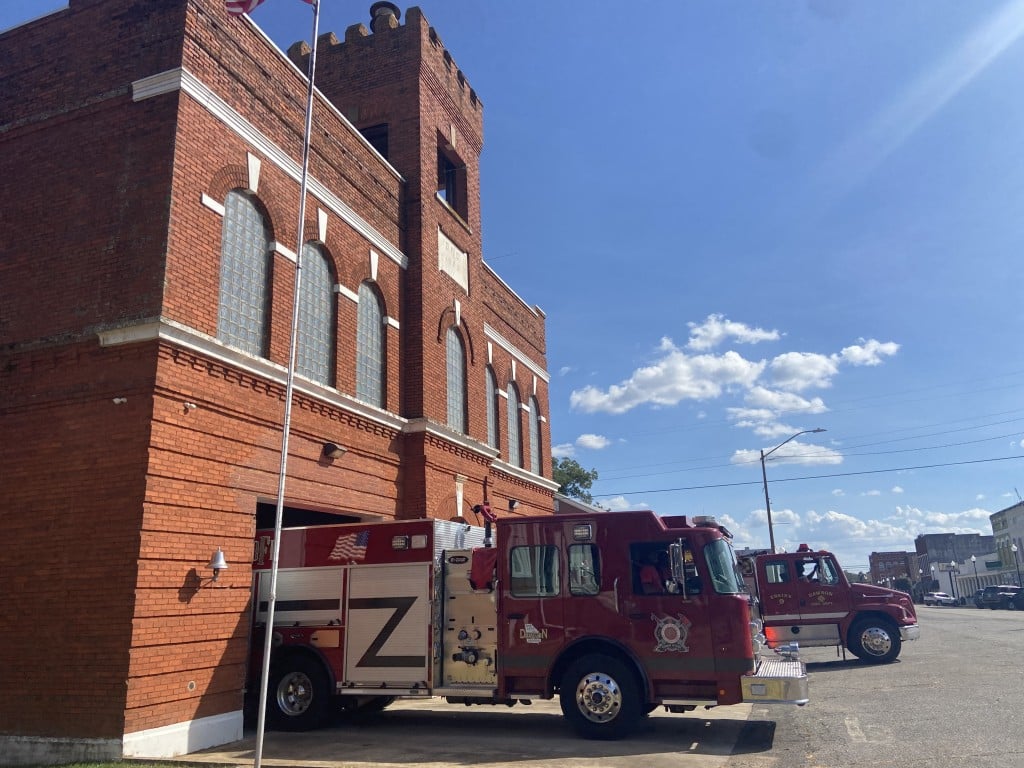
Dawson’s proposed fire tax district: What residents need to know
Dawson residents could soon see a new $8 charge on their monthly city utility bills to help pay for fire protection. That is the simplest way to describe what the Dawson City Council is considering. But the proposed ordinance would do considerably more than add another line item to a water bill.

Judges denies residency challenge; Edward Brown to claim Senate District 12 seat
An email ruling issue this week paves the way for Albany businessman Edward Brown to enter the Georgia Senate next year. A Superior Court judge denied candidate Corey B. Morgan’s challenge to Brown’s residency in the District 12 race.
