
Voting by mail is a popular choice for voters in June 9 Georgia primary
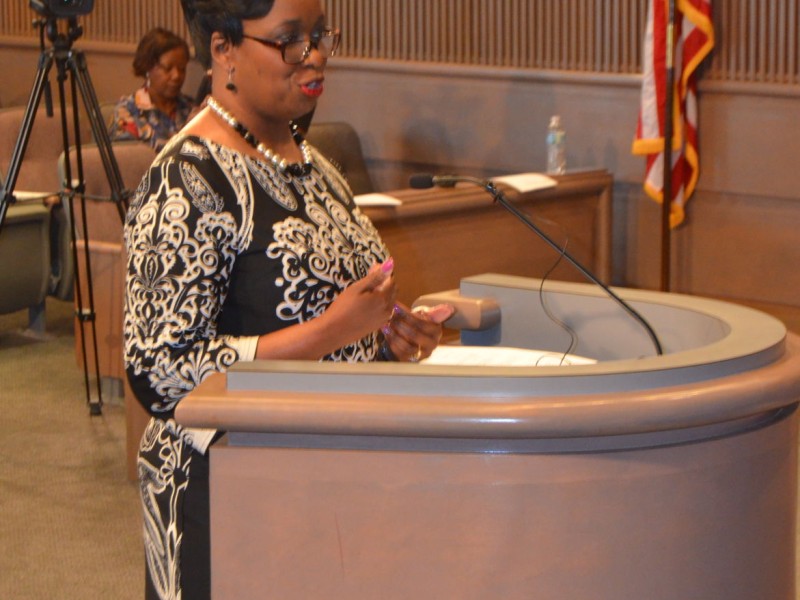
File Photo
By Alan Mauldin
[email protected]
ALBANY — A state primary election can be confusing in a normal year, but with some voters casting ballots for the first time with new machines and the coronavirus thrown into the mix, the uncertainty may be greater.
One area where the state and voters are on the same page seems to be that of voting absentee by mail.
Georgia Secretary of State Brad Raffensperger’s office has made an effort to promote voting by mail for the June 9 primary election, and as of Friday, more than 1 million voters in the state had requested absentee ballots.
The goal of promoting absentee voting is to keep voters and poll workers safe, both by delaying the election originally scheduled for May and reducing the number that shows up to vote in-person on election day.
The secretary of state’s office mailed notifications to all active voters in the state, letting them know that they have the option of voting by mail, Dougherty County Elections Supervisor Ginger Nickerson said. Georgia law allows all voters to cast absentee ballots by mail, and the mailings include an application for an absentee ballot.
That trend to vote by mail is evident locally, as well.
“We have received 4,126 absentee ballots,” Lee County Elections Supervisor Veronica Johnson said during a Friday telephone interview. “A normal election is a little over 700 for us.”
Voters in Dougherty and Lee counties also have the option of dropping ballots into a drop box, as well as mailing them in.
Raffensperger’s office contracted with a vendor that is mailing ballots to those who request them.
The process has led to a lot of calls from voters, as the instructions in the packet say to place ballots in a security envelope. That envelope, however, was not included, but there is a security sleeve in which voters can enclose their ballots.
However, votes will be counted regardless “as long as they put their ballot back in the envelope” with or without the sleeve, Johnson said.
While voters have until the Friday before the election to request an absentee ballot, that is pushing the possibility of receiving the ballot and having it mailed and delivered by the following Tuesday. Absentee ballots received after June 9 will not be counted.
While voters do not have to show an identification to cast absentee ballots, there are safeguards in place to ensure they are legitimate, Johnson said. Voters’ signatures are checked on both the application for a ballot and on the ballot itself.
That actually will mean more work for Johnson’s office, but she said it is worth the safety factor of limiting the number of voters who have to show up in person.
Georgia’s number of coronavirus cases are still increasing, with more than 1,000 new positive tests reported on Friday, so the disease likely will still be lingering into June.
Another issue that often confuses voters in a primary is that of the party format. Practically, that means voters must choose either a Democratic or Republican ballot in the primary.
That can mean that, in order to vote in a local race for sheriff in which the candidates are Democrats, the voter cannot vote for a Republican candidate in another contest.
“A primary, that’s by definition letting the parties select the candidates of their party,” said Colquitt County Probate Court Judge Wes Lewis, who also oversees voting for the county.
At one time, the primary contests were a party affair, but they are now conducted by the state after party officials qualify their candidates.
Georgia is different from some states in that voters are not required to register by party, meaning it has an open primary in which voters can choose either ballot.
However, a voter who chooses a Republican ballot for the June 9 election cannot cast a ballot in a subsequent runoff election in the Democratic U.S. Senate race.
Author

Related Articles
Albany Herald – July 7, 2026
Lee County stands alones without… DOT say delay in Oglethorpe Bridge… ASU’s Leah Cowen Selected for…

Classifieds – July 7, 2026
Albany Herald Classifieds: July 7, 2026
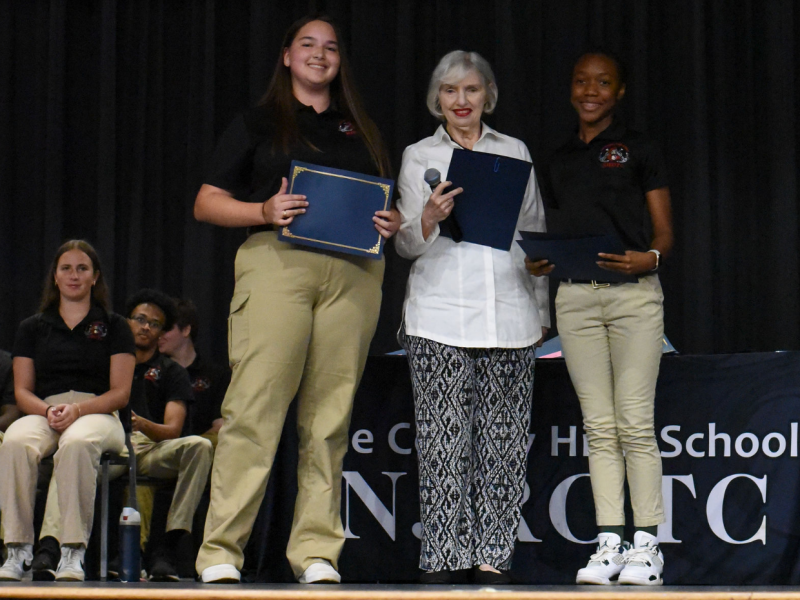
Lee County JROTC cadets honored by DAR for citizenship and leadership
Several Terrell County High School JROTC cadets were recognized for outstanding citizenship, leadership and service during the school’s recent JROTC Honors Night, receiving awards from the Old Herod Chapter of the National Society Daughters of the American Revolution.
