
Watering landscape plants in the summer heat
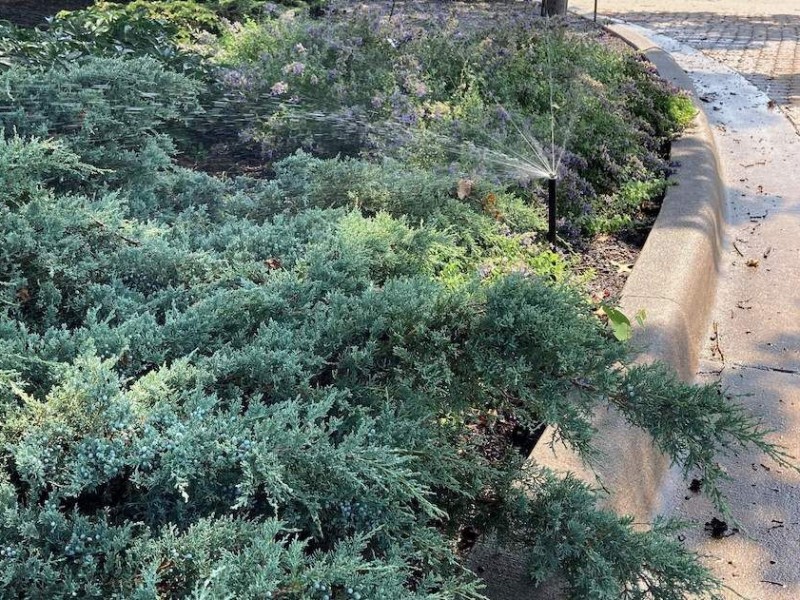
Special Photo: Sheri Dorn/UGA
By Sheri Dorn
UGA/CAES
GRIFFIN — As summer heats up, Georgians tend to worry about how hot it’s going to be and how dry. To properly care for the plants in our landscapes and gardens this Smart Irrigation Month, residents need to pay a little extra attention to temperatures and rainfall in order to supplement water when needed.
It is easy to get busy with summer activities and forget to water or even overwater our plants because we want to be sure they will survive the heat. Monitor rainfall amounts regularly and consider using reminders on your phone or calendar to check on your plants.
On average, plants need an inch of water per week for growth and development. Summer rainfall can produce this amount of water, but it may come all at once, in a short storm, and not truly soak into the ground. Checking weather apps or websites like the Georgia Weather Network can provide information about weekly rainfall and soil moisture, or you can monitor soil moisture the old-fashioned way — go outside, stick your finger in the soil, or try to dig up a scoop.
There are times when providing extra water is especially important for plant survival. When they are first installed, plants need water more frequently. Depending upon how the plant was produced and site conditions like sun exposure, wind, soil characteristics and temperatures, newly installed plants can require water daily until they root in enough to use water in the surrounding soil. As these new plants get established, the need to provide supplemental water decreases.
Providing supplemental water also can be strategic for older plants. Trees that have been planted for two or three years can benefit from supplemental water if summer conditions are hot and dry for extended periods of time. Some plants, like evergreen Chamaecyparis and Cryptomeria, thrive in moist soils. If the summer becomes hot and dry, these plants will experience stress. Under conditions of excess heat and dryness, entire sections of these plants will die, often leaving the plant badly disfigured. You will not realize their need for supplemental water until the damage is done. Instead, if we realize it’s been hot and dry for an extended period of time, we can provide essential water that will reduce plant stress.
Just as it is important to give plants enough water, it is equally important to avoid overwatering them. Too much water can lead to root rots and plant death, not to mention high water bills. Use the information available to you to make sound decisions about watering your plants.
We all want to be good stewards of our water, so it’s important to apply it efficiently and effectively. Remember to water late in the day or early in the morning. There are several ways we can get water to our plants, with varying levels of expense and effort.
Hand watering: If you need to get water to plants, the simplest solution is extending a hose or using watering cans.
Ollas: Ollas are unglazed clay pots set deeply into the ground with the neck just above soil level so that the pot can be filled with water. Slowly, the water in the olla seeps into the surrounding soil, providing supplemental moisture for plants that are in close proximity.
Soaker hoses: These hoses are designed to deliver water slowly over a broad area. They are especially helpful for providing supplemental water to larger planting beds or evergreen hedges. They soak the soil rather than wetting plant foliage, so they don’t typically contribute to foliage disease.
Sprinklers: Connected to a water hose, sprinklers can help get water to larger areas in a pinch, but they are not the best option for routine watering. Water can be lost to evaporation while the sprinkler is running, especially if it is run during the day, and plant foliage will likely be wet, increasing risk of disease.
Irrigation systems: Drip irrigation is an efficient way to get water to plant roots. Set zones and timers to deliver supplemental water only when needed. Connecting to rain gauges avoids running irrigation systems when it’s raining or when soil conditions are moist.
When it comes to keeping our plants hydrated and healthy, it always pays to follow good practices from the time of planting. Remember to properly prepare soil prior to planting so that root systems can get established. Incorporate organic matter, like compost, to improve the soil’s ability to retain moisture. Compost added to heavy clay soils improves drainage and aeration. Apply mulch around plants to protect them from trimmer and lawn mower damage.
As you enjoy your summer and your landscape and gardens, take a few minutes to consider the water needs of your plants. Timely application of water in the proper amounts can keep them healthy and beautiful, protecting your investment.
Author

Related Articles

Congress weighs packaging bill with implications for Albany manufacturers
A congressional hearing this week on proposed national packaging-labeling standards could have implications for several of Southwest Georgia’s largest manufacturers, many of which produce or package products shipped across state lines.

Dougherty County Sheriff’s Office, GBI investigate inmate death
“The sheriff’s office will conduct an administrative investigation to determine if the staff response was appropriate. We have requested that the GBI conduct an investigation.”
Residents’ safety concerns defeat request to privatize Plantation Road
The Terrell County Board of Commissioners rejected a request July 7 to remove Plantation Road from the county road system after nearby residents warned that closing the roadway could leave them without emergency access when adjoining roads flood.
