
A new generation takes the field in southwest Georgia
At Daniels Kennels on Saturday, the lessons moved from checking dogs’ feet to tying knots, giving horses room and handling a loss. Professional trainers were teaching young people how to compete in field trials — and the daily responsibilities that come with a sport built around animals.
Youth field trials expand as a Dawson clinic teaches animal care, outdoor skills and sportsmanship
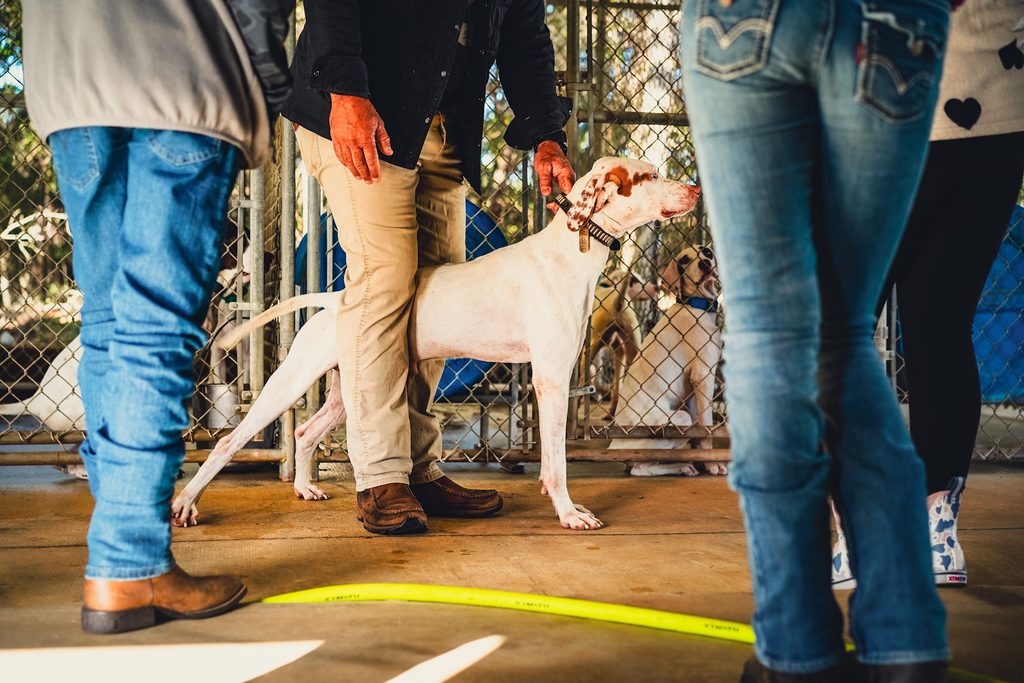
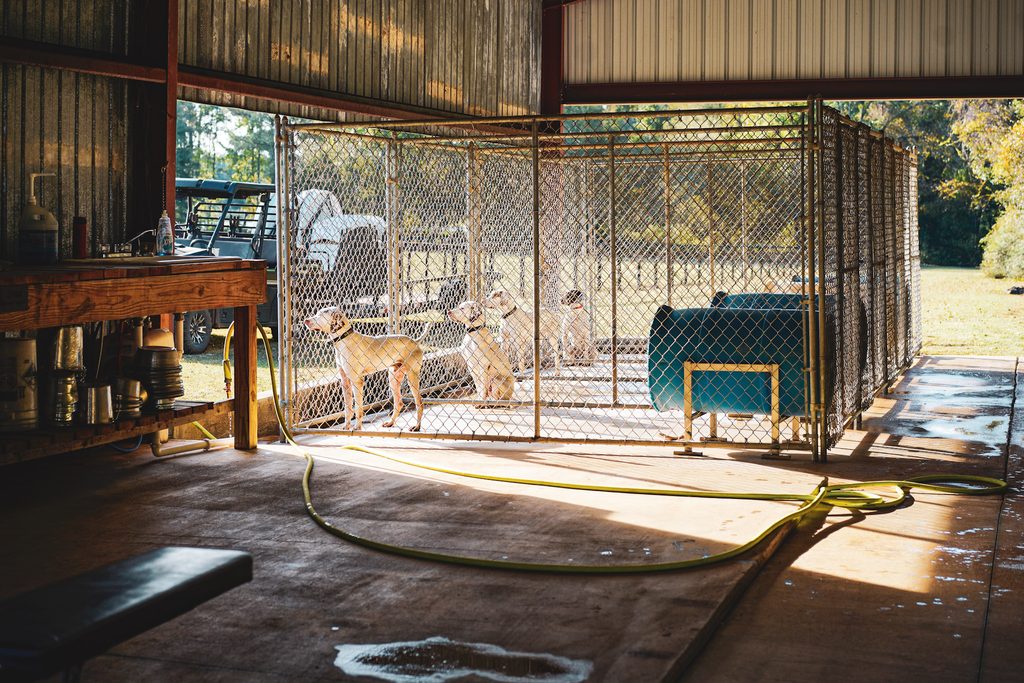
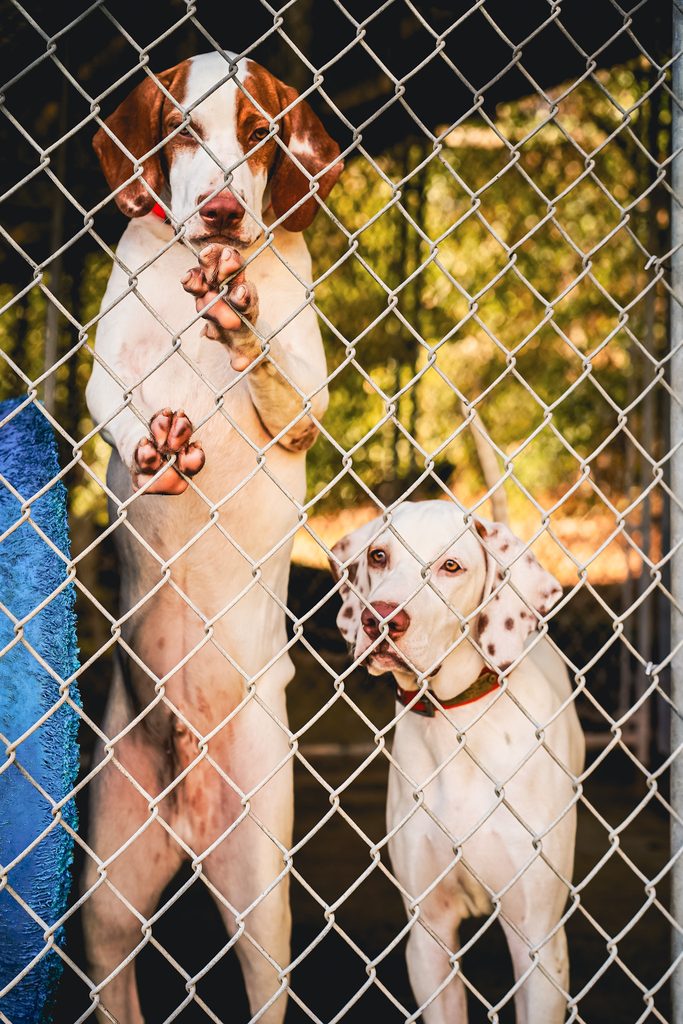
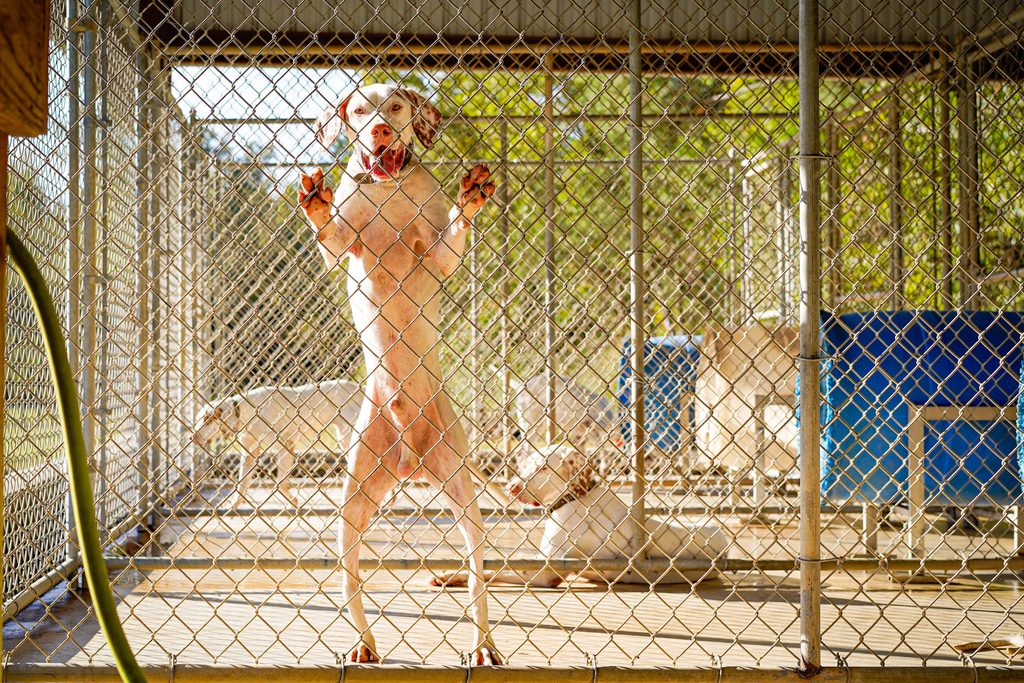
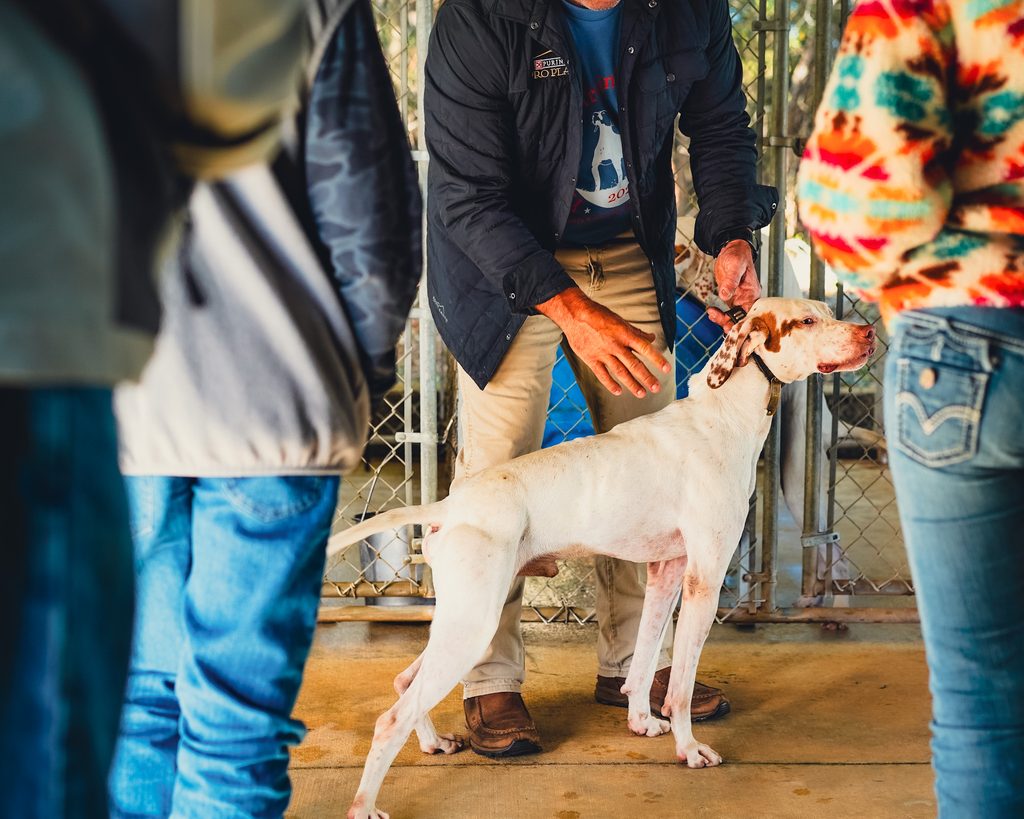
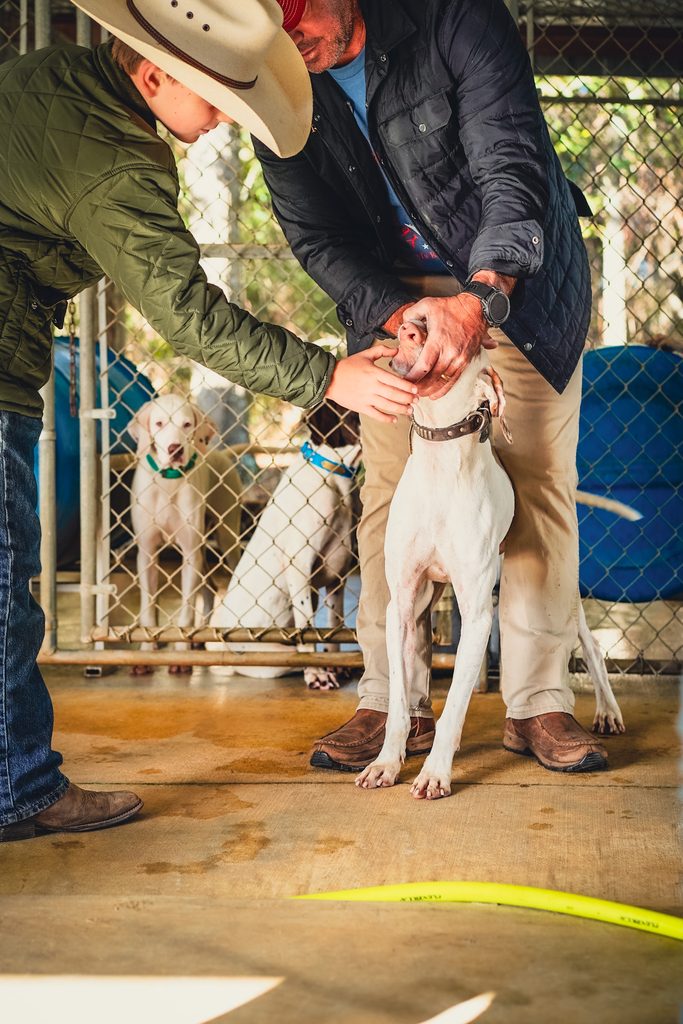
DAWSON — Before the children could compete with a bird dog, they had to learn to notice what the animal could not tell them: a sore foot, a change in drinking habits, a small spot of blood that might otherwise go unseen.
At Daniels Kennels on Saturday, the lessons moved from checking dogs’ feet to tying knots, giving horses room and handling a loss. Professional trainers were teaching young people how to compete in field trials — and the daily responsibilities that come with a sport built around animals.
“They can’t tell you what’s wrong with them, so you have to really pay attention,” trainer Jamie Daniels told the children.
The Oct. 17 training and handling clinic near Dawson was part of an effort to bring more young people into a sporting tradition with deep connections to southwest Georgia’s bird dogs, horses and quail country. As youth field trials reach new communities, organizers are working to turn an introduction outdoors into lasting participation.
“It’s growing every year,” Chris Mathan, a director of the Youth Field Trial Alliance, which sponsored the clinic, said.
The alliance reports that youth trials expanded or gained recognition during the past season in Connecticut, North Carolina, Tennessee, New Jersey, Pennsylvania and Oklahoma, with Wisconsin among the areas preparing to join. It identifies Alabama, southwest Georgia and north Florida as places where youth participation has taken a strong hold.
That expansion comes with a challenge: The broader field trial community is aging, the organization says. Bringing children into the sport is central to its future.
The growth has a local example. A spring 2026 feature in Magnolia and Moonshine magazine reported 28 entries at a recent youth trial near Albany, the largest youth event that club had hosted. That account and the alliance’s expansion into more states point to growing opportunities for children, even as organizers work to recruit the next generation.
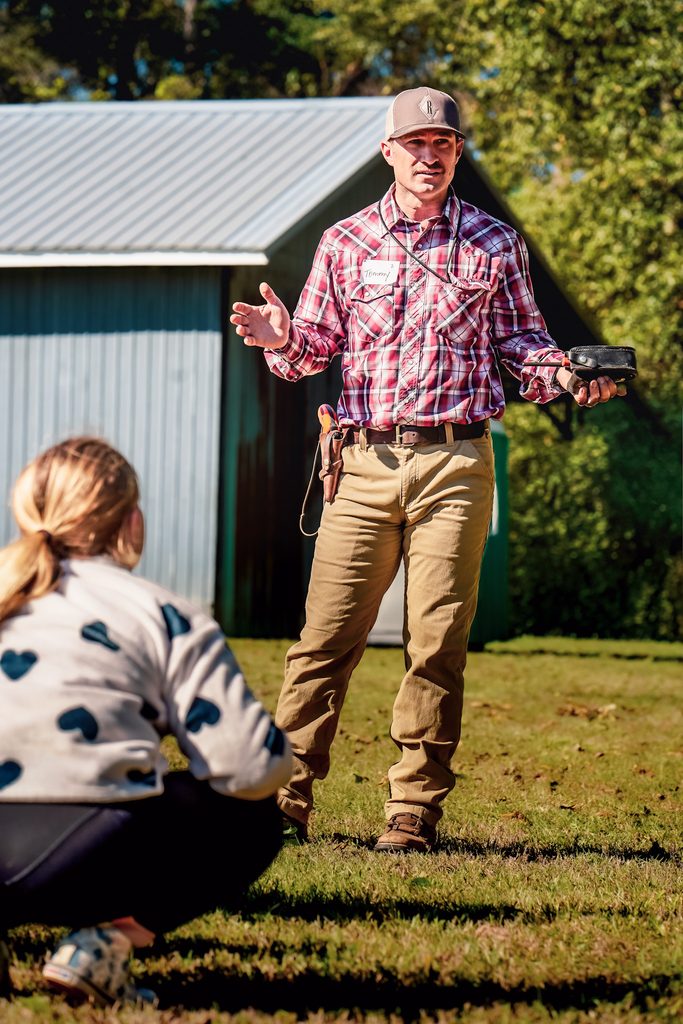
For trainer Tommy Rice, who grew up in Thomasville and now lives south of Albany, there is room for people whose families have never participated.
“There’s no doubt about it, we need a lot of new people, and there’s room for all,” Rice said.
Launched in 2019 and granted nonprofit status in 2023, the alliance supports youth participation nationwide. Its leadership includes Mathan, Claudia McNamee and Allison Daniels, an Albany financial adviser who lives in Dawson with her husband, Jamie, and their children. The organization says more than 50 volunteer ambassadors support its work.
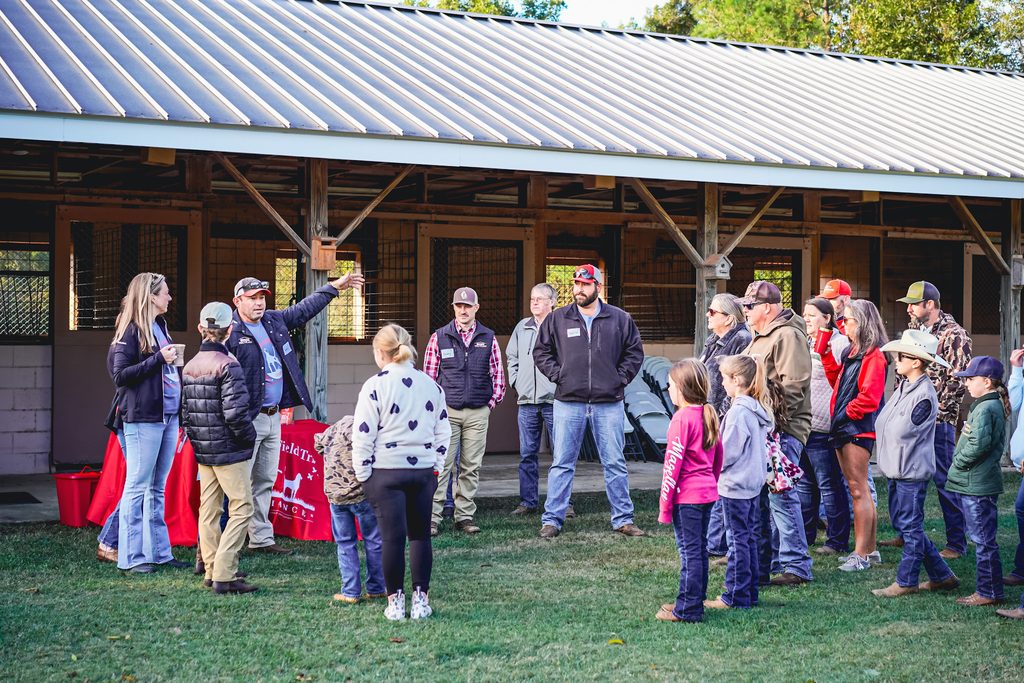
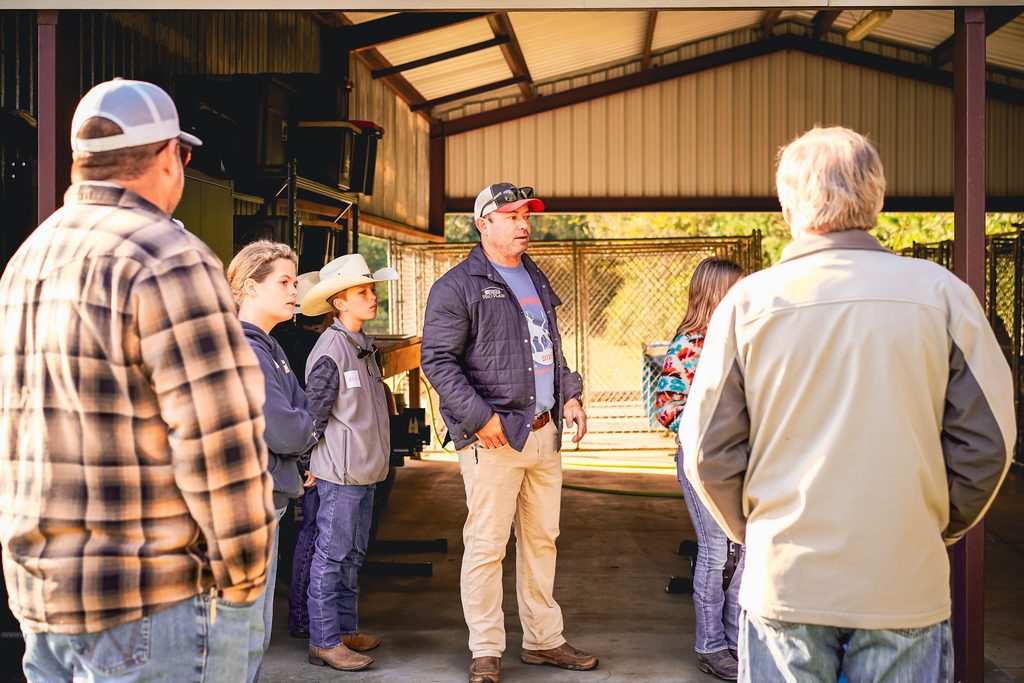
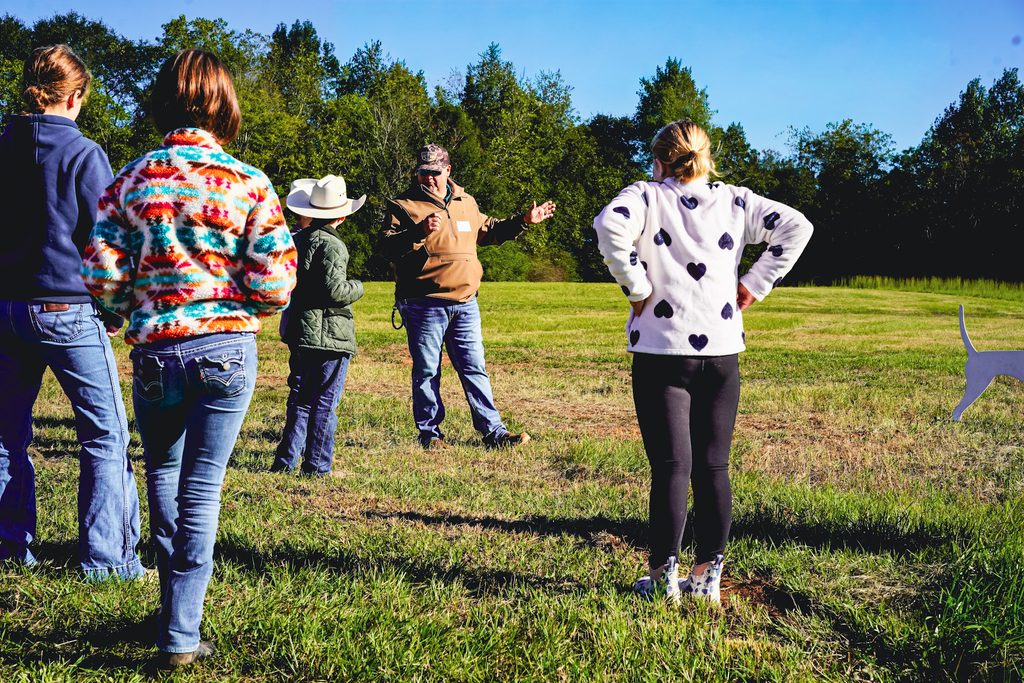
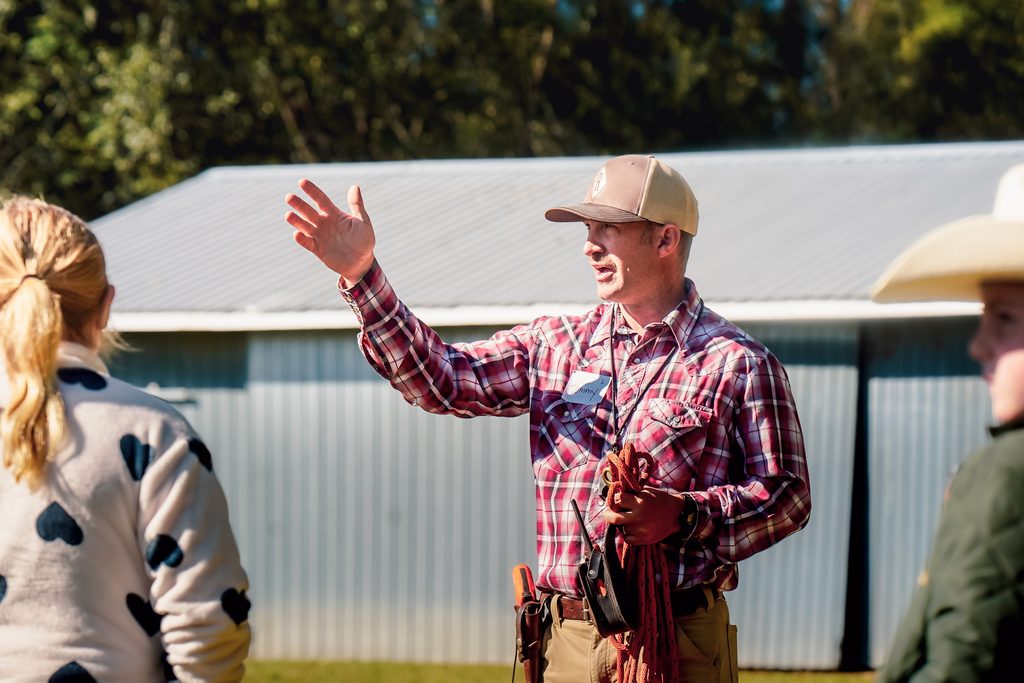
Saturday’s clinic brought that effort to a working kennel. The program listed Jamie Daniels, Rice, Tracy Swearingen and Squire Lee as instructors, with young handlers rotating among four teaching stations. Participants were told to leave their own dogs and horses at home.
The morning offered an introduction to the work behind a competition, from preparing equipment to understanding what judges watch.
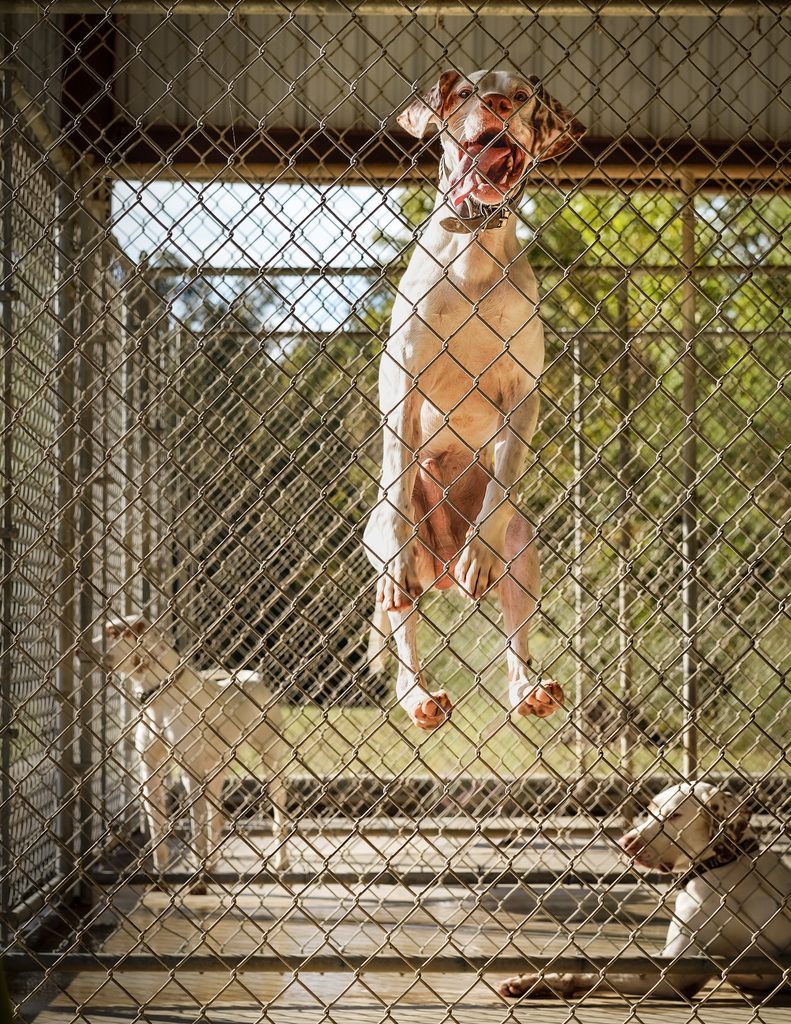
In pointing dog field trials, dogs search for birds and hold a point when they locate them. Handlers guide their dogs on foot or horseback, depending on the event. Judges evaluate the dogs’ work, including their ability to find birds, cover ground and respond to handling.
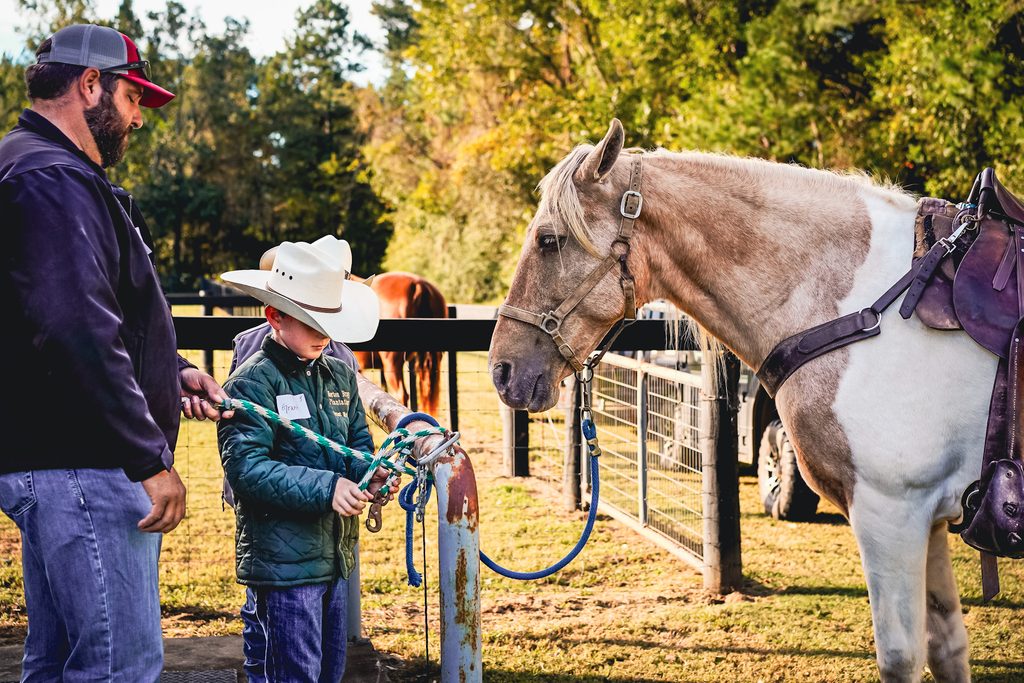
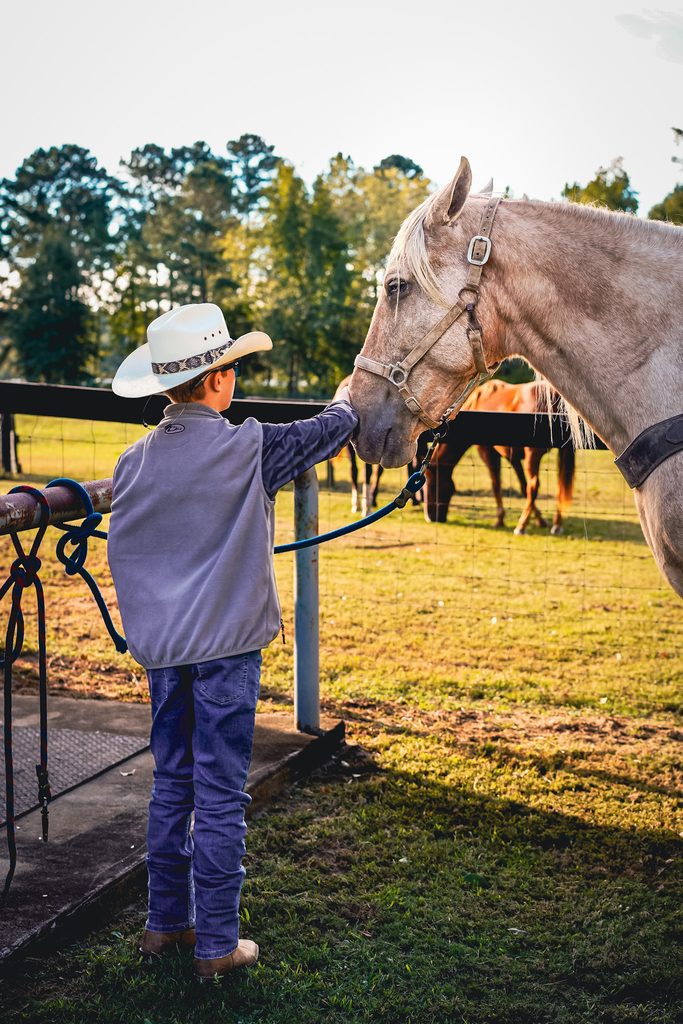
The horse and handler are part of that performance. Rice explained that the direction a horse faces can help tell a dog where to go. A handler’s voice can keep the dog connected even when they are some distance apart.
“All you’re doing is letting your dog know where you are,” he said.
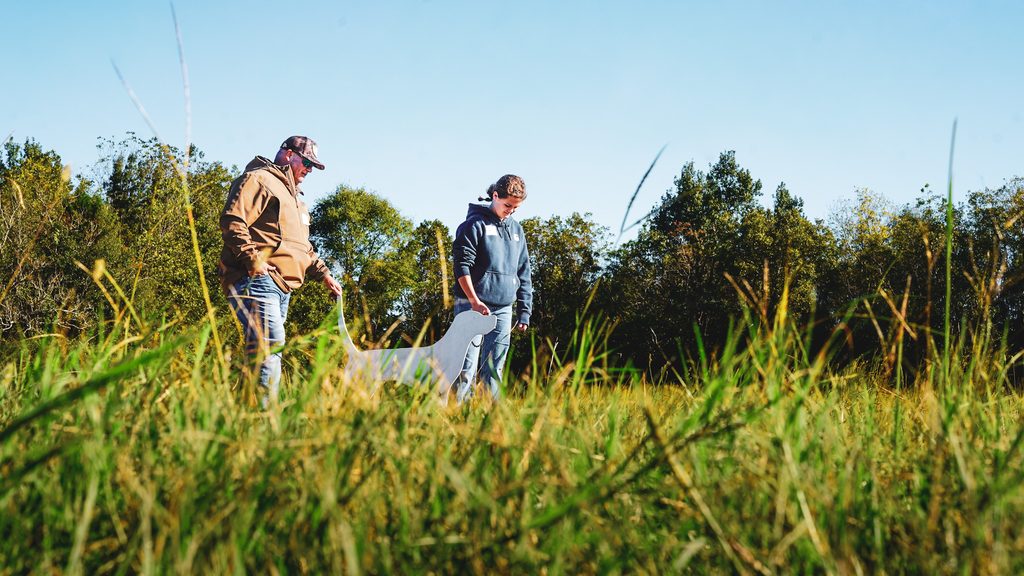
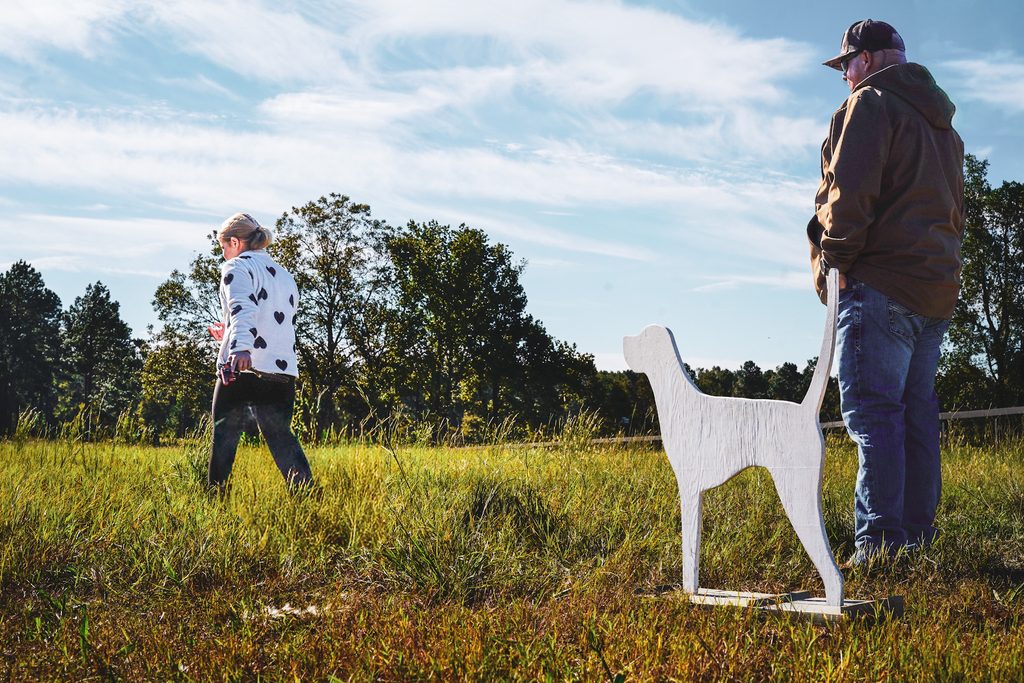
At his station, children took roles in a demonstration of what happens when one dog points and another stops in response, known as backing. Rice walked them through when to approach, when to wait and how to communicate with the other handler before flushing a bird.
The exercise required them to think about another competitor’s dog as well as their own. Acting too soon could interfere with someone else’s work.
“Respect everybody that’s out there,” Rice said. “Respect other people’s dogs.”
Those expectations extended to the people watching. At the horse-care station, participants learned to leave room between mounts and keep a path open for scouts helping handlers locate their dogs. Spectators, known as the gallery, also had to pay attention.
Allison Daniels compared the spacing between horses to leaving enough distance between cars.
“We want everybody to have a good time,” she said. “We want everybody to be safe, and part of that is you paying attention to the people in front of you.”
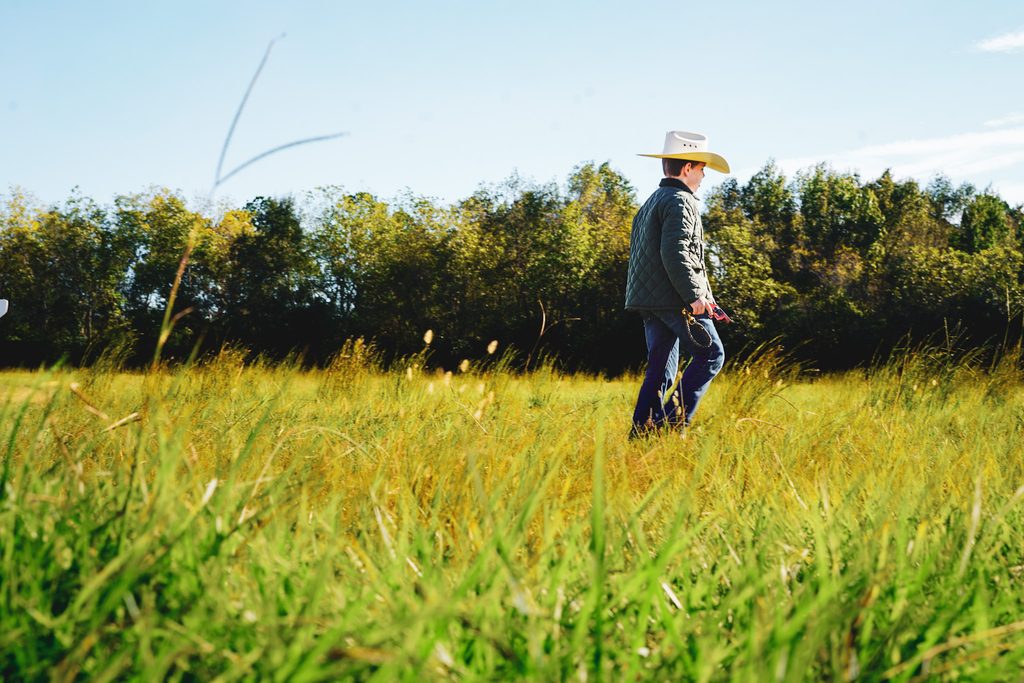
Children practiced knots and watched demonstrations of saddle equipment and hoof care. In another session, they practiced moving through cover to flush birds and returning their attention to the dog.
For Jamie Daniels, the instruction began well before a dog entered a trial.
He described a daily routine of checking kennels, water consumption and signs of illness, then inspecting dogs after exercise. A dog eager to work, he explained, might not make an injury obvious.
Daniels recalled finding a small spot of blood on a dog’s foot before a national championship. Closer inspection revealed a stick embedded in the foot. The experience illustrated why a handler must look beyond whether a dog appears willing to run.
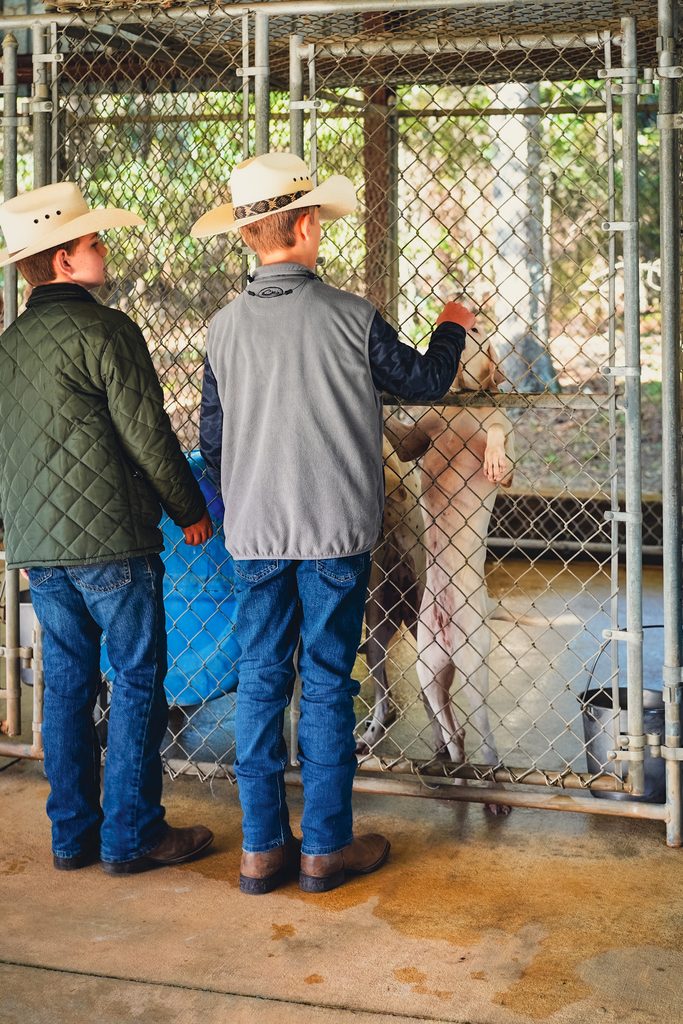
He also talked about raising puppies and helping them become comfortable around people. Children were encouraged to give treats to the dogs, spreading their attention beyond a favorite puppy.
“We’re training them; they gotta like people,” Daniels said.
The kennel lesson connected the excitement of working with a young dog to the obligation of caring for it as it grows older. Daniels reminded participants that the work continues after the newness wears off.
For organizers, that steady involvement is one of the sport’s educational strengths. A child has to observe an animal, recognize what it needs and learn how personal decisions affect its performance and well-being.
“They all learn so much from each other,” Allison Daniels said. “And the things I feel like they can learn in the outdoors is the most beautiful thing about it.”
The learning also crosses generations. During the clinic, Mathan pointed to the range of ages involved and the relationships between children and their grandparents. Adults who have spent years handling dogs were explaining skills the children could practice themselves.
The alliance’s own leadership reflects those connections. Allison Daniels grew up attending field trials; her father, David Williams, is a Field Trial Hall of Fame inductee. Jamie Daniels breeds, trains and handles pointers and manages quail plantation properties in southwest Georgia.
Mathan, whose background includes photography and design, has documented field trials around the country. She now lives in Pavo, near Thomasville, and oversees the alliance’s marketing and communications.
The challenge is making a familiar world accessible to people outside it. Rice said families often learn about field trials through previous generations, but he encouraged newcomers to contact participants and experience a trial.
Sallie McHugh, a parent at the clinic, described a different route into the sport. She teaches, her husband farms, and the family began participating about four or five years ago as a hobby. Her daughter’s interest brought together two things she enjoyed: horses and dogs.
The alliance emphasizes mentorship as a way to help that interest develop. Mathan urged experienced participants to include young people when working dogs, involve them in clubs and give them responsibilities at trials.
“You have to do it to learn, and much of that learning comes from making mistakes,” she said.
Rice’s instruction made room for those mistakes. He explained how to prepare a tracking collar, carry water, watch the clock and show a dog’s good work to a judge. He also reminded the children that a competition does not always end with the result they want.
Judges consider a range of qualities, he said, and handlers cannot control every opinion. They can decide how they treat their animals, their opponents and themselves afterward.
“If they do what I want them to do, I’m happy with them, no matter what the judges think,” Rice said of his dogs.
For children learning a sport, he offered a measure of success they could carry home whether they won or lost.
“If you’re happy with your dog, that’s the most important thing,” he said. “Just go home, work on your weaknesses to make them your strengths.”
Related Articles
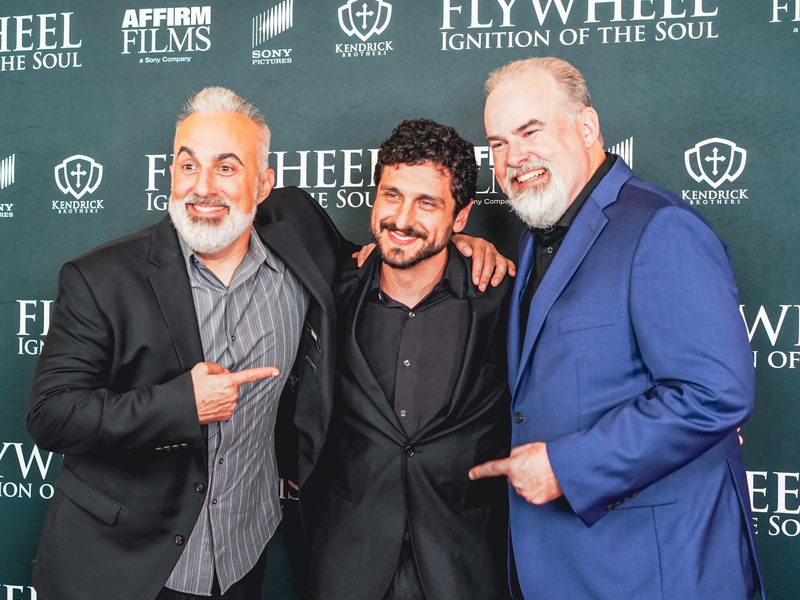
‘Flywheel’ comes home as Kendrick brothers bring Brazilian remake to Albany
Twenty-three years after a $20,000 movie made with church volunteers launched their filmmaking careers, Alex and Stephen Kendrick returned Thursday to the Albany theater where “Flywheel” first reached an audience — this time with a Brazilian cast telling the story.
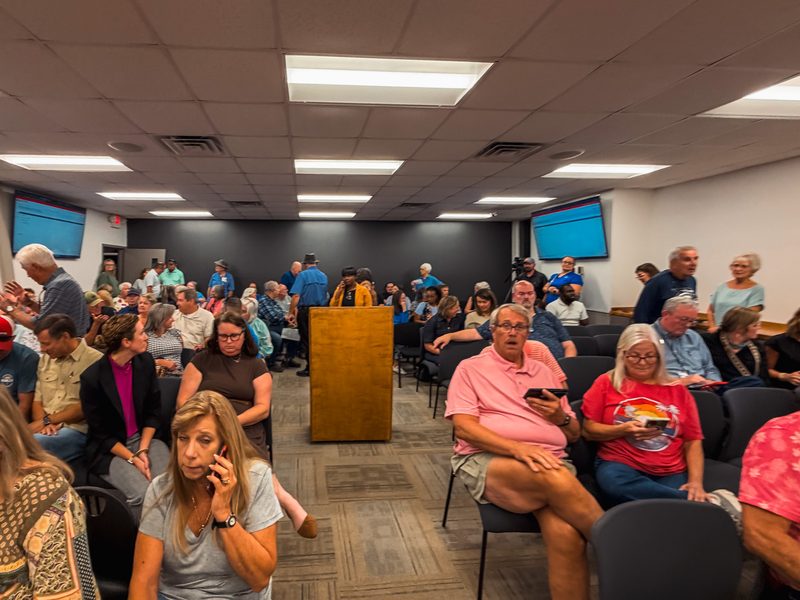
Heated exchanges, lengthy delays precede Lee school board’s 17.96-mill vote
The Lee County Board of Education adopted a 17.96-mill operating tax rate Thursday after a crowded public hearing and a lengthy wait for a vote that left frustrated residents at the meeting until close to 9:30 p.m.
Turnout steady during first week of early voting in Dougherty County
Early voting started statewide on Tuesday, giving voters three weeks to cast ballots ahead of the Nov. 3 election.
