
BILL YEARTA: Legislature returns for 2023 session
By Bill Yearta
Jan. 17 marked the beginning of what the legislature refers to as “budget week.” The only thing that we are constitutionally required to do during our 40-day session is pass a balanced budget. While balancing a budget seems simple enough, when dealing with billions of dollars, it can be quite challenging.
Over the last week, House and Senate Appropriations Committees held a series of joint budget hearings, which gave us the chance to closely examine Gov. Kemp’s recommendations. As our state’s fiscal year begins July 1, we are in the first stages of crafting two budget bills: The full 2024 Fiscal Year budget and the 2023 Amended Fiscal Year budget.
Budget week is arguably the most important week of the session. This begins the process of how we decide to spend your hard-earned taxpayer dollars. Georgia, very smartly, works on a zero-based budget system. Zero-based budgeting means we toss out a portion of the current budget annually and start with a fresh slate.
Presenting before a joint hearing of the House and Senate Appropriations Committees, Gov. Kemp made his recommendations for the state budget. Changes to the 2023 budget will reflect a more accurate estimate of state revenue obtained over the last year while accounting for discrepancies between the projected estimate and actual revenue received. Highlighted below are a few of the suggested spending changes, which includes a taxpayer refund proposal:
· $1 billion in undesignated regular surplus to be used to provide refunds for all taxpayers ranging in amounts between $250 and $500;
· $1.1 billion to create a one-time Homeowner Tax Relief Grant program, for eligible homeowners;
· $25 million for learning loss grants to create programming that is geared toward closing learning gaps due to the pandemic;
· $166.7 million for the state’s Regional Economic Business Assistance program;
· $35.7 million in existing funds for the OneGeorgia program to establish a Rural Workforce Housing Fund;
· $115 million in the amended budget to provide school safety grants to every K-12 school across our state;
· $130 million to develop two new QuickStart EV training facilities overseen by the state’s technical college system;
· $8.4 million to pay for additional caseworkers to redetermine Medicaid eligibility;
· $34.6 million for a statewide public safety radio network that would allow state and local law enforcement to communicate on multijurisdictional operations.
Last week, Gov. Kemp announced that the 2024 fiscal year budget proposal is set for an estimated $32.4 billion. The governor listed his funding recommendations, and as expected, education and health care remain at the forefront of budget funding. Public safety, transportation and general government round out the top spends respectively. Some of the highlights of the 2024 FY budget proposals are:
Education
· $1.1 billion in direct funding for K-12 schools;
· $61.2 million to fully fund the Georgia’s HOPE scholarship and grant awards;
· $2,000 pay raise to certified personnel within our school systems;
· $15 million in grant funding to incentivize paraprofessionals obtain their teaching certification;
· $26.9 million toward enhanced student mental health programs.
Health care
· $52 million to implement the Georgia Pathways Coverage program to expand health insurance access to the uninsured;
· $3.2 million pay for additional caseworkers to redetermine Medicaid eligibility;
· $92 million to support the state’s reinsurance program;
· $13 million to expand behavioral health and substance abuse crisis capacity through additional behavioral health crisis centers.
Public Safety
· $25 million to prepare a new state prison;
· $26 million in bond funds to address emergency maintenance and repairs on existing facilities and prisons.
· $3.2 million in a loan repayment plan for 800 state and local law enforcement officers.
Transportation
· $119 million for the Department of Transportation to reflect projected FY 2024 motor fuel revenue collections;
· $51 million for the Transportation Trust Fund for transportation projects.
Although budget week has technically come to an end, our work is far from over. A House Appropriation subcommittees will further study budget proposals, eventually passing portions of the suggested budget out of their respective committees. Following this process, those individually passed budgets will then go before the full House Appropriations Committee. Soon after, the budget will receive a full vote on the House floor.
When passed by the House, it then moves over to the Senate, where the process begins all over again. The Senate will either agree with House proposals or make their own changes. Once both chambers agree on the budget, it goes to the governor’s desk for his approval and signature.
As always, if you have questions or concerns, feel free to contact me anytime. Please continue to look for future updates covering the latest news from under the Gold Dome. Thank you for allowing me the honor and privilege to serve our home in this capacity.
Author

Related Articles
Chamber celebrates new businesses, invites community to Coffee and Connections event
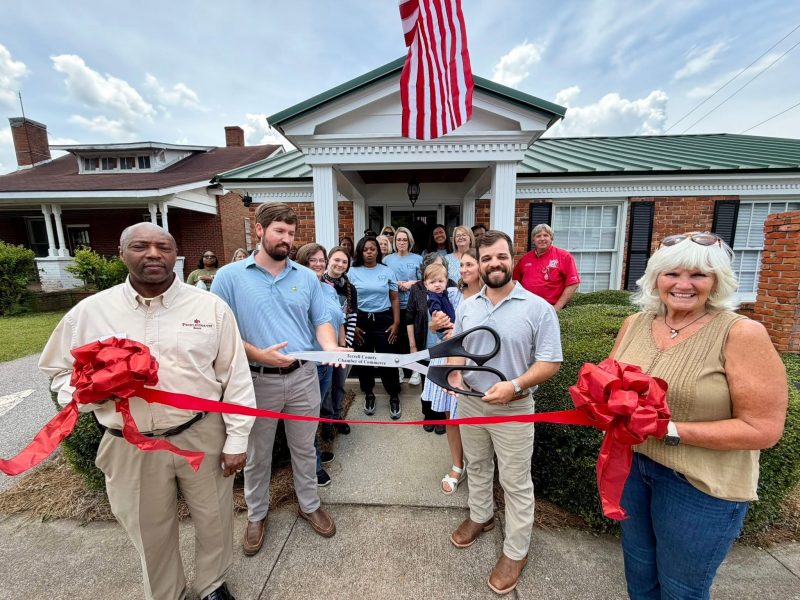
The Terrell County Chamber of Commerce is continuing its efforts to strengthen local business relationships through community celebrations and networking opportunities, recently recognizing two new businesses with ribbon-cutting ceremonies and announcing its next “Coffee & Connections” event in Sasser.
Regional catering business finds new home at Warrior Creek Mercantile
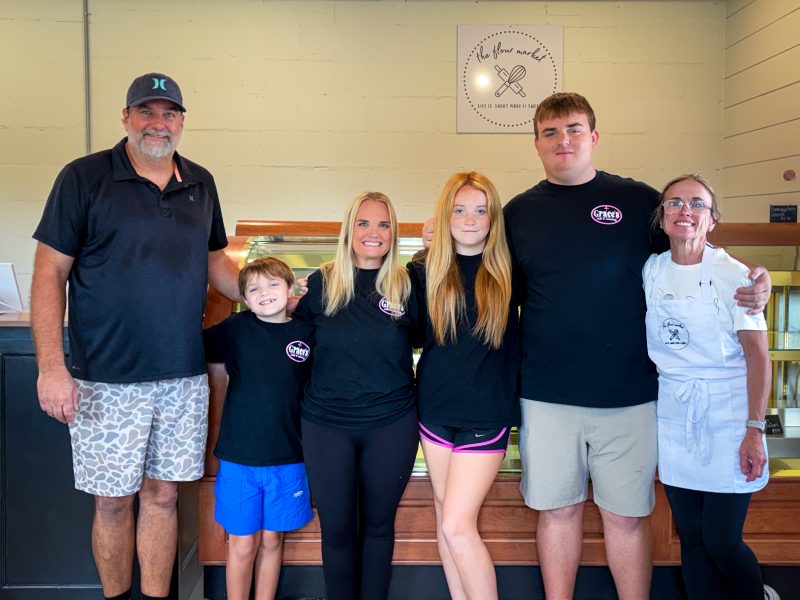
For months, Marchbanks said she had been asking God for an opportunity to serve others. “I just kept praying, ‘God, use me as a servant,'” she recalled. “I didn’t care what it was. I just wanted to be used to help people.”
Houston, Ford advance in contentious Lee County school board race
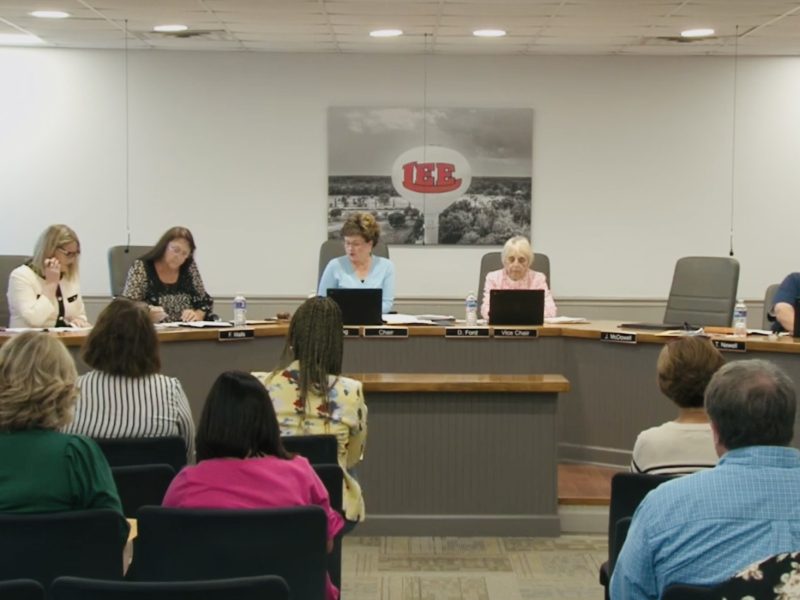
According to unofficial election results, challenger George Parrish Houston led the three-candidate field with 534 votes, or 42%, followed by incumbent Donna Ford with 478 votes, or 37.6%. Candidate Lavendra Shootes received 261 votes, or 20.5%.
