
CARLTON FLETCHER: There are some things that time can never erase
By Carlton Fletcher
[email protected]
One of the casualties of the prolonged coronavirus pandemic, as we all stayed inside our homes as much as possible, was human interaction. Chance meetings between old friends or even acquaintances became things of the past.
That’s why catching up with one of my oldest and closest friends recently left me with a prolonged buzz that’s brightened my prospects on getting back to a life that is at least somewhat “normal.”
“Preach” is not like anyone else I know. And our bonding came about under highly unusual circumstances.
I was part of a group conversation several years back, and this one guy, I noticed, kept coming up with some of the most clever responses to the topics being discussed among all those gathered. He and I happened to meander off in the same direction when our group chat broke up, and we started freestyling, that is, talking about nothing of substance, jumping from one topic to the next. Somehow, we landed here:
“You know why my people give their kids those long, unpronounceable names with all kinds of hyphens and apostrophes in them?” he asked. Frankly, I wondered if this was territory I wanted to venture into. So I shrugged my shoulders, then mumbled something about “heritage.”
“Nah, man, you’ve got it all wrong?” Preach said. “We just want to pi — you white folks off.”
I was caught flat-footed for a moment, then I busted a gut laughing. I think that was the reaction he wanted.
When I got my breath, I asked him: “You know why us white people haven’t tried to assimilate that part of your culture into ours, like we seem determined to do everything else?”
It was his turn to hesitate, unsure where I might be heading.
“We don’t know where the apostrophes go,” I said, and again we laughed long and loud. And in that laughter our friendship was cemented.
Over the following years, Preach and I spent as much time together as we could. Both of us went in different directions — personally and career-wise. But when we talked — especially when we met up and had the opportunity to spend time together — it took only moments for us to fall right back into that close camaraderie that I’ve found rare in my lifetime.
Preach and I laughed a lot; we both tried our best to shock each other, often using our racial and cultural differences and similarities to create our own kind of humor, a humor we didn’t (or at least I haven’t) share with anyone else. It was ours.
Often, Preach tried to clue me in on what he called “black folk ways,” and I offered in return the “ways of white folks.” (It became our thing to argue over the “s” in “folks” before we’d get down to the business of teaching each other.)
“You know, Fletch,” Preach told me one day when we had an actual opportunity to sit and chat. We had thrown a football around long enough to get sweaty, so we got a cold drink and sat in some shade. “I know you think we have a lot in common because we both grew up poor, but there are cultural barriers that we’ll never be able to cross.”
I asked him for an example, and he told me something that to this day leaves me a little sad and a lot confused.
“You know what my grandma told me when they first integrated schools in the county?” he asked. I just looked at him. “She told me — and, remember, this is my grandma who helped raise me even though she was in her 70s and 80s — that when I started school with the white folks, I could not pass gas around them.”
I looked at him, expecting him to laugh, but he didn’t. Just the opposite, he got a sad, far-off look in his eyes. I remained quiet.
“Granny told me if I passed gas around white people, soot would come out of my behind,” he said. “I was a little boy at the time, and anything my Granny told me was law. But it took me years to get beyond that old wives’ tale that actually haunted me for years.”
We sat there silently for what seemed like a long time, then I punched him on the arm and said something stupid like, “Your Granny may have been right, but when you let one rip, I don’t want to be close enough to see what might come out.”
He laughed a little at my attempted joke, but then he grew very quiet. A little while later we went our separate ways.
I think about that story every time I see, hear from or think about Preach now. I think about how sad it made me feel. In the interim years, I’ve told him some of the horror stories of my upbringing, and while most of these stories are things I’ve never told anyone else, there’s something in the telling that’s made this man an important, fundamental part of my life. And I can’t wait to see him again.
Related Articles
Chamber celebrates new businesses, invites community to Coffee and Connections event
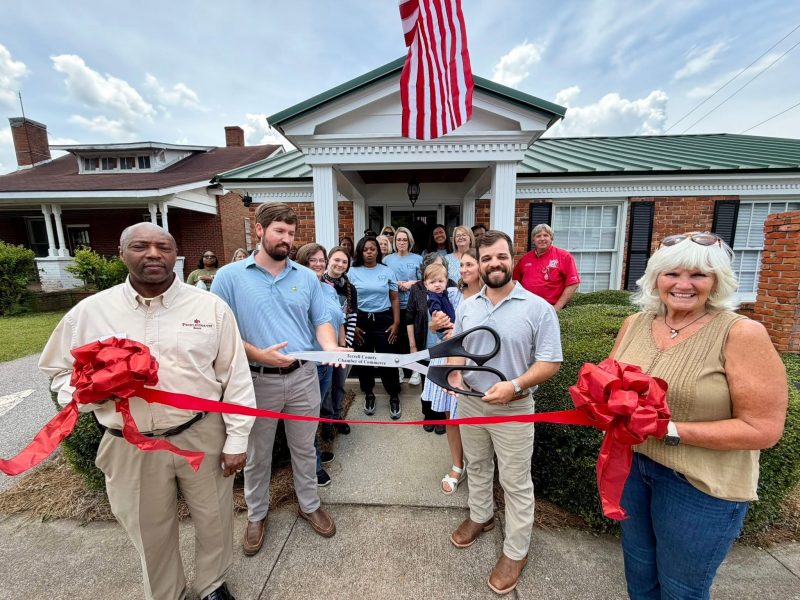
The Terrell County Chamber of Commerce is continuing its efforts to strengthen local business relationships through community celebrations and networking opportunities, recently recognizing two new businesses with ribbon-cutting ceremonies and announcing its next “Coffee & Connections” event in Sasser.
Regional catering business finds new home at Warrior Creek Mercantile
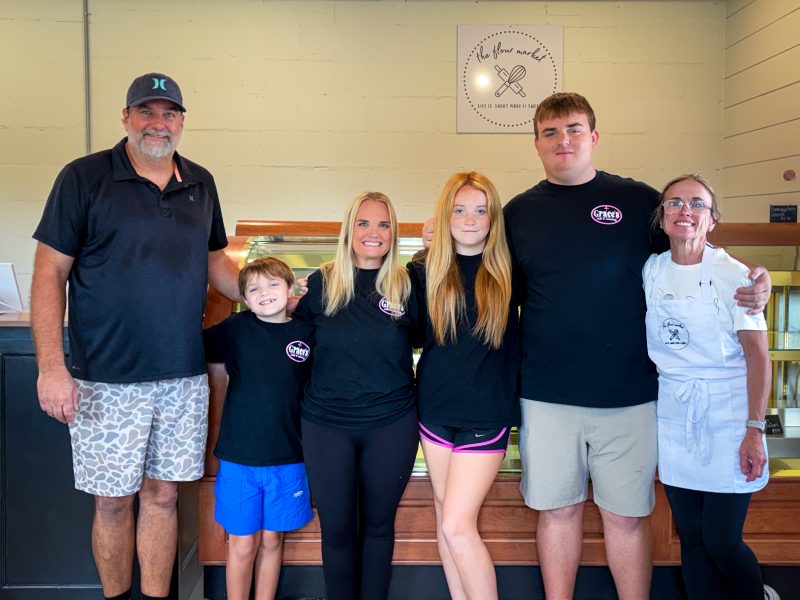
For months, Marchbanks said she had been asking God for an opportunity to serve others. “I just kept praying, ‘God, use me as a servant,'” she recalled. “I didn’t care what it was. I just wanted to be used to help people.”
Houston, Ford advance in contentious Lee County school board race
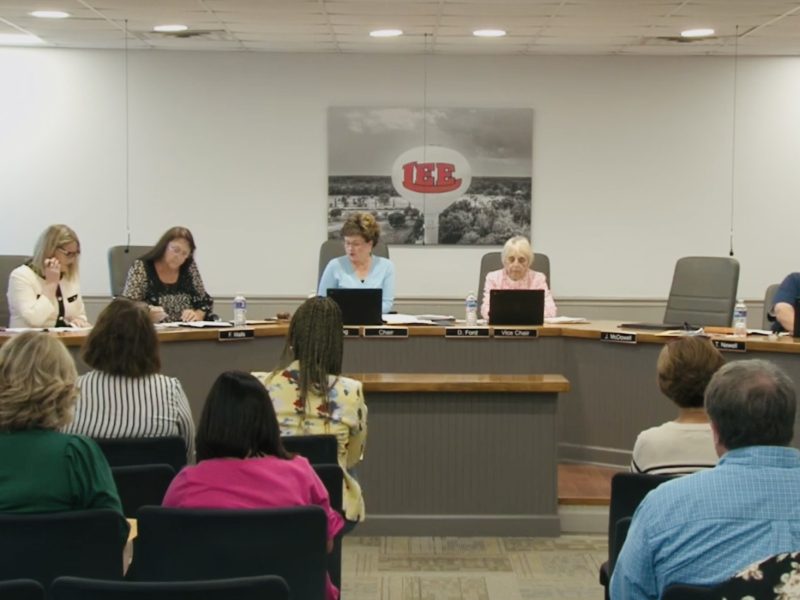
According to unofficial election results, challenger George Parrish Houston led the three-candidate field with 534 votes, or 42%, followed by incumbent Donna Ford with 478 votes, or 37.6%. Candidate Lavendra Shootes received 261 votes, or 20.5%.
