
MICHAEL LOMAX: Disney’s ‘The Jungle Book’ restores faith in movies
FILM REVIEW: Disney’s latest is simplicity with a big budget
By Michael Lomax
When you commit yourself to writing movies and articles about movies, it’s easy to get discouraged. Hollywood can be maddening sometimes. The powers that be have billions of dollars at their disposal, and yet we far too often are treated to a steady stream of ill-conceived sequels and remakes that coast on their source material to draw at the box office. Critically, a lot of these movies are garbage. But every now and then you go into one with little expectation and find yourself refreshed and even invigorated. “The Jungle Book” is that movie.
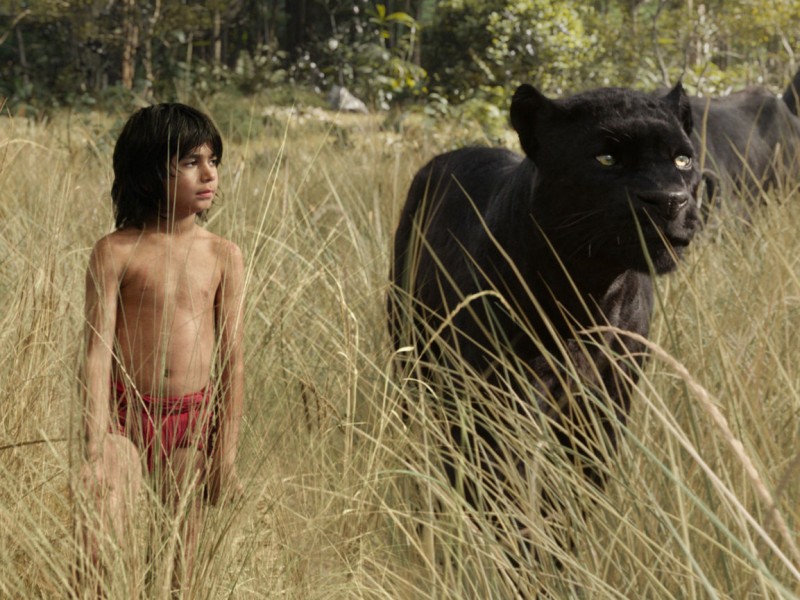
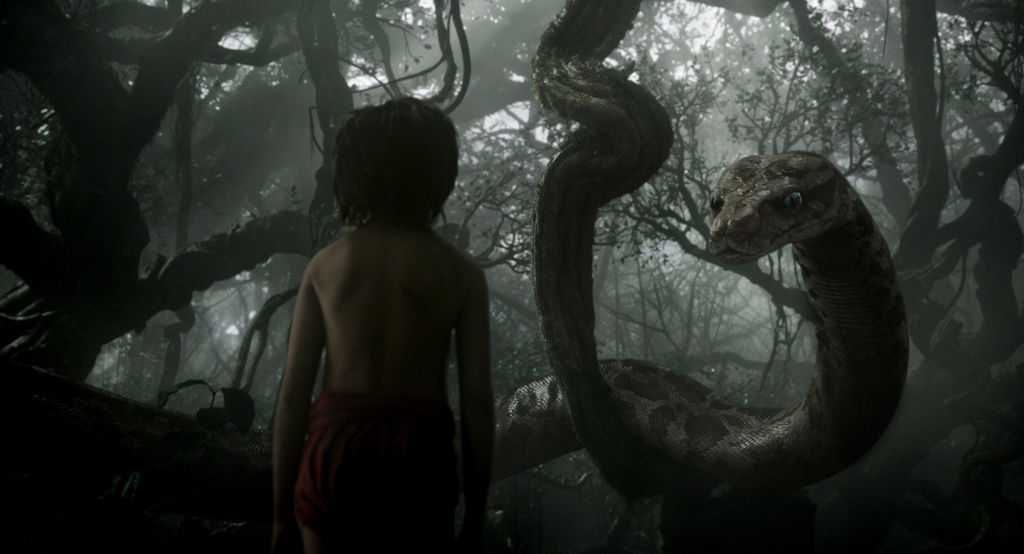
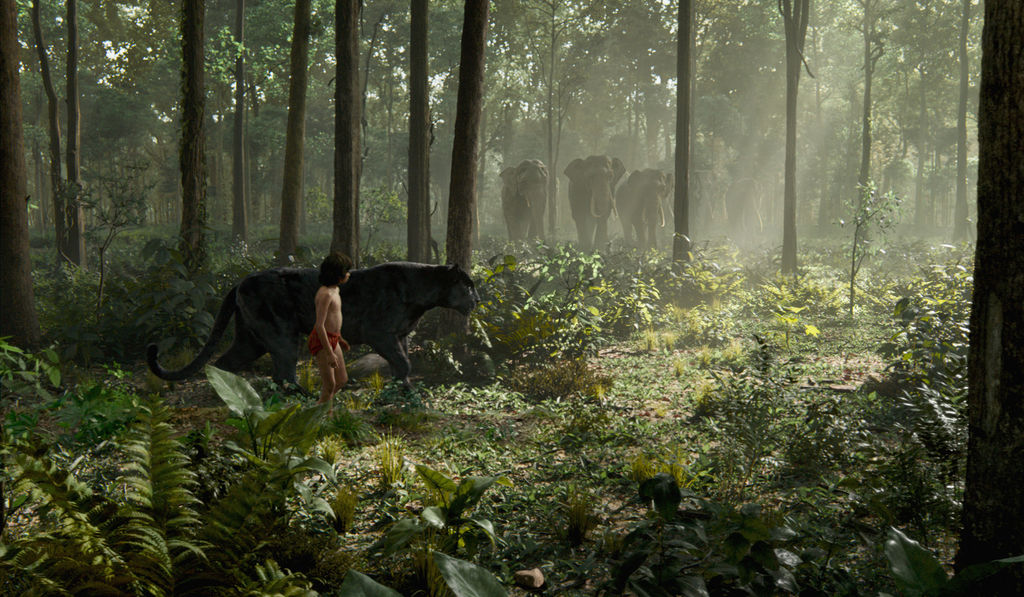
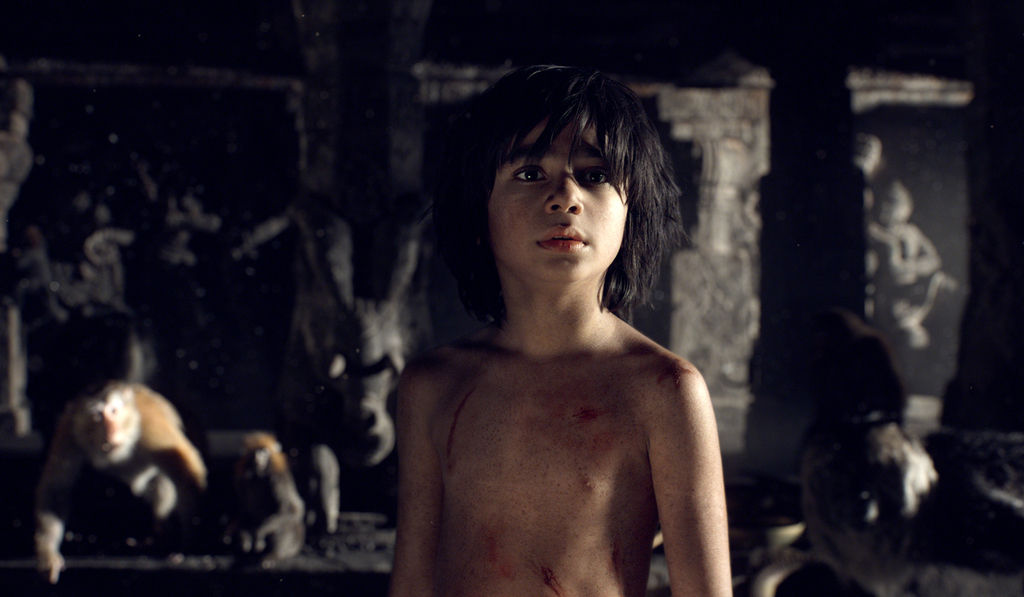
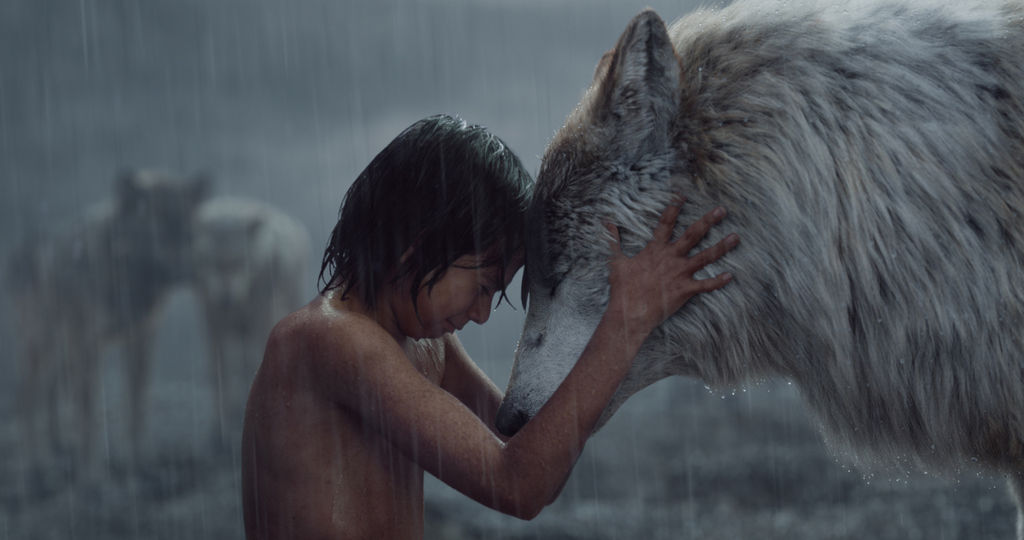
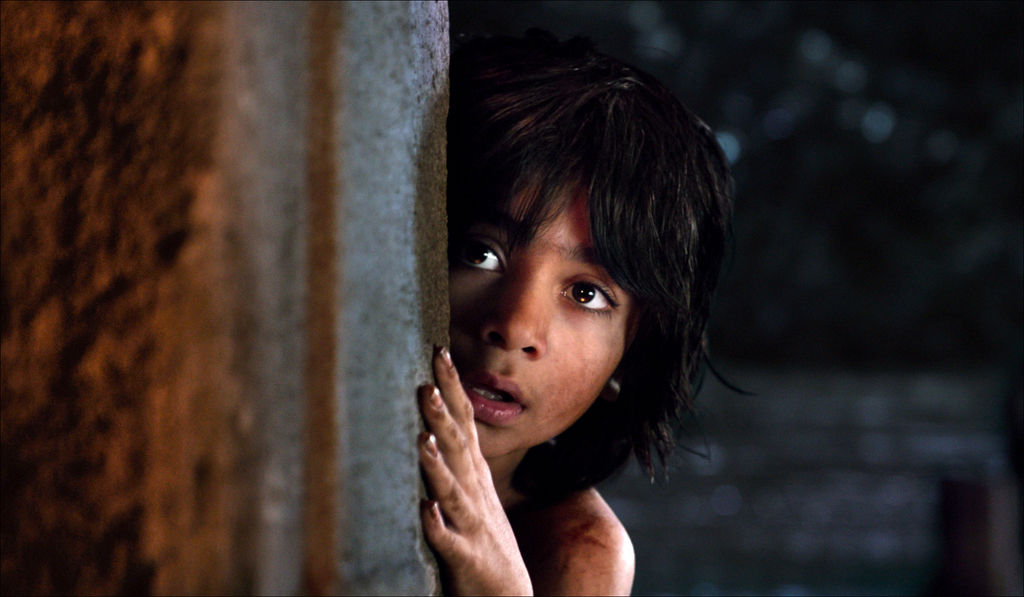
Based on the eponymous work by British author Rudyard Kipling and the 1967 Disney animated film, the updated live action “Jungle Book” stays faithful to both stories and follows the adventures of man-cub Mowgli (Neel Sethi) as he flees the wicked Bengal tiger Shere Khan (voiced by Idris Elba). With the help of the wise black panther Bagheera (Ben Kingsley) and the fun-loving bear Baloo (Bill Murray), Mowgli sets off on a journey of self-discovery while coming to understand his role in the jungle.
Technically speaking, “Jungle Book” is absolutely gorgeous. The animals are entirely computer-generated, using live animal movements as reference and performance recording of all the voice actors to make the animal speech more believable. The result is a legitimate animal kingdom that makes our human concerns boring in comparison. At the very least, the animals live in a world based on moral creeds and natural laws that at times feel more human than the inhumanity capable in our own world.
Because that’s just the thing — Hollywood films with big budgets are supposed to look good, if nothing else, so it’s no surprise that “Jungle Book” walks the walk. But as finely as their animal characters, this film can talk that talk, too.
At the start of the screening, the theater played a short introduction from director Jon Favreau in which he thanked the film’s production team and expressed hope that the audience would appreciate the love that went into making this movie. It felt out of place — mostly because I’d never really seen something like that in a theater before. But I promptly forgot about it and started watching the film. After the lean hour-and-45-minute runtime, I found myself thinking about that introduction again. This time it made a lot more sense.
“Jungle Book” is a movie made with love, and this enthusiasm shines through every scene. The level of detail in the artistic design and motion capture really takes second place to the beautiful story that lies at the heart of this entire series: a young boy figuring out himself and his place in the world. It’s a simple story, told simply, but with a $175 million production budget to match, it’s a true Hollywood triumph.
I don’t know where to attribute the commercial and critical success of “Jungle Book.” Probably Favreau, whose evenhandedness creates a well-made and solid film on all levels. Maybe it could be Hollywood itself, either for its actions or inactions during the production process. But does it really matter at the end of the day? Audiences love this film; I love this film. And isn’t that why we started going to the movies in the first place?
Michael Lomax is a writer-filmmaker currently at work on a film script to be set and shot in Albany.
Related Articles

Taking the opportunity to join the lost sheep in prayer
God is due thanks for looking after his lost sheep.
Today’s cellphone generations lack common sense
The kids today don’t get how important it is to get outside and play; they’re too wrapped up in their cellphones.
A second-best Bob Dylan moment
A couple of fans take in the Bob Dylan biopic “A Complete Unknown.”
