
CREEDE HINSHAW: The Museum of the Bible opens in D.C.
OPINION: Washington museum one of few dedicated to a specific holy book
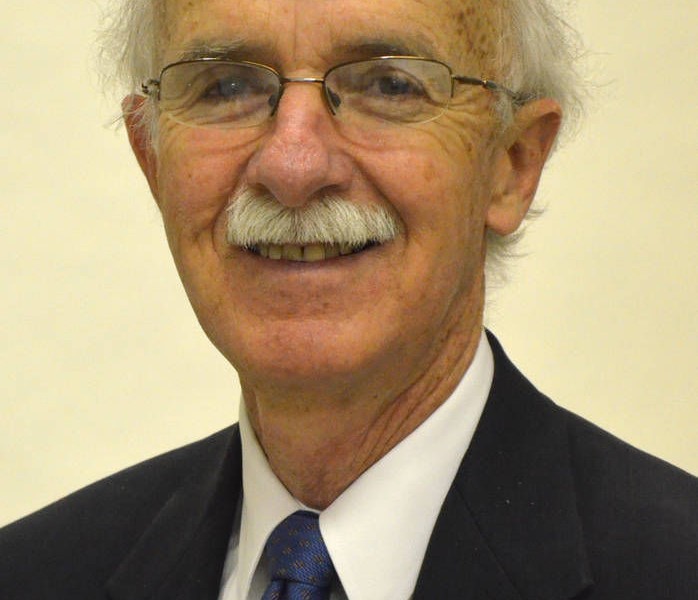
By Creede Hinshaw
In light of the recent grand opening of the Museum of the Bible in Washington D.C. I ask, how would a person go about planning, organizing and opening such a museum?
Maybe there’s another question to be asked first: What would motivate a person to found such a museum? There are very few museums in the world dedicated specifically to the holy book of a major world religion.
Whereas there might be many reasons to found a museum, Steve Green, CEO of Hobby Lobby and grandson of a Pentecostal preacher, has made it clear that he wants this museum to elevate the sacred writings of the Christian and Jewish faith. From what I can tell after reading various reports about the museum, this dazzling collection attempts to walk a fine line between hard-edged scholarship and the faith claim that the Christian Bible is the sacred Word of God, true and life changing.
Congratulations to Mr. Green for his vision and foresight. He found a vacant warehouse not far from the National Mall in Washington, D.C., and opened this museum a few blocks from the U.S. Capitol and near some of the most iconic monuments and museums in our nation. This gigantic museum contains a large theatre, a restaurant named Manna, a café called Milk and Honey, the most up-to-date interactive displays, thousands of artifacts and a research wing.
So how would one go about establishing a Bible museum? In Mr. Green’s case, the first answer was to pull out the checkbook to the tune of half a billion dollars. Secondly, it meant scouring the world for artifacts to fill the space.
This second endeavor got Mr. Green into trouble. He bought ancient clay tablets — lots of them — for $1.6 million from a shady dealer who did not have documentation on where they came from. This is a huge deal in the antiquities world, something even the rankest amateur collector should know. ISIS has plundered so many museums lately that the market is flooded with stolen treasure.
The apparently looted artifacts were then shipped to Green with fake labels to avoid detection from Customs, but the scheme was uncovered. Green, who pleaded ignorance to the legalities of buying artifacts, was fined $3 million for smuggling and ordered to return the artifacts to Syria. This was not the publicity he wanted for his grand opening.
I suspect the average visitor will care nothing about the looted artifacts or by the museum’s claim that it is displaying fragments from the Dead Sea Scrolls that may be fake or that the museum’s grand opening gala was a $50,000 per table fundraiser in the nearby Trump hotel.
People will flock to this museum, I believe, because the Bible is still widely revered, if not widely read, in our nation. Mr. Green hopes is the museum will give people a new reason to read and revere the words of scripture. The museum’s executive director, Tony Zeiss, describes the museum’s goal: “We want it to be as accurate as possible, as fair as possible and, if you will, as nonsectarian as possible.”
The museum website is well done including a lengthy page dedicated to the provenance of artifacts. Although most visitors will have little interest in the technicalities of this page, I appreciate the museum’s effort to be candid about the legitimacy of their museum pieces and the source of previous ownership.
Tickets (free) are available on the museum’s website and I suspect they’ll be popular. So now we have Noah’s Ark and a Creation Museum in Kentucky and a Bible Museum in Washington, D.C. I wonder what’s coming next?
Email columnist Creede Hinshaw, a retired Methodist minister, at [email protected].
Related Articles

CARLTON FLETCHER: Lousy customer service leaves a fowl taste
Before I get into this, let me say from the get-go that I understand that we all have bad days, that the aggravations of life can put a damper on everything that gets in our way on a given day.

Squawkbox – June 27, 2026
Albany’s “leadership” is involved in criminal activity and will be… Franklin Graham and the other pastors of “super churches”…
My Grandpa Was Killed in World War II. I Met Him Through His Letters Home
Gina Wolf’s grandfather died before she was born. His letters sent to her grandmother from Europe during World War II made it possible to know what kind of man he was.
