
CREEDE HINSHAW: We are losing the permanence of community
By Creede Hinshaw
[email protected]
The only bank the small county seat of Tipton, Ind., had a name bespeaking solidity: Citizen’s National Bank. I never knew what made it “national” or what the word “citizen” added, but the name was grand and understandable.
This esteemed institution sat prominently on Main and Jefferson streets, the busiest intersection in my hometown. The two-story cream brick edifice on the courthouse square, directly across from the Blue Front Drug Store and in the heart of the business district, was strategically positioned for commerce
Citizen’s National Bank was the grandest building in the county except for the courthouse, a few churches and a round barn out in the county. One entered the bank through an impressive doorway, flanked and arched with limestone, into a very spacious lobby with a 20-foot-high ceiling and marble floors. Richly polished wooden tables in the center of the room allowed customers to fill out deposit slips and endorse checks. Chairs along the wall beckoned to customers.
Nestled against one wall were tellers’ windows. A prominent vault was visible on another wall, and the bank president and other officers held forth behind glass.
As a youth I had a bank “passbook,” a small linen-bound book where the teller (who knew you by name) recorded deposits and withdrawals on the lined paper in flowing, artistic hand. This youth felt dignified to participate in this adult world.
Each Saturday for four years, I banked at the CNB as a paperboy for the daily Indianapolis Star, making deposits and “buying” rolls of pennies, taking them across the street to the Blue Front Drug Store where — with my paperboy brother — we drank chocolate cokes and looked for wheat and Indian head pennies.
There was solidity and permanence at the Citizen’s National Bank. There was a semi-sanctity about that space. One knew instinctively that — like a library or a church — a sense of silence and decorum was expected.
Few institutions feel permanent or offer community any more. Banks are mostly impersonal; legacy department stores are withered and their clerks a rarity; nobody lingers at a gas station; shopping is largely relegated to the internet, and jobs are either outsourced or conducted remotely. COVID and the pandemic have isolated us. Genuine community — even in its barest form — is rare.
The church is the one institution that has the opportunity, the gravitas and the desire to offer people permanence, community, tradition and sanctity, but enormous challenges arise. Some churches are fossilizing. Mega-churches have trouble connecting people. On-line worship leaves one hungering for human friendship. In some quarters, the church has a bad name.
The church can offer a place to be social, to be human and to find life, but many churches have forgotten this is one of their greatest strengths and opportunities. Such treasure is not created by simply opening Sunday doors or tolling a church bell. The church must be incredibly intentional and committed lest it fail.
The grand structure built for the Citizen’s National Bank in Tipton still stands in its glory. It now houses a convenience mart.
Author
Related Articles
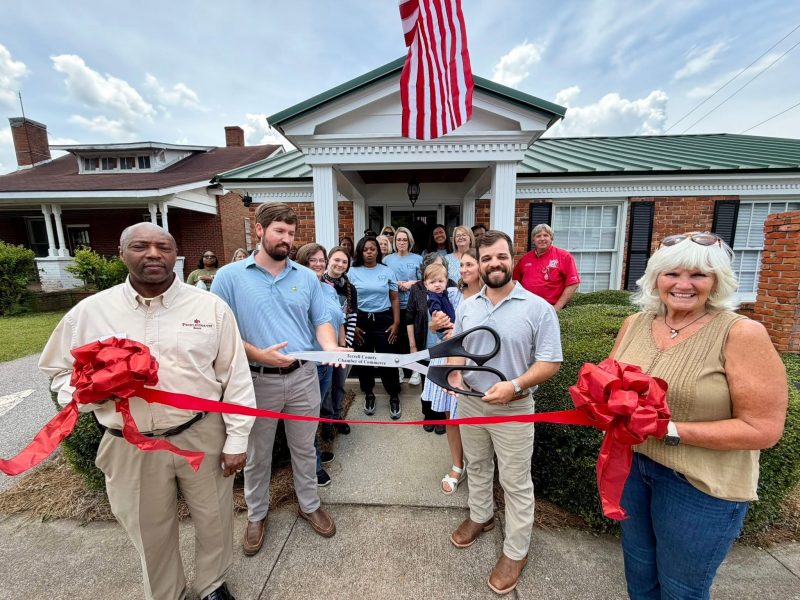
Chamber celebrates new businesses, invites community to Coffee and Connections event
The Terrell County Chamber of Commerce is continuing its efforts to strengthen local business relationships through community celebrations and networking opportunities, recently recognizing two new businesses with ribbon-cutting ceremonies and announcing its next “Coffee & Connections” event in Sasser.
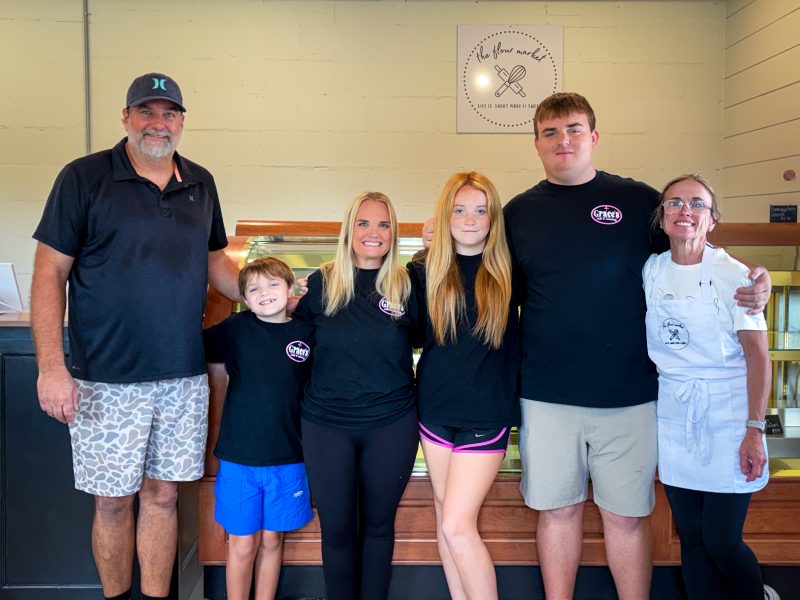
Regional catering business finds new home at Warrior Creek Mercantile
For months, Marchbanks said she had been asking God for an opportunity to serve others. “I just kept praying, ‘God, use me as a servant,'” she recalled. “I didn’t care what it was. I just wanted to be used to help people.”
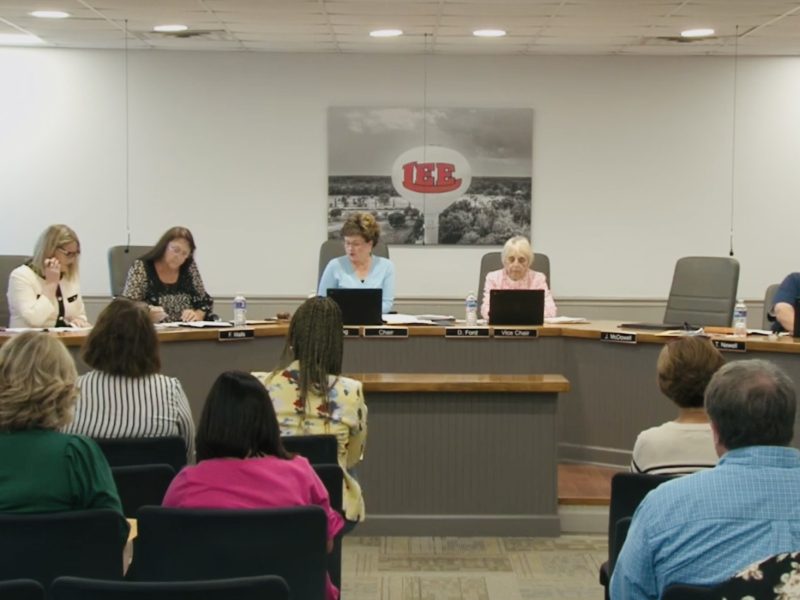
Houston, Ford advance in contentious Lee County school board race
According to unofficial election results, challenger George Parrish Houston led the three-candidate field with 534 votes, or 42%, followed by incumbent Donna Ford with 478 votes, or 37.6%. Candidate Lavendra Shootes received 261 votes, or 20.5%.
