
GAIL DRAKE: A child’s front-line rescuers
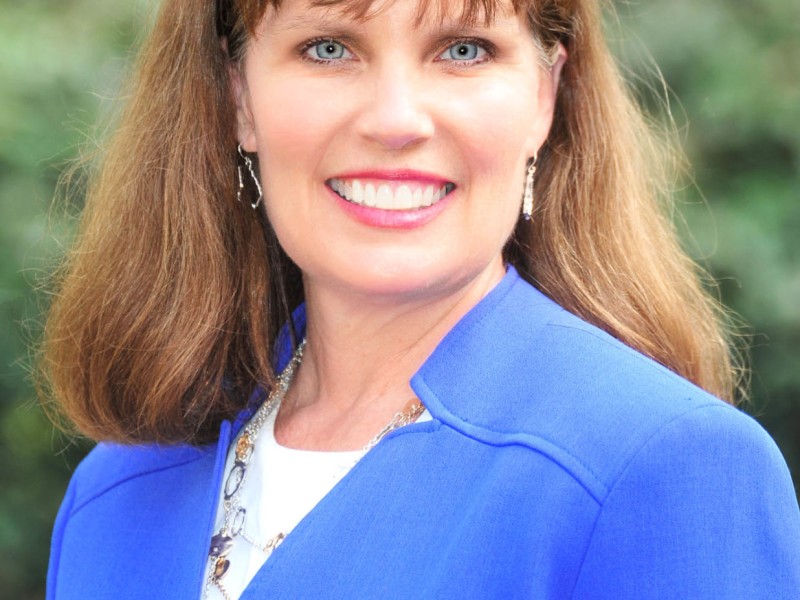
By Gail Drake
“Defend the poor and fatherless.”
– Psalm 82:3
His brown eyes gazed out, a half-smile tried to hide the circular cut on his right cheek and his chipped tooth. The next pictures were of his upper back. Linear marks crisscrossed his back, each 6 to 12 inches long, at least a dozen of them. His left arm had long linear marks and a deep circular cut. The same with pictures of his legs. His neck showed at least four ½-inch marks where his brown skin now had patches of white. He was 6 years old.
The dog did it, he told the school nurse. The second set of pictures had similar marks. But this beautiful child was only age 3. In all, more than 30 pictures. One by one, the DFCS lawyer tendered each picture into evidence, wrangling all the way over evidentiary rules, so the judge and everybody in the courtroom could see exactly what happened to those little children.
For National Child Abuse Prevention Month, may I share an inside view of the gut-wrenching world of child abuse, and the vital role and tireless work done by the men and women of the Department of Family and Children Services. Every day they deal with it all: physical abuse, sexual abuse, unrehabilitated drug abuse, mental illness, homelessness. The investigators are often called into extreme situations: police raid of a home meth lab with children lying around; a baby carrier in a hot tent occupied by a groggy, filthy, milk-crusted 4-month-old; a newborn writhing in the NIC unit with extreme withdrawal symptoms from cocaine.
First, to my friends who fear that DFCS is the agency that snatches children from good parents over a spanking (from this insider who has served as a children’s attorney for six years and a DFCS attorney for eight): Both federal and state law requires that a child cannot be removed from their caregivers except in circumstances where the child’s safety is at risk. DFCS is mandated to try to find an appropriate relative to place the child before and after the child is brought into custody.
Except in emergencies, a child can be brought into custody only upon the ruling of a judge after evidence is presented at a hearing. With rare exceptions, DFCS is required to work with the parents to identify the problems (substance abuse, mental illness, domestic violence, etc.) and provide free services to help the parents overcome their problems. Mandatory hearings review the cases about every six months so that the judge can monitor the progress of the parents and the children.
Most case managers go above and beyond to help the struggling, drug-addled mother who truly loves her child, but her own childhood was devoid of all the healthy support and nurture of a happy home and she made some poor choices. The case managers guide the caregivers and strengthen their parental capacities with counseling, substance abuse treatment and myriad other services. They listen, encourage, fuss, instruct and cheer. Every so often, there are cheers in the courtroom when we all celebrated a parent who against odds overcame addiction or other issues, secured her own home and a meaningful job, and had her children returned to her.
Unfortunately, even with all the services and support given by DFCS, a parent may refuse to give up their drugs, or the court does not otherwise believe it would be in the child’s best interest to be returned to the parent. In those cases. DFCS must find another form of permanency such as adoption after termination of parental rights. And that does happen. While the department cannot solve every problem and dry every tear, most DFCS workers do a stellar job of rescuing children in crisis, helping parents with their issues and bringing children into a safer, more stable home.
So what can the ordinary person do to help these children in crisis? First, consider the heart-wrenching role of foster parent and give a child something of a normal family. If circumstances won’t allow for taking kids into your home but there’s an interest in advocating for a child, consider volunteering as a Court Appointed Special Advocate. CASAs are trained and appointed by the court to meddle into all aspects of the child’s life and make recommendations to the court.
Please call (229) 435-0074 to contact the Lily Pad SANE Center in Albany and ask for CASA. Please also consider sharing surplus supplies that a child could really use, such as clothes (new or nearly new), toys, baby supplies, school supplies. Often when these children come into care, they have the clothes on their backs and not much else. Another local agency that supports children in need is NECCO Foster Care, located at 2516 Dawson Road in Albany.
Related Articles
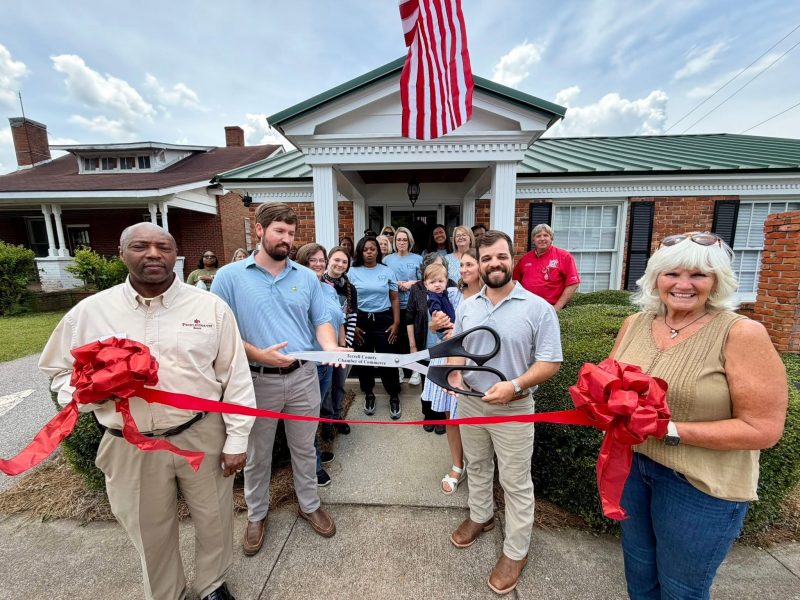
Chamber celebrates new businesses, invites community to Coffee and Connections event
The Terrell County Chamber of Commerce is continuing its efforts to strengthen local business relationships through community celebrations and networking opportunities, recently recognizing two new businesses with ribbon-cutting ceremonies and announcing its next “Coffee & Connections” event in Sasser.
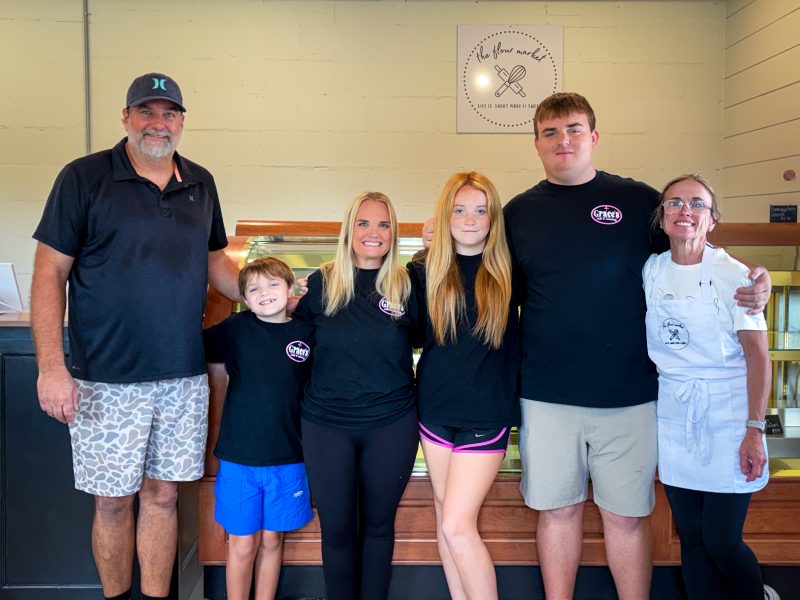
Regional catering business finds new home at Warrior Creek Mercantile
For months, Marchbanks said she had been asking God for an opportunity to serve others. “I just kept praying, ‘God, use me as a servant,'” she recalled. “I didn’t care what it was. I just wanted to be used to help people.”
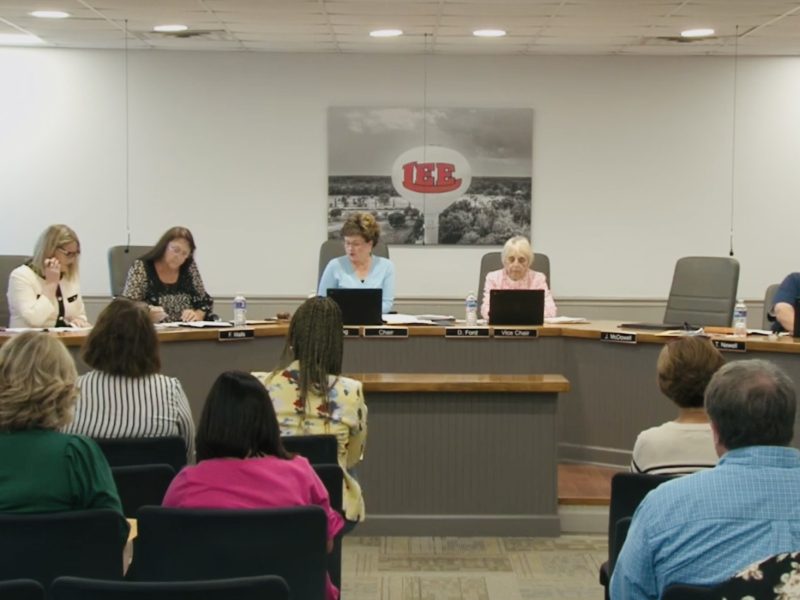
Houston, Ford advance in contentious Lee County school board race
According to unofficial election results, challenger George Parrish Houston led the three-candidate field with 534 votes, or 42%, followed by incumbent Donna Ford with 478 votes, or 37.6%. Candidate Lavendra Shootes received 261 votes, or 20.5%.
