
JOYCE BARLOW: Awareness, education vital in battle against breast cancer
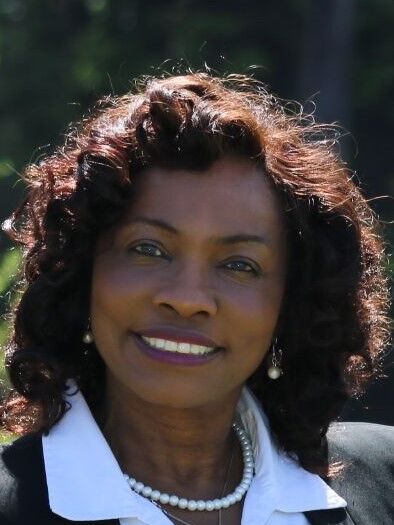
Special Photo
By Joyce Barlow
The first of October begins a monthlong celebration of Breast Cancer Awareness. Every woman and man should be attuned to breast cancer and its far-reaching impact in our lives and know the warning signs.
The most common symptom of breast cancer is a lump or a mass in the breast. Having a mammogram and a physical exam done by your health care practitioner remain paramount. The American Cancer Society recommends that a woman, in conjunction with her health care provider, should consider having a mammogram annually, starting at the age of 45. This means it is also important for you to be aware of changes in your breasts and to know the signs and symptoms of breast cancer. Life continuously keeps us all busy and, mostly women, will put the needs of the family and loved ones before her own medical care. Nearly everyone has been touched by someone in their family or circle that has dealt with breast cancer or has recovered or lost their battle.
Early detection and treatment are the keys to a cure and living a longer decent quality of live. Frequently, the person who is diagnosed with breast cancer is devastated and in denial. But the circle of love and support usually spurs them to seek treatment. The caregiver or support person should be prepared to maintain their steadfast support throughout the course of any treatment, be it chemotherapy, radiation and/or surgical intervention.
We are frequently advised to stay away from tobacco and limit our exposure in the sun and to always use sunscreen as recommended by the American Cancer Society. Since the coronavirus has seriously impacted our outdoor time, it would be worth noting if our incidences of breast cancer have decreased after this pandemic has ceased. Otherwise, there may be an incidence of increase in other stress-related illness.
There are many treatments available, and stepping out beyond the fear and dialoguing with your health care practitioner could mean the chance of a cure and a longer life. The statistics are staggering as you notice the numbers of person receiving treatment. I had the experience of being a caregiver for my sister during her battle with breast cancer. As a registered nurse, and her health care advocate, I knew how to navigate the system and shudder to think of those persons who do not have anyone to help them to comprehend the terminology and truly understand the treatments they were to receive. Comprehension, dialogue and a good health care practitioner are key in receiving the best treatment available. Additionally, having good insurance coverage also relieves the added stress of of knowing your care and treatment will be paid for and meets all coverage requirements.
I ponder and think about those without insurance or a knowledgeable advocate for their health care as to how their outcome and survival rates are compromised. It then becomes the responsibility of the health care workers, social workers, and support staff to assure that the best of care is delivered to those in need with the lesser understanding of breast cancer and the treatment. Accolades of gratitude are extended to all who help others navigate the system successfully.
I am requesting that we all become a part of the “Buddy Check” system, the “PINK OUT OCTOBER” and remind at least two people to check their breasts monthly for any abnormalities. The list of abnormalities can be found on the American Cancer Society Website under Breast Cancer Awareness. Let’s kick off the month by not only wearing pink, but supporting awareness and education to help eliminate breast cancer now.
Related Articles

Taking the opportunity to join the lost sheep in prayer
God is due thanks for looking after his lost sheep.
Today’s cellphone generations lack common sense
The kids today don’t get how important it is to get outside and play; they’re too wrapped up in their cellphones.
A second-best Bob Dylan moment
A couple of fans take in the Bob Dylan biopic “A Complete Unknown.”
