
RACHEL ELIZONDO: Warning signs indicate ‘lethality’ of abuser

By Rachel Elizondo
It’s important to know that there were warning signs that my father might kill well before he ever did, things that went beyond the abuse I talked about in last week’s column.
Women’s shelters and victim’s advocates often fill out what are called lethality assessments for women like my mother when they are filing for temporary protective orders. Although my mother had a temporary protective order in place when she was killed, this assessment was not done.
Had it been done, the potential for lethality would have been through the roof. For starters, the usual first question asks if the abuser has access to guns.
My father had what seemed like an innumerable number of guns, as so many people do in this area. He had a gun safe that took multiple men to get into their house, and it was filled to the brim with guns and ammunition. I never thought this was strange.
Once, when he was out of jail, my sister and I gathered his things for him at my parents’ house, where he was barred from being with the temporary protective order. We packed two handguns he had specifically requested. We didn’t think anything of it, despite the fact that he had just gotten out of jail on domestic violence charges and had a history of threats and abuse.
And yet this is at the top of the list, and according to the National Coalition Against Domestic Violence, the presence of a gun in a domestic violence situation increases the risk of homicide by 500%.
Another prominent question is whether or not the abuser and victim have had a recent separation. This had been the case in my parents’ situation as well. The Monday after my mother was murdered on that awful Sunday would have been four weeks to the day since my mother had texted my siblings and me that my father had given her a black eye and she had called the cops on him the night before: a sign that she was done, and the first step she made toward getting away from him in a long time.
But none of the law enforcement she dealt with explained the temporary protective order. They didn’t explain the risk of the recent separation, how the order could anger my father, and steps she could take to protect herself. When she talked to my siblings and me, we only thought back to when they had been divorced for about a year when we were children. We thought it would be much of the same stuff, my father harassing and threatening but never anything more. We did not want to believe he could do what we feared so much.
Another key question is the issue of strangulation. My father not only strangled my mother, but he also choked my brother when he was a young teenager. He did the same to me when I was 17. At the time, none of us had any idea that this is a high indicator that an abuser will kill. That even putting the hand on the throat, saying something like “See what I could do,” is enough to predict what could happen.
I could not breathe as my father squeezed my throat. It was not just a threat. It was a possibility.
Other indicators that applied to their situation:
♦ Defendant abuses alcohol;
♦ Defendant uses illegal drugs or abuses legal drugs;
♦ Defendant is violent to others outside of the relationship;
♦ Defendant has destroyed cherished personal items;
♦ Defendant is jealous or tries to control daily activities;
♦ Defendant has accused client of cheating;
♦ Defendant has said “If I can’t have you, no one can.”
♦ Defendant threatens to kill client;
♦ Defendant contemplated, threatened, or attempted suicide;
♦ Defendant is violent toward children.
These warnings signs, these red flags that I will forever kick myself for missing, are important for all of us, community leaders, law enforcement, medical workers, and literally everyone else to learn, to memorize. If I had known about these things in the weeks leading up to my mother’s death, if her friends had, there is the possibility that she might still be here with me today.
Related Articles
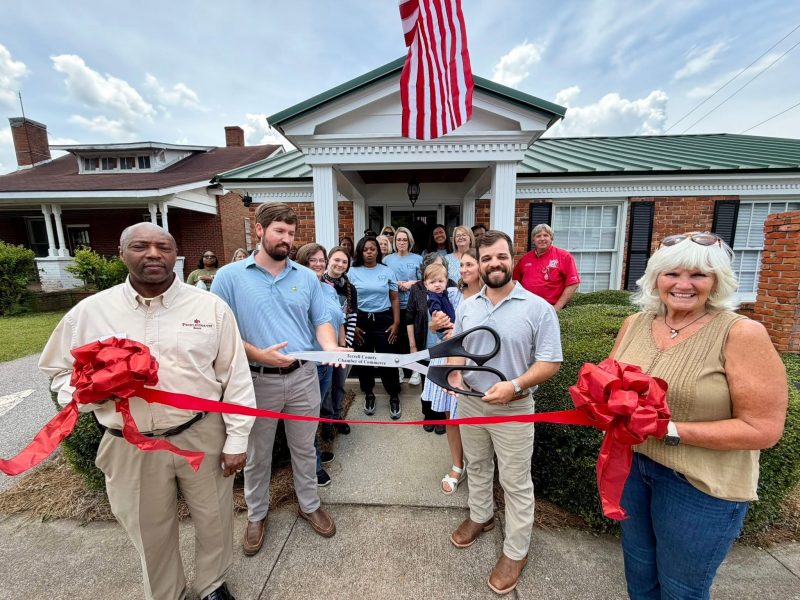
Chamber celebrates new businesses, invites community to Coffee and Connections event
The Terrell County Chamber of Commerce is continuing its efforts to strengthen local business relationships through community celebrations and networking opportunities, recently recognizing two new businesses with ribbon-cutting ceremonies and announcing its next “Coffee & Connections” event in Sasser.
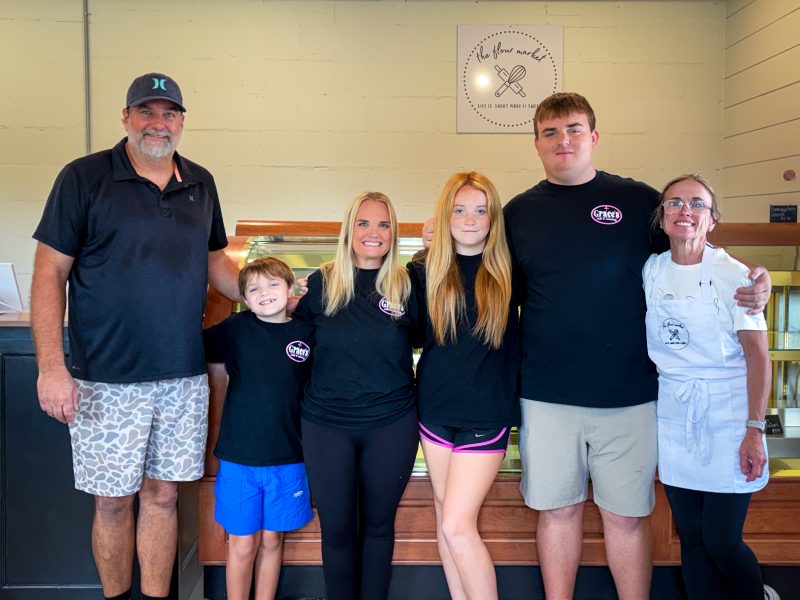
Regional catering business finds new home at Warrior Creek Mercantile
For months, Marchbanks said she had been asking God for an opportunity to serve others. “I just kept praying, ‘God, use me as a servant,'” she recalled. “I didn’t care what it was. I just wanted to be used to help people.”
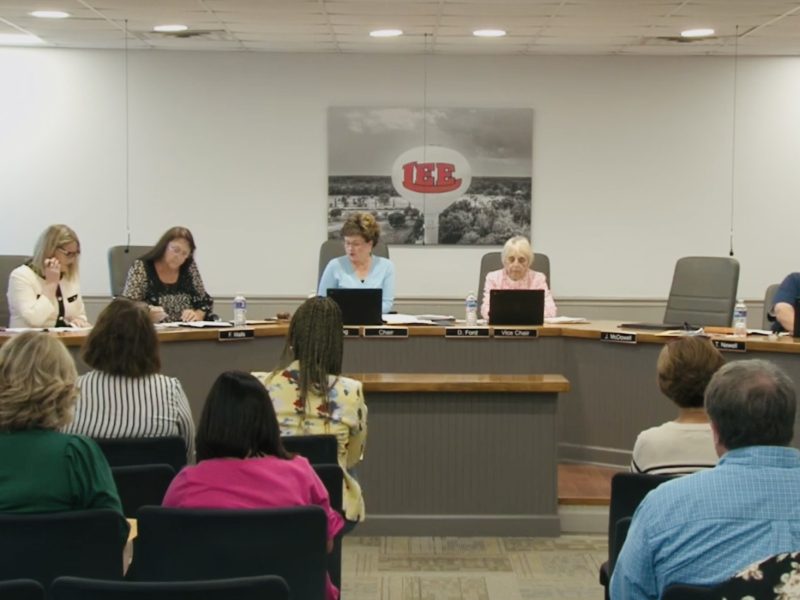
Houston, Ford advance in contentious Lee County school board race
According to unofficial election results, challenger George Parrish Houston led the three-candidate field with 534 votes, or 42%, followed by incumbent Donna Ford with 478 votes, or 37.6%. Candidate Lavendra Shootes received 261 votes, or 20.5%.
