
BOB KORNEGAY: There was something special about the ‘Riverman’
Outdoors: The old timer was busy untangling the snarled trotline
By Bob Kornegay
I met him on a sandbar on the Alabama side of the Chattahoochee River, somewhere between the Andrews Dam at Columbia and the big rocky bend near Gordon. It was spring, 1969. I was almost 17.
I’d awakened just after daybreak, having spent the previous night camping on the riverbank and catching a few catfish with my high school running buddies Eddie and Virgil. I’d left my friends still snoring in their bedrolls to stroll down the bank in response to a beckoning call of nature. Owing to an innate bashfulness where biological necessity is concerned, I was a full hundred yards from camp, where the woods were thickest and concealing foliage more dense.
Mission accomplished, I emerged from the trees and made my way back down to the river’s edge. As I turned to head downstream toward camp, I saw him, a grizzled old man in a battered wooden skiff powered by an ancient, equally battered outboard motor. Just before he reached me, he gave the tiller a hard yank and ran the boat onto a big shallow sandbar extending outward from the bank into the brown water. I made a rather cautious approach.
The old timer, whom I have since come to know in my reveries as “Riverman,” barely glanced up as I came even with him and brought forth a tentative, “Good morning, Sir.”
He was busy, scarred hands with swollen knuckles untangling a length of snarled trotline with surprising dexterity. I sizable channel catfish I estimated at 10 or 12 pounds writhed and grunted on the boats floor near the bow.
“Nice one,” I offered.
“Tangled my damn line,” he growled, prior to ejecting a dark stream of tobacco juice into the muddy current. “Had the drop-lines tied too loose. Knot slipped. Orta knowed better.”
“Been out all night?” I asked.
“Yep,” came the reply. “Cain’t make no money otherwise.”
A pro, I thought. Commercial fisherman. There were still a few left in those days before the mammoth catfish-farming concerns forced them all out of business. Judging by the condition of both boat and motor, this one’s business wasn’t exactly booming.
“How old are you?” I asked. I was old enough to understand impoliteness, but still child enough not to fully comprehend tact.
“Eighty-one,” he answered, looking up. The old eyes, set deeply in his wrinkled, weathered, sun-parched face flashed for an instant, as if to say, “You wanna make somethin’ of it?”
Oblivious, I continued making unsolicited conversation. Riverman offered nothing, but gave perfunctory answers to my queries, as if obliged to do so.
“Where do you live?’
“Up a creek, just off the river.”
“How many lines you got?”
“Many’s the law’ll let me fish.”
“What’s the biggest cat you ever caught?”
“Don’t know. Never weigh ‘em one at a time.”
I’m certain the old man was mightily relieved when that last trotline knot came free. At any rate, he wasted little time starting up that old rattling, smoke-belching outboard. He didn’t protest, however, as I waded out, up to my knees, to shove the boat off the sandbar and back into the main run of the river.
“Good luck!” I yelled over the noise of inefficient internal combustion.
Away he puttered, without so much as a wave of gratitude.
That lack of acknowledgement hurt then. It doesn’t now. Today I simply wax nostalgic and smile wistfully at my memories of Riverman.
After all, how many endangered species is one actually privileged to meet in his lifetime?
Related Articles
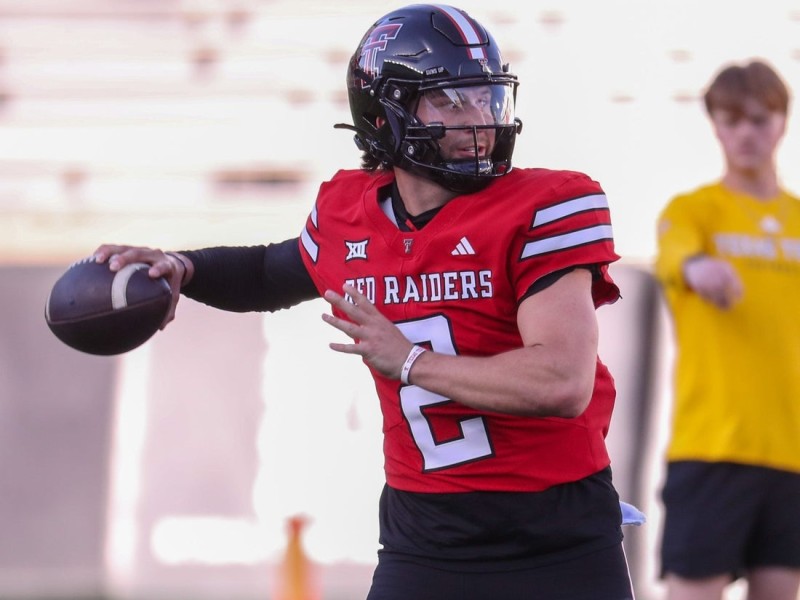
NFL blasts Brendan Sorsby for dodging accountability, denies draft petition
Brendan Sorsby’s path to the NFL hit another dead end on Tuesday when the league denied his petition for entry into the supplemental draft.
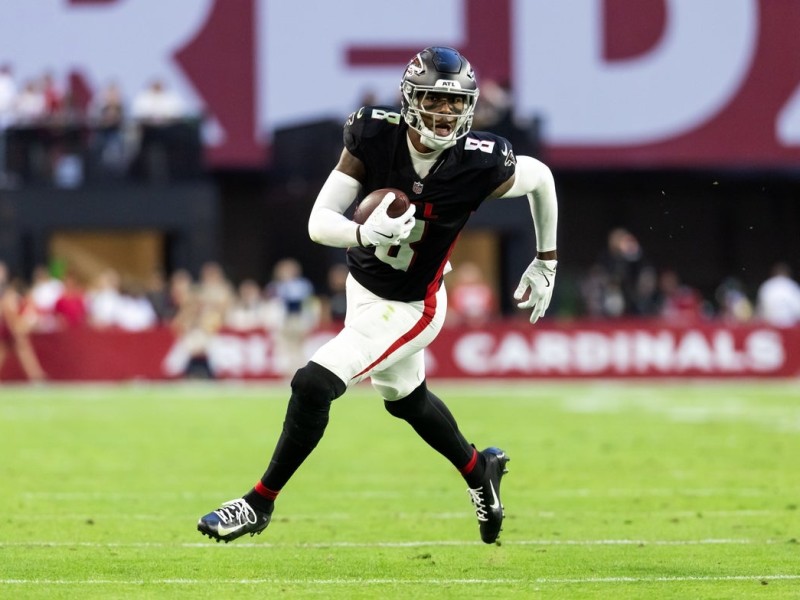
Falcons agree on 3-year, $54M deal with TE Kyle Pitts
The Atlanta Falcons agreed to a three-year, $54 million deal with tight end Kyle Pitts on Tuesday that includes a reported $36 million fully guaranteed, Pitts’ agents told ESPN.
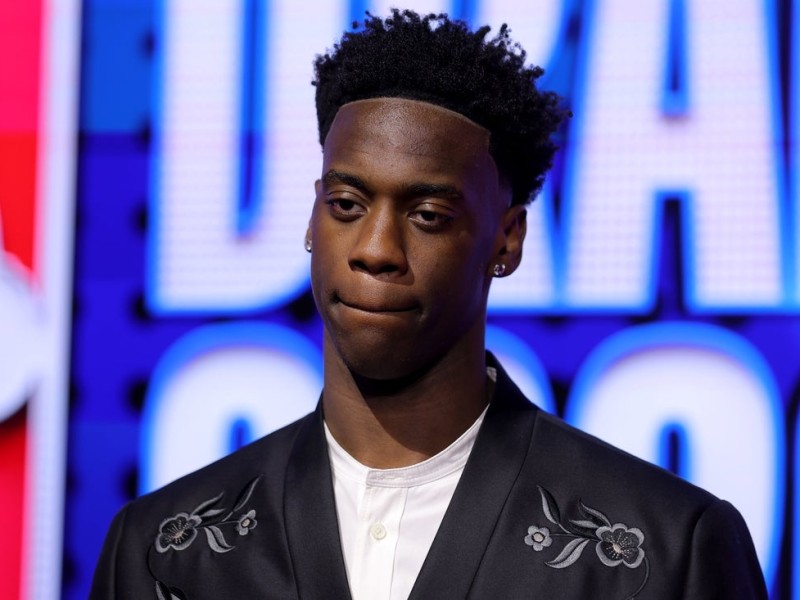
AJ to DC: Wizards pick BYU’s Dybantsa No. 1 overall in NBA draft
The Washington Wizards opened the NBA draft on Tuesday night by selecting BYU forward AJ Dybantsa with the No. 1 overall pick.
