
Deer and turkey management on in-common habitat
Where both species are concerned, there are a number of practices that do equally benefit deer and turkeys alike
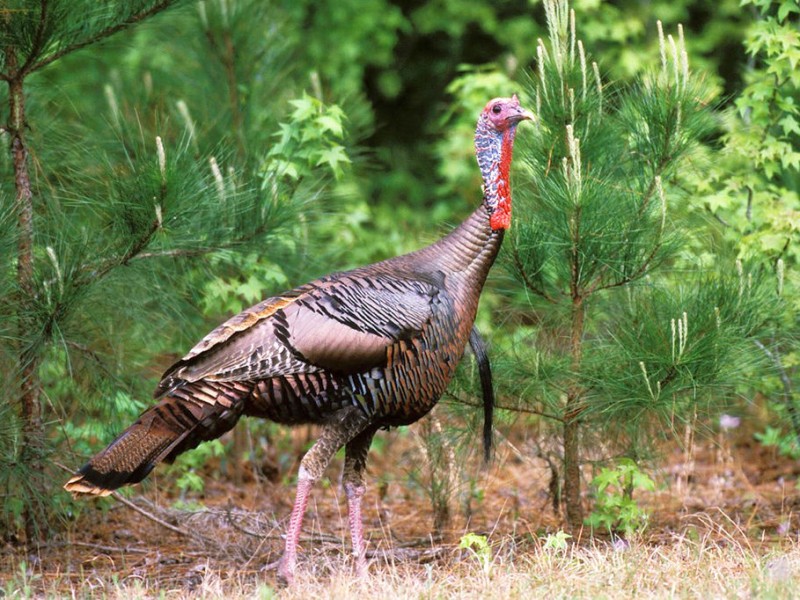
By Bob Kornegay
Though there are many habitat-management strategies that are common to both white-tailed deer and the Eastern wild turkey, there are a number of specific management practices that address the needs of turkeys exclusively. According to wildlife biologist Steven Barnett, this knowledge can be very important when considering an overall turkey-habitat management strategy.
“Some landowners and managers have the misconception that if management efforts are totally focused on the best type of habitat for a healthy deer herd, then the wild turkeys that exist on that habitat will automatically flourish as well,” Barnett said. “Landowners and land managers with an interest in managing for wild turkeys as well as deer need to be aware of the differences in order to develop their most productive turkey management plan.”
Where both species are concerned, there are a number of practices that do equally benefit deer and turkeys alike, and broadly practiced general management options across various habitats typically improve the overall conditions and, thus, should not be forgotten or ignored.
For example, it has been well documented that prescribed fire with dormant and/or growing-season burns enhances the production of herbaceous forages and removes invasive and undesirable woody plants. This is especially important in pine plantations and mixed pine-hardwood landscapes. Deer and turkeys live at the ground layer, where burning is most effective. Current restoration of historic longleaf pine ecosystems has been a moving force in the importance of frequent fire and has resulted in improved habitat for deer, turkeys, and many other wildlife species.
“Also,” added Barnett, “periodic thinning in pine plantations opens up the forest canopy and allows more sunlight to reach the ground. The combined use of prescribed fore and timber harvests has the tremendous potential of changing poor habitat into excellent habitat. In addition, wildlife-friendly timber harvests that retain oaks and other mast-producing trees are common to carefully developed management plans for both deer and turkeys.”
Another in-common management tool that continues to gain momentum in the management of single-site deer and turkey populations is the selective use of herbicides to control and eliminate invasive plants.
“If left unchecked, certain species of exotic, non-native plants will gain a strong foothold in certain habitats and can eliminate much of the native herbaceous habitat for deer, turkeys, and a host of other wildlife,” said Barnett. “These plants must be stringently controlled or eliminated and often the use of herbicides is the only way to do that. In addition, the development and management of wildlife openings continues to be an important and popular means of planting warm-and-cool-season forages for deer and turkeys. If properly managed, openings certainly have the potential to enhance the productivity of habitats throughout the year.”
Habitats that are managed for wild turkeys, when viewed in finer detail, offer subtle but very important differences in overall landscape management.
“Without rehashing what was outlined as good management practices for both deer and turkeys,” said Barnett, “let’s insert a few ingredients that are helpful to the wild turkey specifically.
“One of the most under-managed components of many turkey habitats is woods roads. When managed as wide, herbaceous, linear openings, woods roads provide a wide array of beneficial habitat components and help meet a turkey population’s seasonal needs. Most roads, unless they exist in a clearcut, need to be daylighted (a technique involving tree and brush removal) and widened to allow for ample sunlight. These roads need to be scattered throughout the property in both upland and bottomland areas and vehicle use of them should be limited. A good management approach is to view these managed roads just as you would any other wildlife opening in terms of their use and maintenance. Native grasses and forbs should be encouraged and alternating strips of native plants and planted crops is also a good woods-road strategy. For crop selections, chufa and various millets in the spring and a mixture of several varieties of clover in the fall are prime choices.”
Looked at in detail, the benefits of managed woods roads for turkeys are numerous and obvious. Forage-and-cover-bearing woods roads provide nesting and brood-rearing areas, foraging habitats, and accessible travel corridors for the birds. Managed roads are especially important when located adjacent to poor habitat. In brushy, thick habitats, roads may afford one of the most important habitat features for use by turkeys. Overgrown thickets that may be used as cover for deer are not traditionally used by turkeys. Turkeys simply cannot travel through these areas unless there are travel corridors such as properly managed roads that connect other types of habitats in an area.
“Another important distinction between deer and turkeys is their respective foraging needs in a woodland habitat,” Barnett said. “Turkeys prefer more seeds, berries, fruits, and nuts as compared to deer. Landowners and managers should be mindful of retaining, enhancing, and even making supplemental plantings of important trees and shrubs that turkeys require. These include a variety of oaks, beech, dogwoods, hawthorns, chinquapin, plum, and wild blueberries. Native, seed-producing grasses, such as big bluestem and little bluestem, should also be recognized and encouraged.”
Both deer and turkeys can be quite successfully managed and made to thrive on the same habitat. Just do not make the mistake of thinking that the accepted standard practices for deer management on your property will automatically take care of your turkey population as well.
“When managing for both species,” Barnett concluded, “make sure you acknowledge and incorporate the specific needs of the wild turkey into any dual management plan you undertake. It is the only way you can hope to ensure lasting success.”
Related Articles

NFL blasts Brendan Sorsby for dodging accountability, denies draft petition
Brendan Sorsby’s path to the NFL hit another dead end on Tuesday when the league denied his petition for entry into the supplemental draft.
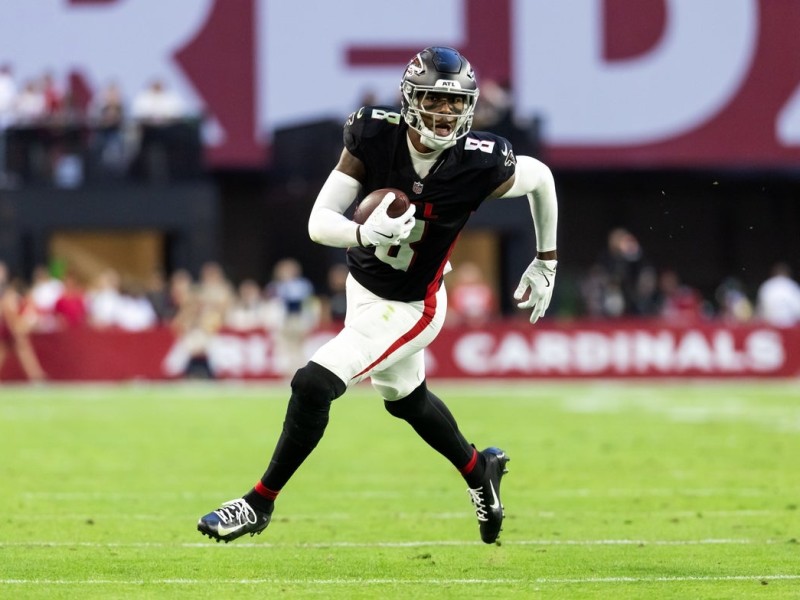
Falcons agree on 3-year, $54M deal with TE Kyle Pitts
The Atlanta Falcons agreed to a three-year, $54 million deal with tight end Kyle Pitts on Tuesday that includes a reported $36 million fully guaranteed, Pitts’ agents told ESPN.
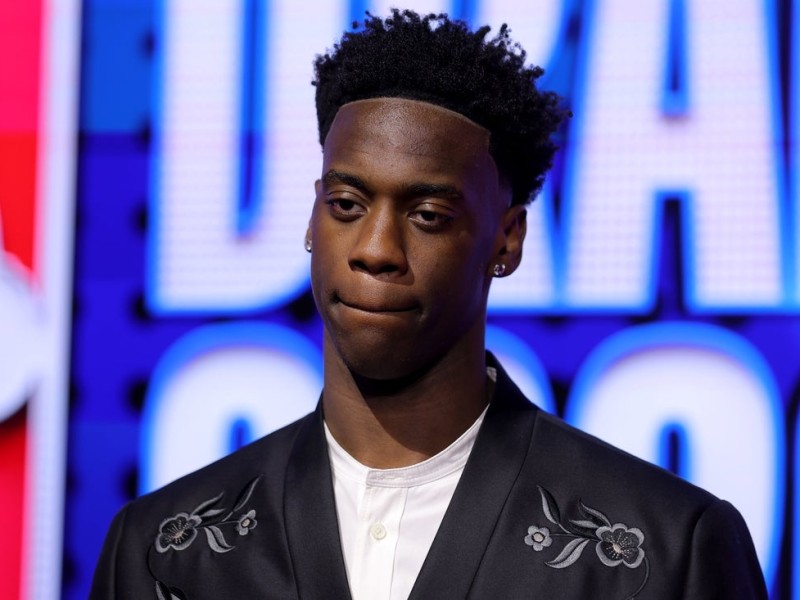
AJ to DC: Wizards pick BYU’s Dybantsa No. 1 overall in NBA draft
The Washington Wizards opened the NBA draft on Tuesday night by selecting BYU forward AJ Dybantsa with the No. 1 overall pick.
