
NCAA set to eliminate redshirt seasons
The NCAA’s Division I cabinet, in a vote held Tuesday, unanimously approved changing its eligibility rules to a new model that gives all Div. I will give athletes five years of eligibility and eliminate all redshirts.
Field Level Media
The days of college athletes taking a traditional redshirt season appear to be coming to an end.
The NCAA Division I cabinet voted unanimously Tuesday to approve a new eligibility model that would give athletes five years of eligibility while eliminating the redshirt system that has been a staple of college sports for decades.
The proposal, which is expected to be finalized following the conclusion of the Division I cabinet’s meetings Wednesday, would fundamentally change how eligibility is measured in Division I athletics.
Under the new age-based model, an athlete’s five-year eligibility clock would begin when he or she turns 19 years old or enrolls in college, whichever comes first.
The change is designed to simplify an eligibility system that has grown increasingly complicated in recent years through the use of medical hardship waivers, COVID-era exemptions and legal challenges that have allowed some athletes to compete well into their mid-20s.
Rather than athletes using a redshirt season to preserve eligibility, they would simply have five years in which to compete.
The NCAA hopes the change will reduce the growing number of requests for additional eligibility and medical redshirt waivers that have become commonplace across college athletics.
If approved, the new rule would affect all Division I athletes who still have eligibility remaining after the 2025-26 academic year.
However, the proposal would not apply to athletes whose eligibility expired this past season after competing four full years without taking a redshirt season.
That exclusion is expected to generate legal challenges.
According to NIL attorney Darren Heitner, athletes who exhausted their eligibility under the current system could challenge the decision in court if they are denied the opportunity to compete under the new format.
The proposal marks the latest significant change in an era of rapid transformation across college athletics, where NIL opportunities, the transfer portal and a growing number of legal challenges have reshaped the landscape.
Related Articles
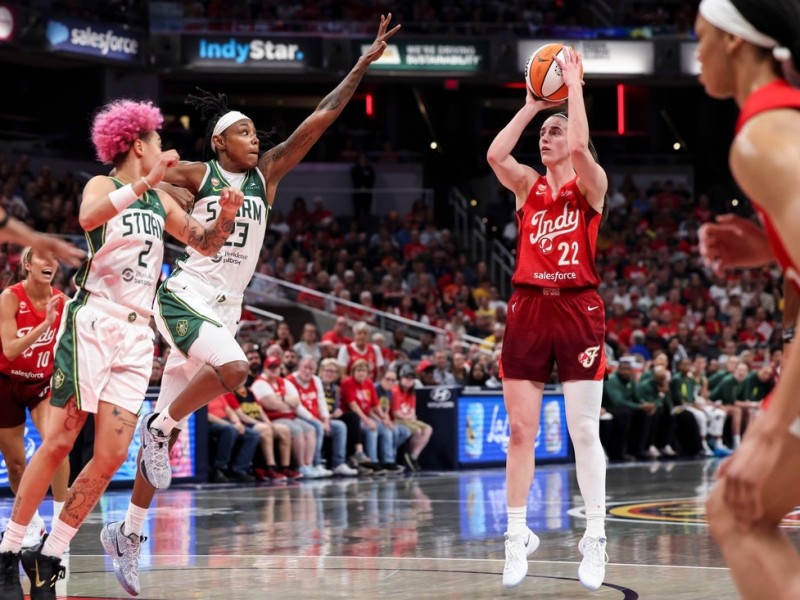
Caitlin Clark makes history, scores career-high 45 as Fever beat Storm
Caitlin Clark delivered the first 40-point, 10-assist performance in WNBA history as the Indiana Fever defeated the Seattle Storm 110-107 on Friday night in Indianapolis.
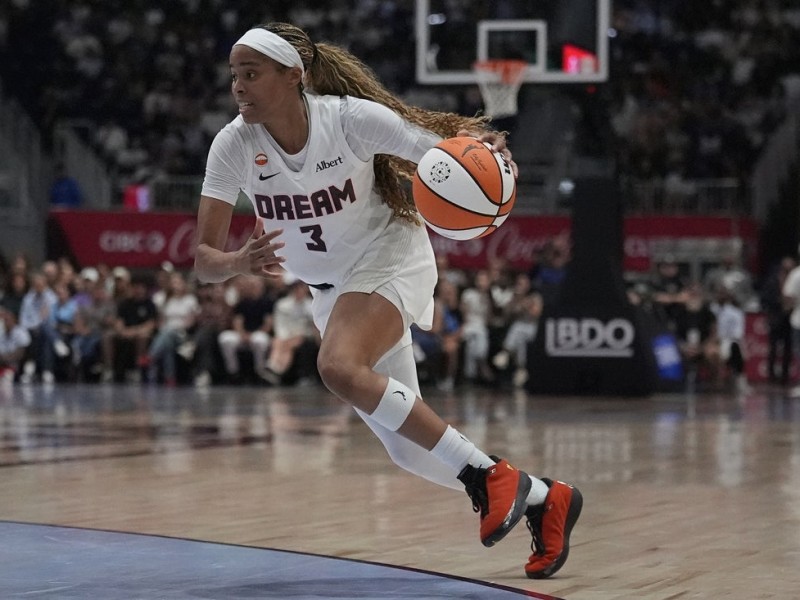
Dream ride balanced attack to take down Tempo
Naz Hillmon scored a team-high 24 points, Angel Reese and Jordin Canada had double-doubles and the visiting Atlanta Dream defeated the Toronto Tempo 111-92 on Friday night.
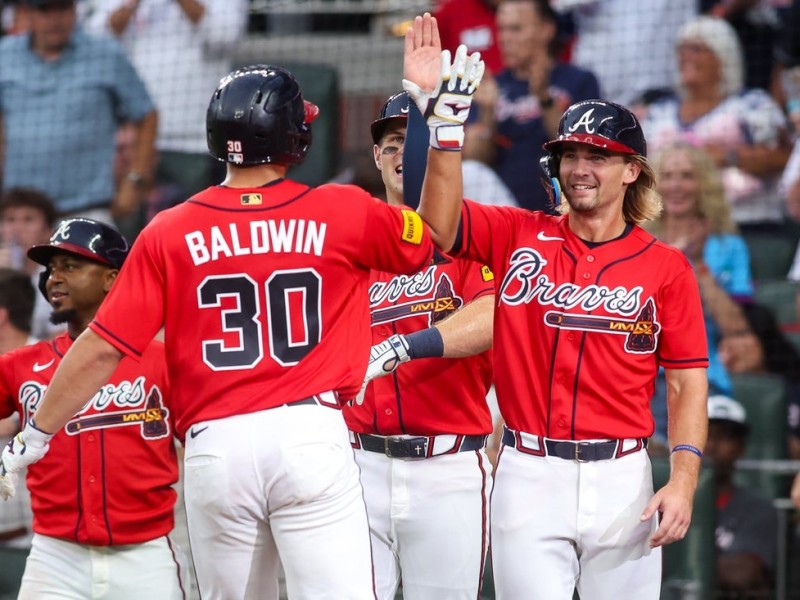
Braves return from break with a bang, dominate Rangers
Drake Baldwin, Matt Olson and Austin Riley all homered and Chris Sale pitched seven scoreless innings to lead the Atlanta Braves to a 15-1 win over the visiting Texas Rangers on Friday in the opener of their three-game set.
