
OUTDOORS: Releasing the big fish
The words of a poem have real-life application
By Bob Kornegay
My first exposure to catch-and-release fishing did not come from the pages of an outdoor magazine. It did not come from watching an episode of a popular fishing TV program. Nor was it taught to me by some long-ago fishing mentor on the bank of a scenic river.
The first time I ever really considered catch-and-release was in an 11th-grade literature class.
Elizabeth Bishop’s poem, “The Fish” tells of an angler’s catching a gargantuan fish of indeterminate species. The fish was old as well as huge. There were lengths of line trailing from its jaw, testament to battles with other fishermen in which the fish emerged victorious. The last line of the poem reads, “And I let the fish go.”
“The Fish” remains one of my favorite pieces of verse, especially now since I am for the most part a catch-and-release fisherman myself.
The narrator of that poem did not originally intend to set his catch free. The decision to release it was made after the angler contemplated the beauty and majesty of the fish and what she considered its hard-earned right to go on living.
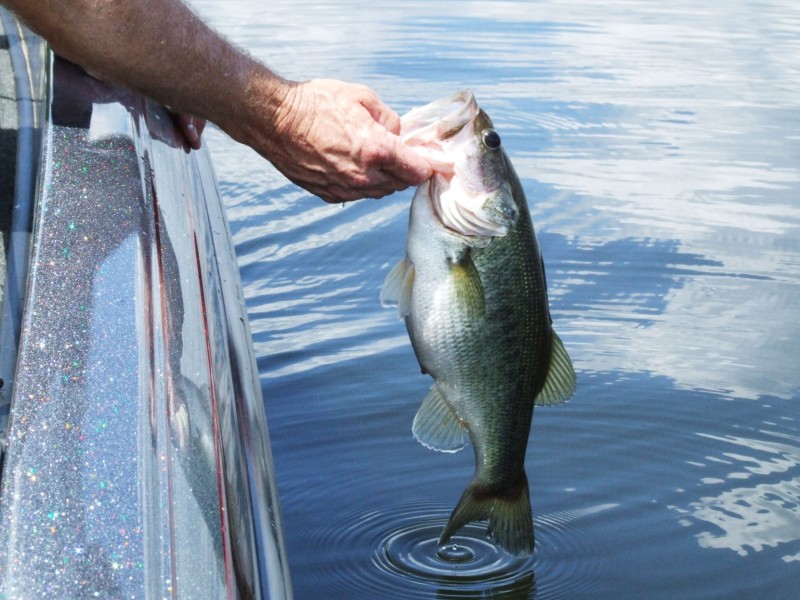
Today, we are not so ethereal or artistic in our catch-and-release motives. Though releasing a fish, a bass in particular, does give most of us a good feeling inside, we are more practical in thinking we are doing something good for a valued natural resource.
Aside from that, why do those of us who do it release most of the bass we catch? Is it that old cliché, “So a noble creature can live to fight again?” Or is there a more realistic, good practical reason?
The best case for the catching and releasing of big largemouths I ever heard came not from a scientist or rabid environmentalist. It came from a plain and simple bass fishermen. He was a direct man who summed the catch-and-release philosophy up in one matter-of-fact sentence.
“When you catch a 10-pound bass and take her home,” he said, “what you’re really doing is taking away your breeding stock.”
Thinking about that for a while, it makes good common sense. That 10-pound bass is one fish in that particular body of water you know for a fact has the genetic programming to potentially grow to a great size. Therefore, it stands to reason some of her offspring will be born with that same potential. Thus, if that same fish is caught and carefully released, think of the trophy-size bass she is capable of producing during the active breeding time she has left. There is no guarantee, of course, but the potential is definitely there. It doesn’t take a fisheries biologist to understand it.
On the other hand, there are the countless smaller fish we catch with more frequency. Those 12- or 14-inch bass are complete unknowns where potential growth and potential production genetics are concerned. Each individual may or may not grow up to weigh ten pounds or more. With these fish, the consideration of releasing them may be tempered with, “Maybe I’ll take a couple of these home for dinner.” A quite acceptable decision, of course, as long as it isn’t overdone.
In the not-too-distant past, the vast majority of us adhered to the philosophy of keeping the big bass and letting the smaller ones go. Somehow it just didn’t seem right to throw back a bragging-size fish we worked so hard to fool. According to many experts, however, what we did with that attitude served largely to deplete much of the big-bass gene pool. Because of that, some say, our chances of catching a bass weighing much over ten pounds (rare at best) have considerably lessened. With the increase in bass fishing’s popularity over the past 40 years, it is becoming even more unlikely.
The bottom line is, bass fishermen enjoy catching big bass. The bigger the better. Unfortunately, with the exception of strains created in hatcheries, the really big native largemouths have become more and more of a rarity. That trend is bound to continue if those of us who keep bass from time to time refuse to let the big ones go. There’s a lot more to a trophy bass than we generally consider when we bring her to hand. As a goal, it’s wise to look at a trophy fish as a beginning rather than an end.
Traditionally, that isn’t an easy thing to do. However, if you do it once, it gets easier over time. The first time, tell yourself you’re doing it for the future of the sport. The second time, pat yourself on the back. The third time, and all the times thereafter, you’ll do it because it just somehow feels right.
Besides, it’s true what they say. The small ones taste a whole lot better than the big ones.
Related Articles
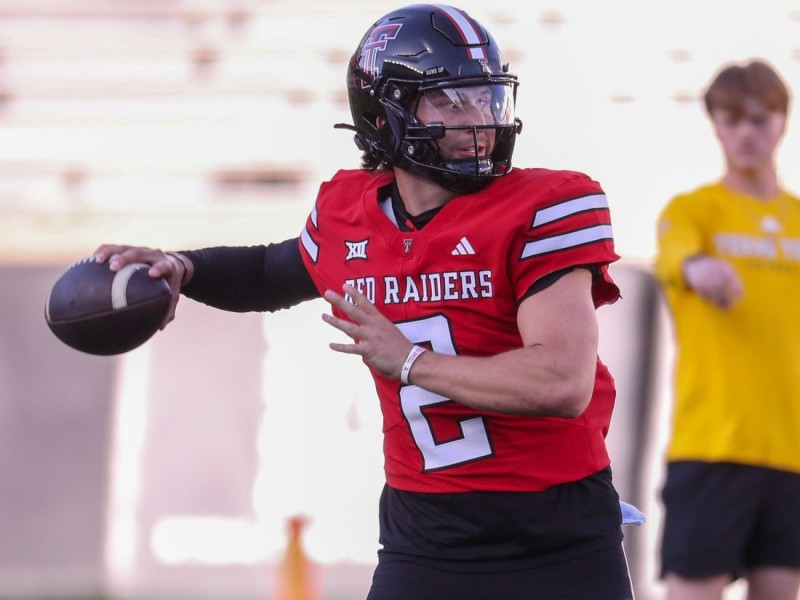
New York Jets could land Brendan Sorsby
There is going to be a run on quarterbacks in the NFL next season, with the draft class shaping up as the best in years, and a handful of teams have positioned their roster rebuilds in hopes of cashing in.
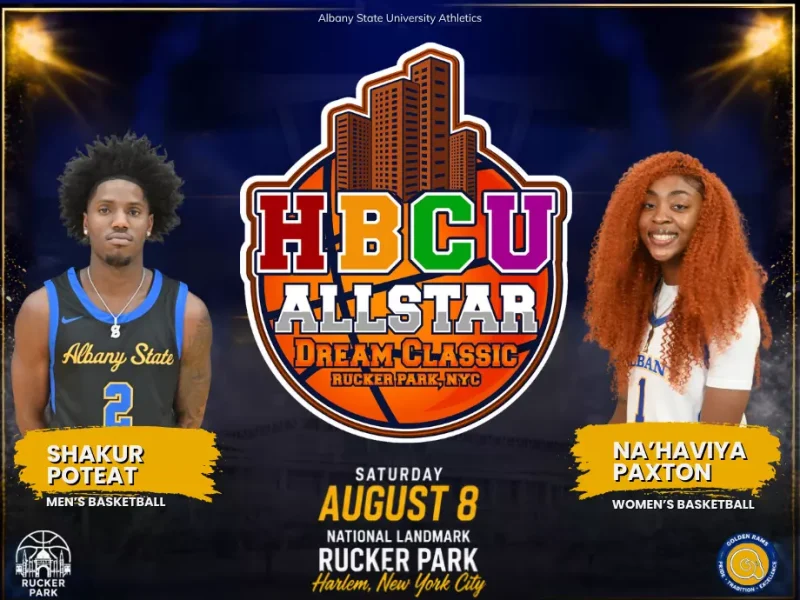
Albany State’s Paxton, Poteat selected for HBCU All-Star Classic
Albany State basketball standouts Na’Haviya Paxton and Shakur Poteat have been selected to participate in the fourth annual HBCU All-Star Dream Classic, scheduled for Aug. 8 at the famed Rucker Park in Harlem, New York.
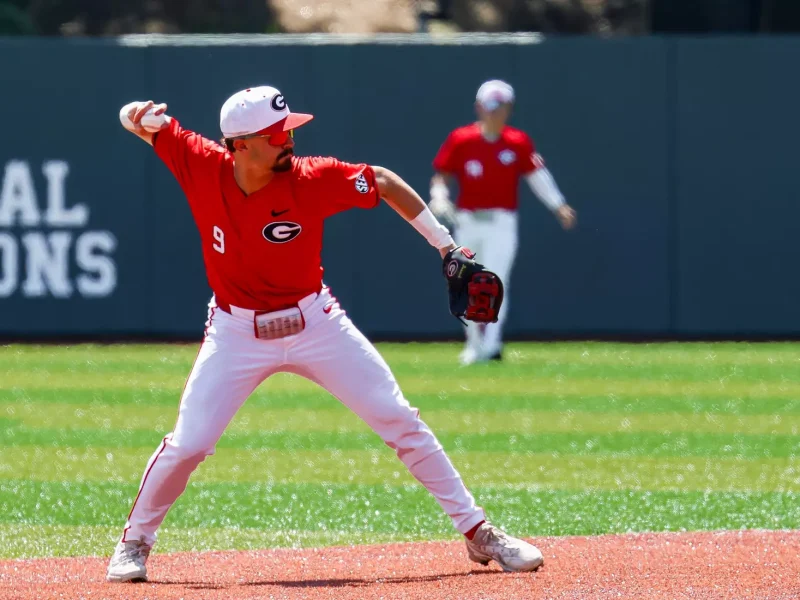
Georgia shortstop Kolby Branch wins Gold Glove
University of Georgia senior shortstop Kolby Branch is a Gold Glove winner after being named to the NCAA Division 1 Gold Glove team.
