
The hunting experience comes in stages
Not all hunters progress through each stage
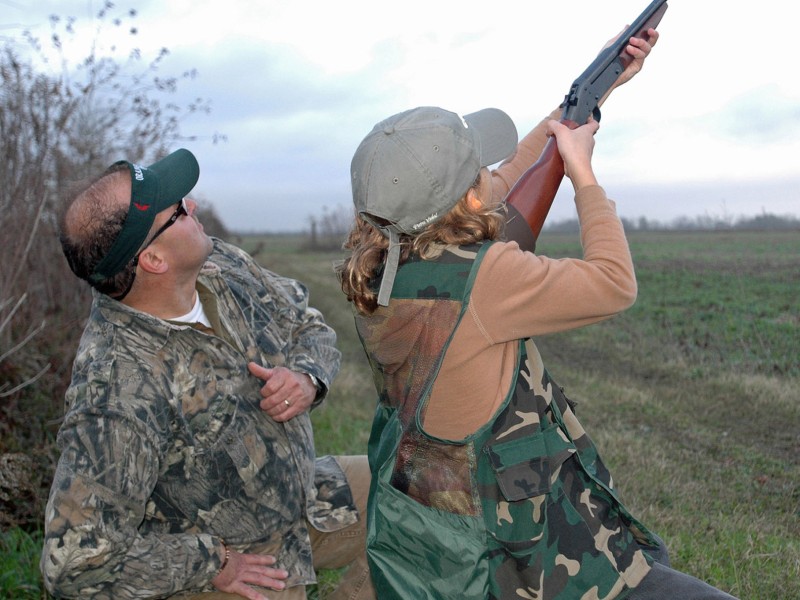
By Bob Kornegay
ALBANY — It is well known that life in general has its developmental periods or stages. Various aspects of life have their stages as well. Sport hunting is no exception.
According to wildlife biologist Daniel Toole, the first of these hunting-lifetime divisions is the “shooting stage,” a phase in which discharging a firearm as often as possible is of primary concern.
“When youngsters begin participating in hunting,” Toole said, “they usually just want to shoot. Children have short attention spans, little patience, and constantly need to be ‘doing something.’ For them, getting off as many shots as possible is far more important than being selective as to game size, age or quality.”
For young hunters in this stage, small game or upland bird hunts are good options. Such hunting excursions allow an adult to spend time with the child and teach him or her to become a more safe, skilled, and responsible hunter. The combination of actively shooting (either in the field or at a range) and mentoring from an experienced and responsible adult helps most young hunters progress rapidly.
“As hunters become more proficient marksmen, many of them become more concerned with the number of game animals they can harvest rather than simply having an opportunity to shoot,” Toole explained. “At this point, the budding hunter has entered the ‘limiting-out stage.’ Unfortunately, some hunters never progress beyond this point and believe they must harvest large amounts of game to be happy and satisfied with their days afield. These hunters expend a lot of effort and energy to fill their bag limits. People who persist in carrying this stage to an extreme can easily portray a negative image of hunting and hunters to the public.”
Fortunately, most hunters progress beyond the stages of wholesale shooting or obsession with filling or exceeding bag limits. They become prudently more selective as to what they harvest. These hunters, according to Toole, are in the “trophy stage.” They are usually more willing to pass up shots on young animals and await the opportunity to harvest more mature or trophy-class game species.
“Hunters in this stage are always striving to learn new techniques and how to improve their outdoor skills in an effort to become better hunters,” said Toole. “They tend to be more focused on one targeted species (like deer or turkeys) and spend countless hours in the field before, during, and after hunting season. They are usually more interested in the application of management and harvest techniques, such as intensive fertilization of forage crops or self-imposed limitation of the buck harvest in a deer herd to improve age structure and antler production.”
The “method stage” of hunting involves hunters who have developed a keener interest in how they harvest an animal rather than the numbers, sizes, or quality of the animals taken. Whether it is harvesting a deer with a longbow or shooting a turkey with a muzzle-loading shotgun, it is the challenge and satisfaction of the method of harvest that really matters in the end.
“Fortunately,” Toole concluded, “there are still hunters who progress to a step in their hunting lives called the ‘sportsman’ or ‘experience stage.’ These individuals realize that hunting is more than just shooting or harvesting an animal. The success of the hunt is measured by the overall experience, be that the appreciation of the outdoors, respect for the animal being hunted, the process of the hunt itself, or the camaraderie shared with fellow hunters. These folks realize the importance of introducing and teaching new hunters about the outdoor experience and always try to act in an ethical and legal manner to help ensure that hunting can be enjoyed by generations to come. As a rule, hunters of this type make very good mentors for young hunters in the shooting or limiting-out stages.”
Of course, not all hunters progress through each stage nor do they necessarily do it in this order. Some progress more slowly than others and some never go from one stage to the next. It is, however, very important for all hunters to understand this “growth” process and assist others in becoming more mature and responsible. If everyone eventually decides to strive to reach the stage of “sportsman,” the future of hunting will loom bright indeed.
Related Articles
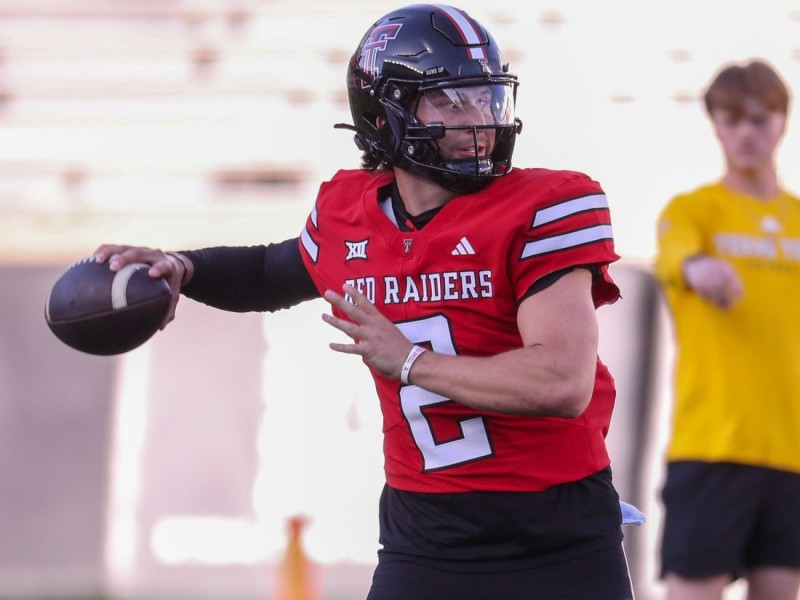
New York Jets could land Brendan Sorsby
There is going to be a run on quarterbacks in the NFL next season, with the draft class shaping up as the best in years, and a handful of teams have positioned their roster rebuilds in hopes of cashing in.

Albany State’s Paxton, Poteat selected for HBCU All-Star Classic
Albany State basketball standouts Na’Haviya Paxton and Shakur Poteat have been selected to participate in the fourth annual HBCU All-Star Dream Classic, scheduled for Aug. 8 at the famed Rucker Park in Harlem, New York.
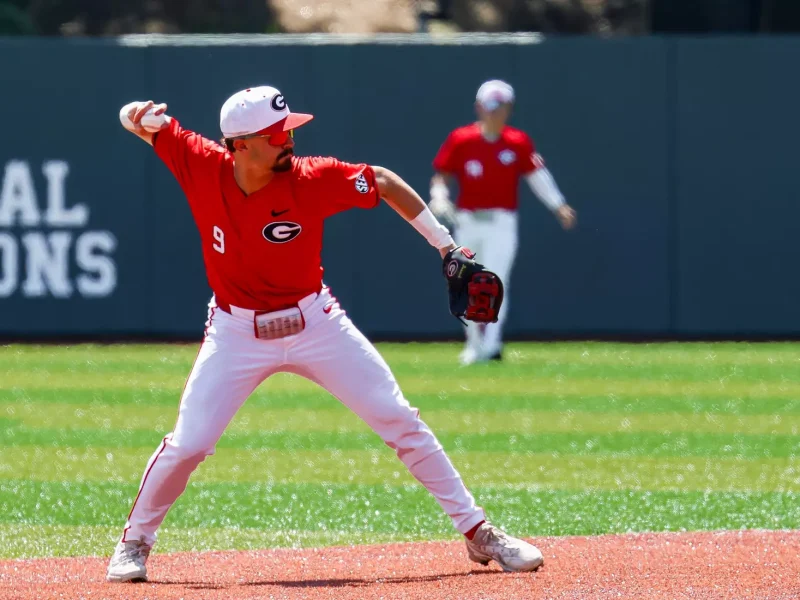
Georgia shortstop Kolby Branch wins Gold Glove
University of Georgia senior shortstop Kolby Branch is a Gold Glove winner after being named to the NCAA Division 1 Gold Glove team.
