
Georgia Superintendent of Schools: Incumbent, challenger both call for cutting back on standardized testing
Republican Richard Woods and Democrat challenger Lydia Powell are both vying for GA State School Superintendent.
By Rodney Manley
The Dublin Herald
The State School Superintendent manages public education in Georgia, serving as chief executive officer of the Georgia Department of Education and as executive officer of the State Board of Education. The superintendent oversees the allocation of state and federal education funds to local school districts, and sets and administers policies for curriculum standards and statewide testing.
Who’s on the 2026 ballot
Republican Richard Woods, the incumbent, taught high school social studies for 14 years and later served in various leadership roles that included principal, pre-K director and curriculum director. He was elected state school superintendent in 2014.
Democrat challenger Lydia Powell, an assistant high school principal, is also a former social studies teacher. In addition to educator and administrator, her roles have included culture and inclusion trainer and cheer and step team coach.
How they got here
Woods held off challenger Fred Longgrear in a tightly contested Republican primary, winning with 51.5% of the vote to Longgrear’s 48.5%.
Powell won three-candidate Democratic primary, narrowly avoiding a runoff with 50.5% of the vote but finished far ahead of second-place vote-getter Anton Anthony, who had 29.8%.
The campaign trail for GA school superintendent
Woods is campaigning on success in increasing school safety budgets, raising graduation rates and eliminating the Common Core standards from school curricula. He also pushed for legislation that gives the state more oversight in local school board finances – a direct response to the Dublin City Schools’ financial crisis.
Powell wants universal access to preschool education, less reliance on standardized testing and stronger student support networks in rural Georgia. She says by strengthening partnerships with social services, Department of Family and Children Services and school resource officers, districts can better address what Powell calls “whole-child needs.”
Related Articles

These 3 constitutional amendments are on the 2026 ballot in GA
Georgia voters will be charged with deciding the fate of three constitutional amendments on this year’s ballot.
They include measures to shore up funding for the future of 911 systems, an increase on the amount of agricultural and timber property that can be classified for conservation use, and changes to how probate judges are elected across the state.
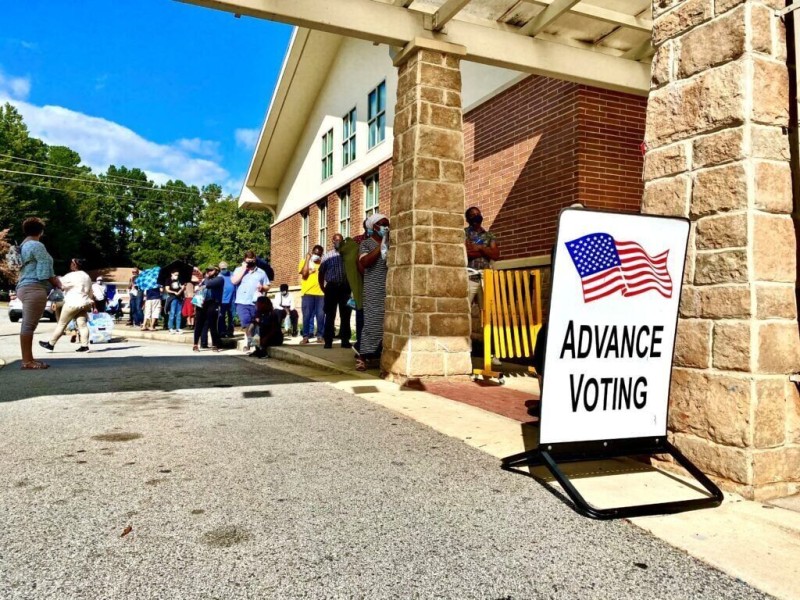
Voting in the Georgia 2026 midterm elections? Here’s key information
Georgia’s 2026 general election could be one of the most impactful in the country, so residents need to be sure they understand how to register to vote and where to find their polling place.
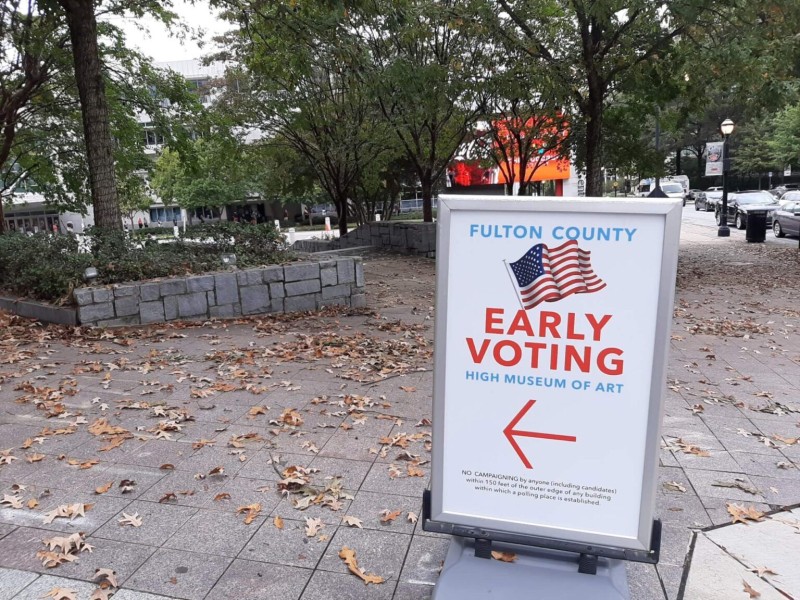
Never voted in Georgia? Here’s what you need to know before Nov. 3
If you want to vote in Georgia’s Nov. 3 general election, there are three essential steps: register by Oct. 5, check your registration, and decide how you want to vote.
