
Update presented by COAGE on Georgia legislation, budget for the state’s elderly
Engage with COAGE presented Thursday at SOWEGA Council on Aging
By Jennifer Parks
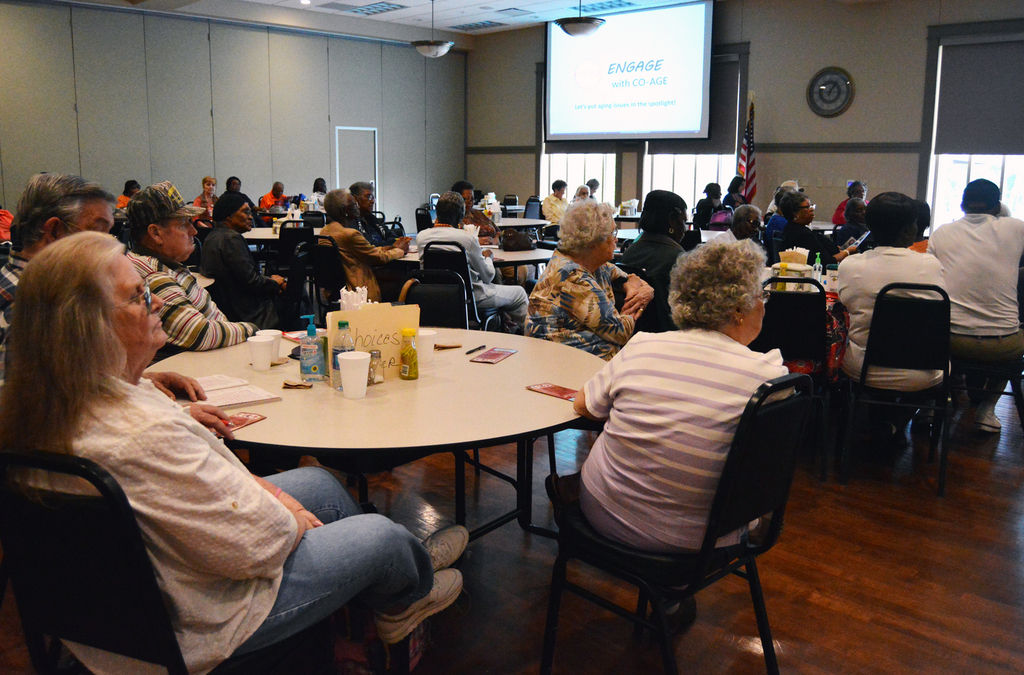
ALBANY — The SOWEGA Council on Aging hosted Engage with COAGE at the Kay Hind Senior Life Enrichment Center Thursday, a meeting held as an opportunity to discuss what the most recent General Assembly session did for the state’s senior population and to plan for future action.
COAGE is the Coalition of Advocates for Georgia’s Elderly, a group devoted to advocating for issues impacting seniors.
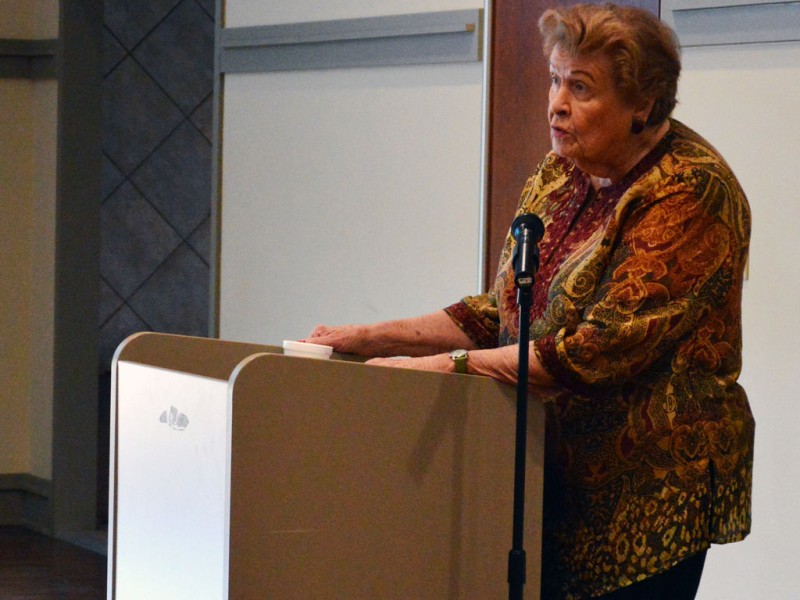
Kay Hind, executive director of the SOWEGA Council on Aging, presented, along with COAGE members, via a video presentation. Individuals in the coalition, Georgia Council on Aging officials said, took action in the past year and reached out to legislators to ask for support.
During the most recent session, almost $7 million was approved in new funding for aging services. Almost $5 million was allocated for in-home services, something thousands of seniors in Georgia are on waiting lists for. About $2.3 million was allocated for the Community Cares program, meant for keeping people out of nursing homes when feasible, and $2.05 million was set aside for home and community-based services.
The approved funding also included $1 million committed to help transition people from nursing homes to less costly placements, $1.02 million for additional adult protective service workers and $500,000 for Meals on Wheels.
Passed legislation included House Bill 1037, meant for expanding existing Certified Nurse Assistant Registry to permit receipt of complaints on CNAs working in all settings and to allow providers and consumers to check one out before hiring them. A commitment has been made to have subcommittee meetings during the off-session to study the creation of a comprehensive abuser registry in Georgia, legislation which is expected in 2017.
The Georgia Dental Hygienist Association brought to COAGE House Bill 684, which ultimately stalled. If it had passed, it would have allowed dentists to authorize hygienists to perform preventive care services without the dentist present in safety nets such as nursing homes. Officials said the stall took place after the Georgia Dental Association urged their members to oppose it.
GDHA is expected to bring HB 684 next year, Hind said.
The Family Care Act, or Senate Bill 242, would have allowed workers who accrued sick leave to use those sick days to care for a parent, spouse or child. The bill passed the Senate Health and Human Services Committee but did not make out of Senate Rules before Crossover Day on Feb. 29.
Hind said SB 242 is also expected to be brought back, and she used the platform on Thursday to encourage those interested in issues relevant to the aging population that can be corrected by state legislation or budgetary action to speak up and join COAGE, encouraging communication with legislators in general.
“Ask the candidates if they support aging services,” she said. “I’ve done that, and they’ve all said yes.”
Other bills of interest to the aging population that passed were the Uniform Guardianship Act, Nursing Home Liability Bill, and the Achieving a Better Life Experience, or ABLE, Act. A power of attorney bill, HB 918, and SB 389, aimed at the Supplemental Nutrition Assistance Program and Temporary Assistance for Needy Families, did not pass.
Related Articles
Dougherty Commission considers $104 million budget for 2026-2027 budget year
“The other side of the coin is you could have higher revenues than projected. We’re very conservative in budgeting revenues. That also reduces the need to use fund balance”
Albany police investigate suspicious Sunday death
A 21-year-old Turner Job Corps student who was found unresponsive on Sunday evening was later pronounced dead at Phoebe Putney Memorial Hospital. The death is under investigation.

James Rubino installed in new role at Marine Corps Logistics Command in Albany
James L. Rubino recently assumed the role as executive deputy of Marine Corps Logistics Command in Albany. In his new role he will oversee integrated logistics support.
