
Albany, Dougherty County leaders plan SPLOST town hall meeting
Officials, staff to discuss special 1 percent tax and how projects impact community
By Carlton Fletcher
ALBANY — Whether it’s mispronounced (“SPLOSH,” anyone?) misdirected (the infamous Albany arch) or — more likely — just plain misunderstood, the 1 percent special-purpose local-option sales tax (that’s SPLOST) has changed the face of Albany and Dougherty County dramatically since it was first approved by voters in the community.
Still, SPLOST is one of the most confused — yet important — pieces of government business that commissions, councils, boards and other government agencies ever deal with. At stake is the use of, in Dougherty County’s case, hundreds of millions of dollars that have been utilized over the years to fund improvements that would otherwise have been paid for solely by the city and county taxpayers … or, ominously, not done at all.
Two city and county leaders, along with Albany and Dougherty County staff members who are instrumental in the SPLOST process, will take part in a town hall meeting Saturday morning at the 1721 E. Oglethorpe Blvd. Community Center. The meeting is designed to help with the education process.
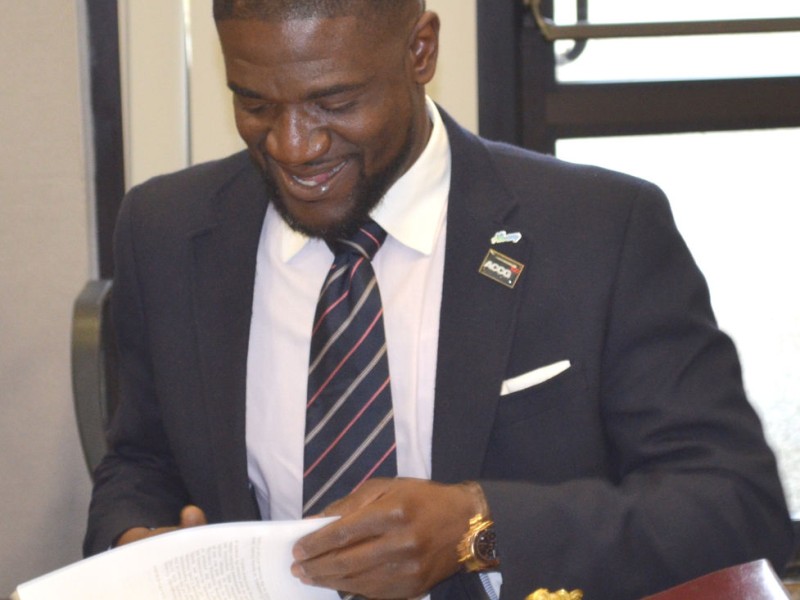
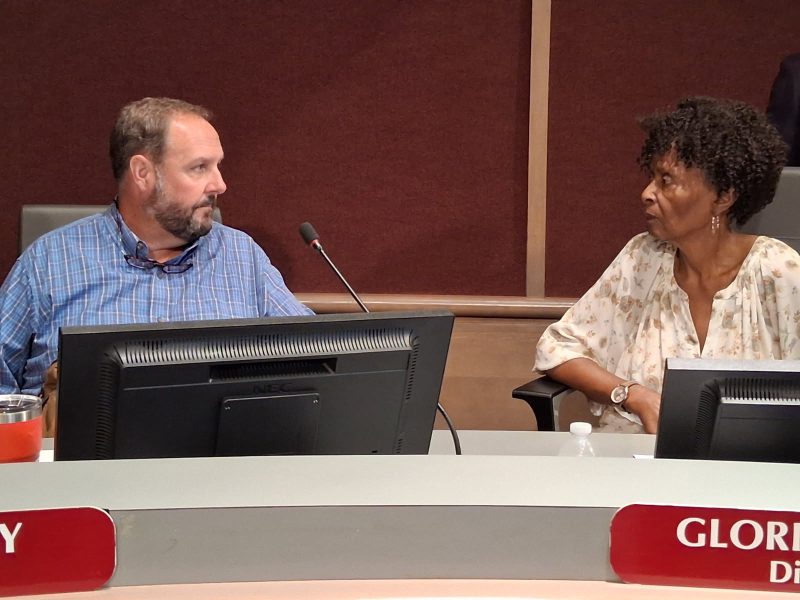
Ward I City Commissioner Jon Howard and District 3 County Commissioner Clinton Johnson are jointly hosting the 10 a.m. town hall meeting, which will also include information from Assistant City Manager Phil Roberson and Assistant County Administrator Mike McCoy. Also taking part in the meeting will be County Attorney Spencer Lee and his city counterpart, Nathan Davis.
“I think the biggest part of the misunderstanding about SPLOST is a matter of miscommunication,” Johnson said Wednesday. “Because collecting and utilizing SPLOST taxes is sometimes a six- or seven-year process, a lot of the voters who are actually seeing SPLOST projects under way now are seeing projects from SPLOSTs III, IV and V. Plus, there are a lot of infrastructure issues that the city in particular is working on that impact everyone in the city and county.
“I also think part of the problem is that, sadly, many in the public simply don’t have faith in government. In the case of SPLOST, it is our responsibility as city and county officials to make these projects tangible, to educate the public about the successes we’ve had through SPLOST, so we can start restoring that faith. Understanding the process helps tremendously.”
City and county voters will determine whether to enact the 1 percent SPLOST VII tax for the next six years during the Nov. 8 general election.
Author

Related Articles
Georgia’s school funding formula still ignores poverty; educators say students pay the price
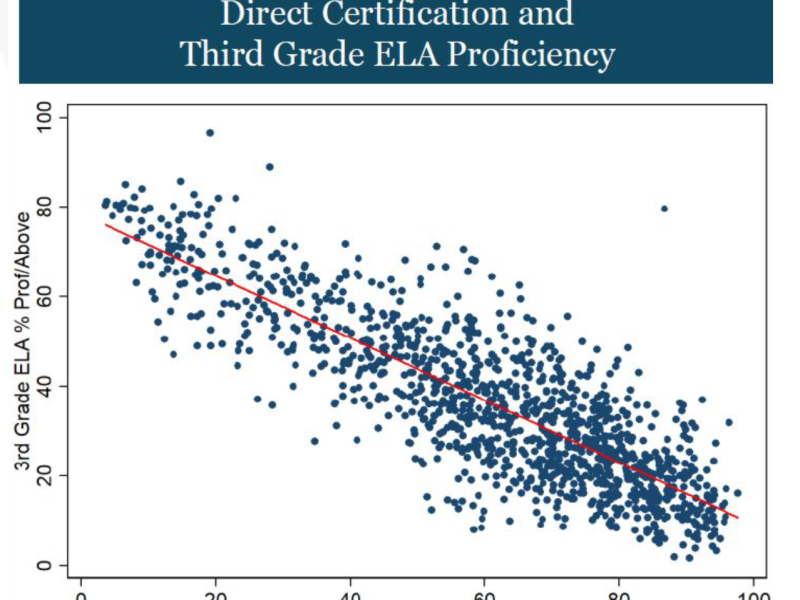
During a report to the board on the outcomes of this year’s legislative session, Dyer discussed the district’s efforts to persuade lawmakers to add an “opportunity weight” to Georgia’s Quality Basic Education (QBE) funding formula — a change supporters say would provide additional state funding for students living in poverty.
Red light violations will bring citations at a dozen Albany intersections
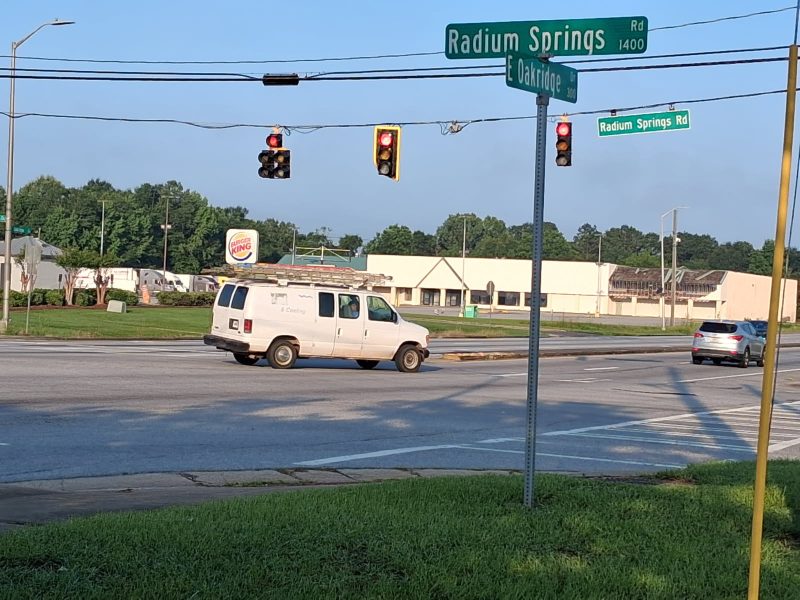
“That was always the goal of the school zone cameras, to change the behavior. It’s the same with the red lights, we want to change the behavior. When you see a yellow light, you need to slow down and prepare to stop.”
Dougherty Commission considers $104 million budget for 2026-2027 budget year
“The other side of the coin is you could have higher revenues than projected. We’re very conservative in budgeting revenues. That also reduces the need to use fund balance”
