
MARY BRASWELL: Looking back at August 1947.
HISTORY: The first of the baby boomers were toddling about while 3.8 million more were born before 1947 ended.
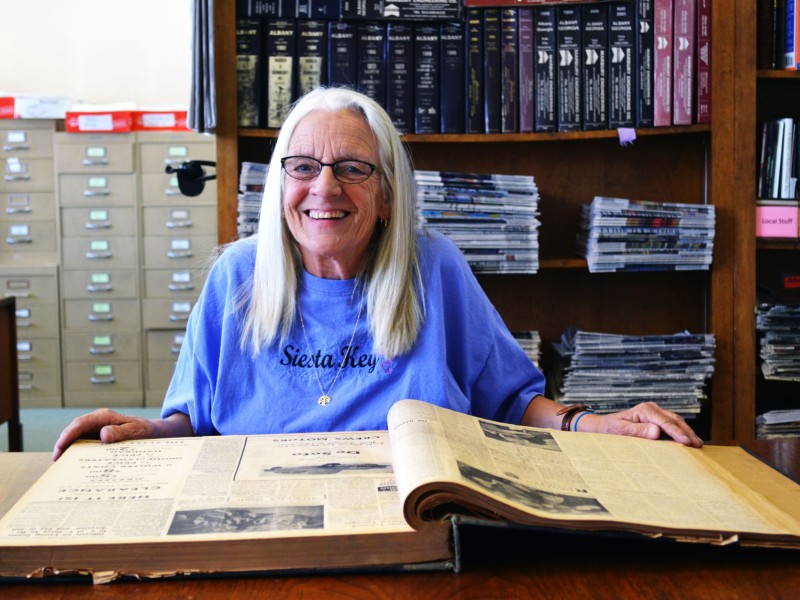
By Mary Braswell
Each week Albany Herald researcher Mary Braswell looks for interesting events, places and people from the past. You can contact her at (229) 888-9371 or [email protected]. Follow @MBraswell on Twitter.
With World War II over, what became known as the Baby Boomer era was in its second year. Before the year ended, 3.8 million babies were added to the 3.4 million born the previous year. Here is a look back at what was making the news during August 1947.
— The City of Albany purchased two lots for the anticipated construction of two new grammar schools. One lot was at the corner of Cleveland Street and Highland Avenue. The second lot was located in the northwest section of the city at the corner of Fourth and 14th streets.
— Applications were being submitted at the rate of 30-40 per day for positions with the Clark Thread Co. in Albany. It was expected that the mill, in the near future, would employ 1,500-1,600 workers. A training school was underway for the industry, with the first 50 employees already on the job.
— Silver’s 5-10 and $1 store on Washington Street had the following items at special prices: pineapple preserves, 39 cents for a one-pound jar; pure lard, 24 cents per pound; brown or confectioner’s sugar, 12-cents per pound, and all name brands of cigarettes, $1.65 per carton.
— Fifty-nine people attended a free tuberculosis clinic held in Seminole County. A mobile unit, furnished by the state health department, was traveling from county to county. It was equipped with the most modern of X-ray machines to perform the tests.
— The Circle M Cotton Mill in Poulan resumed operations after a three-month shutdown. All employees were invited to return to the much-improved plant, which featured a new electric water pump.
— One of the largest stormwater projects ever undertaken in Southwest Georgia was completed. A wide network of storm sewers had been laid underground throughout Albany at an investment totaling about $700,000. A pump station in South Albany was waiting only for the equipment, ordered more than a year before, to arrive.
— The Lawson Lumber Company sawmill, just outside the city limits at Slappey and Gillionville, was destroyed by fire. Three Albany firefighters were injured; the most serious was a head injury from falling timbers. The loss was estimated at $60,000.
— A thief entered the St. Teresa Catholic Church parish house on Roosevelt Avenue. He was arrested the same day for stealing a number of shirts, a wallet with $36.50 inside, two fountains pens, one pencil, two rosaries, one clock and one completed sermon prepared by the priest.
— Albanians were required to use the regulations set forth by the city for garbage disposal. All cans were to hold between 15 and 32 gallons of garbage, be constructed of metal and have tight lids. No oil drums were allowed. Dumping in alleys was strictly forbidden as the city fought to eradicate rodents and insects, both of which were the culprits of numerous diseases. Violators could expect to be fined for not following the sanitation laws. The city picked up canned garbage once each week.
— War Department officials asked that Albany deed the land at Turner Field to the government. Plans were to retain the location as a stand-by installation for the future. It was stated in the proposal that the land, including improvements, would be returned to the municipality when and if it were declared surplus by the government. Within a couple of weeks, it was announced that the base was to be reactivated and become home to the newly organized 31st Fighter Wing, Ninth Air Force, Tactical Air Command with housing for 1,437 officers and enlisted men.
— Moultrie High School was the Southwest Georgia location for veterans to take tests for a high school diploma. If a passing grade was scored, the veteran would be issued a diploma from the high school he attended before the war. If for some reason that was not possible, a certificate could be issued from the State Department of Education. All veterans were required to present discharge papers and pay $2.50 at the time of the test.
— Renters in Albany were reminded to report any and all violations of the federal Rent Control Act. Under the law, landlords were required to petition the local rent board for a rent increase. The petition also required the signature of the tenant. Submission of such a petition did not in any way guarantee an approved increase in rent for the landlord. Approximately 28 percent of the petitions for increased rent were rejected in Albany in any given month.
— East Dougherty County farmer Frank Fleming, based on the previous year’s crop, won the county cotton yield contest with 1,526 pounds of seed cotton per acre. While cotton was no longer the cash crop it once was, there were still 3,000 acres of cotton in Dougherty County.
— Thirteen people in Bainbridge were struck unconscious by lightning. The group had been gathering peanuts when bad weather came, so they sheltered under a tarp that was attached to a fence. The lightning hit a tree that had a limb touching the fence.
— Lakefront lots at the development on Cromartie Beach were available for prices ranging from $350-$700.
— Customers at the J.C. Penney store in Dawson were greeted by one or more of the specially selected 11- to 13-year-olds chosen to run the store for a day. Both boys and girls alike assisted customers on Aug. 15 as a kickoff to the store’s Back-to-School Days. All schools in Southwest Georgia were scheduled to re-open on Sept. 8 — Labor Day.
QUIK QUIZ ANSWER: (a) Americus
Runaway construction costs were blamed for the delay in construction of planned VA hospitals. One such delay included the hospital in which Southwest Georgia location?
a) Americus
b) Blakely
c) Colquitt
d) Dawson
Answer is at the bottom of Mary’s Looking Back column.
Related Articles
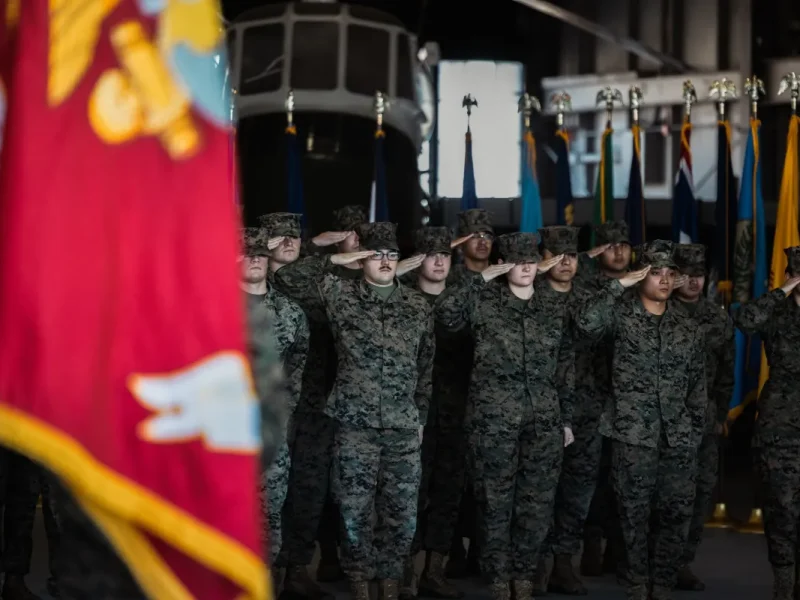
‘Sounds Like a Mutiny.’ Secret Recording Exposes Claims of Toxic Leadership After a Marine’s Suicide
This week’s War Horse story follows the systemic failures before and after the death of Cpl. Drew Mobley who was the third in two years at Marine Corps Base Quantico to die by suicide.

Southwest Georgia artists recognized at packed opening of exhibition
The annual juried exhibition, one of the region’s largest showcases of visual art, features approximately 46 artists and nearly 90 works spanning painting, sculpture, ceramics, photography and mixed media.
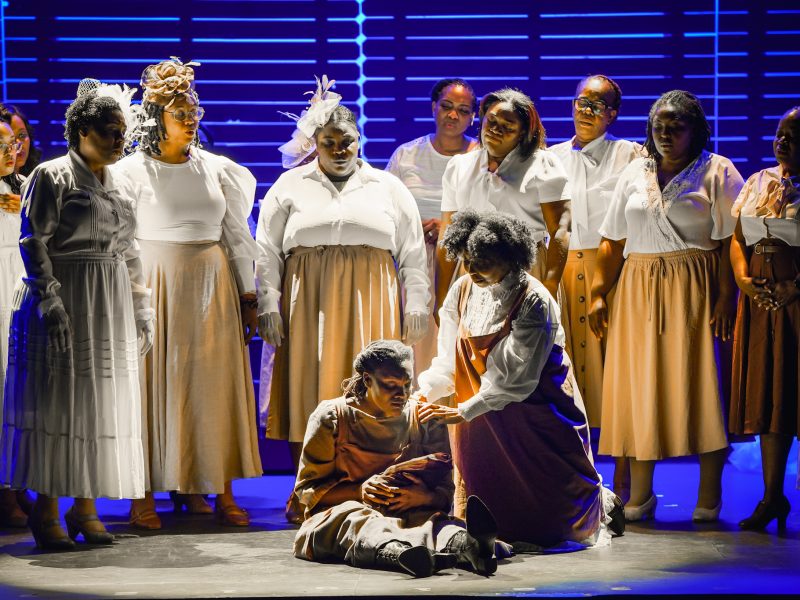
Powerful performances drive Theatre Albany’s ‘The Color Purple’
From the street, strands of purple ribbon wind around the white columns of the historic theater, hinting at the story waiting beyond its doors. Inside the foyer, a carefully curated slideshow flickers across a large screen, cycling through the faces of the cast. Some are seasoned performers. Others are stepping onto a stage for the very first time. Teachers stand alongside former students. Parents perform beside their children. People who worship in different churches, work different jobs and come from different corners of Southwest Georgia gather beneath the same lights to tell the same story.
