
After 15 years, 9/11 memories still haunt Dougherty County Coroner Michael Fowler
Michael Fowler spent 10 weeks after 9/11 helping identify remains of victims
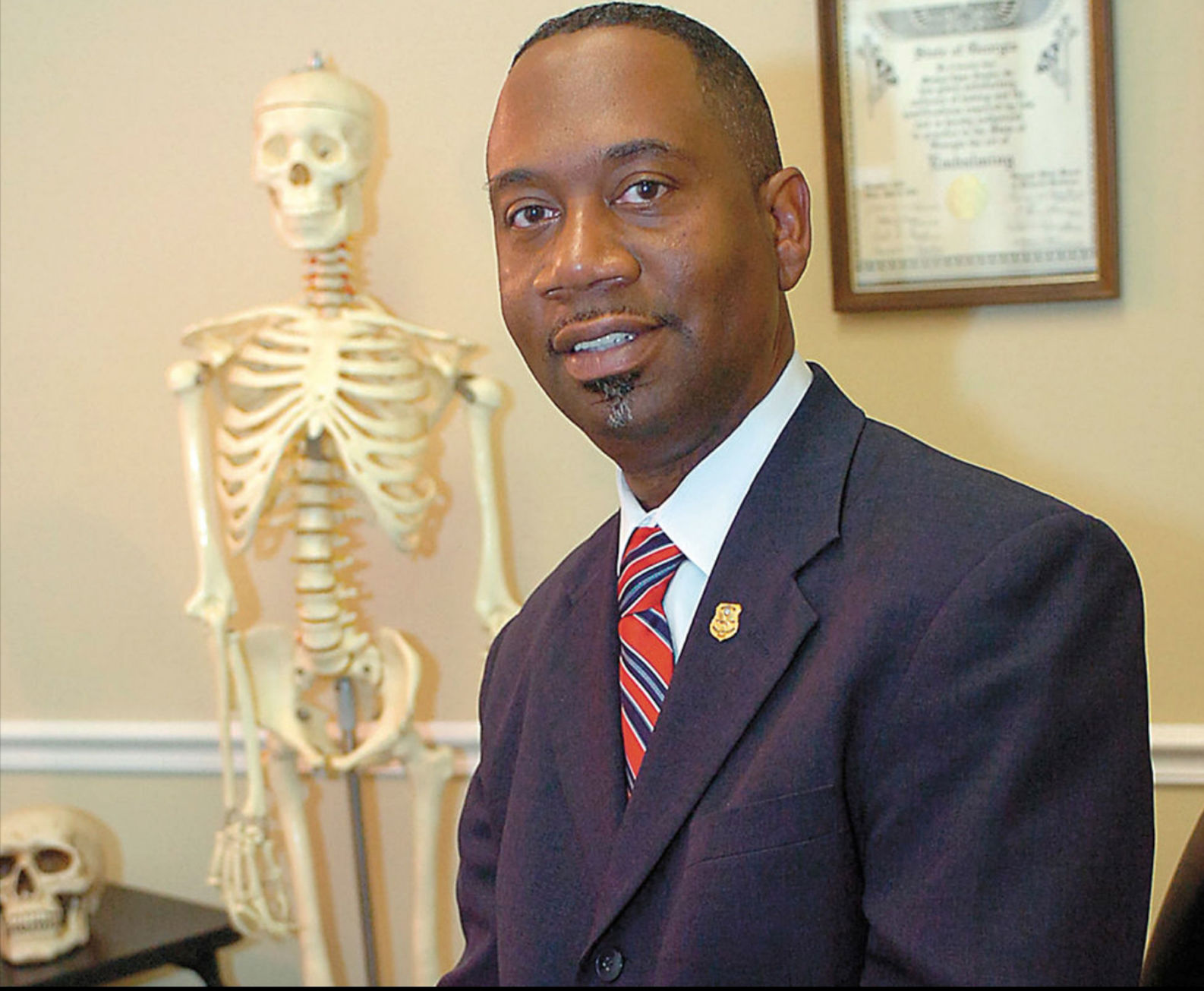
Special Photo: Michael Fowler
By Jon Gosa
ALBANY — Today marks the 15th anniversary of the tragedy that occurred on Sept. 11, 2001, when 19 terrorists took the lives of almost 3,000 innocent men, women and children in an act of heinous cruelty.
The scale and devastation of that day still haunts many Americans. Often the story of those who helped in the aftermath, such as firefighter, police, medical technicians and coroners who came from all across the nation, is overlooked because of the almost incomprehensible horror of those events that changed America forever.
Terrorists took over four jetliners the morning of Sept. 11, slamming two into the World Trade Center and crashing a third into the Pentagon. A fourth airliner, Flight 93, was crashed in a field in Pennsylvania when passengers mounted an attack on the terrorists who had taken over its controls, preventing it from reaching the terrorists’ target.
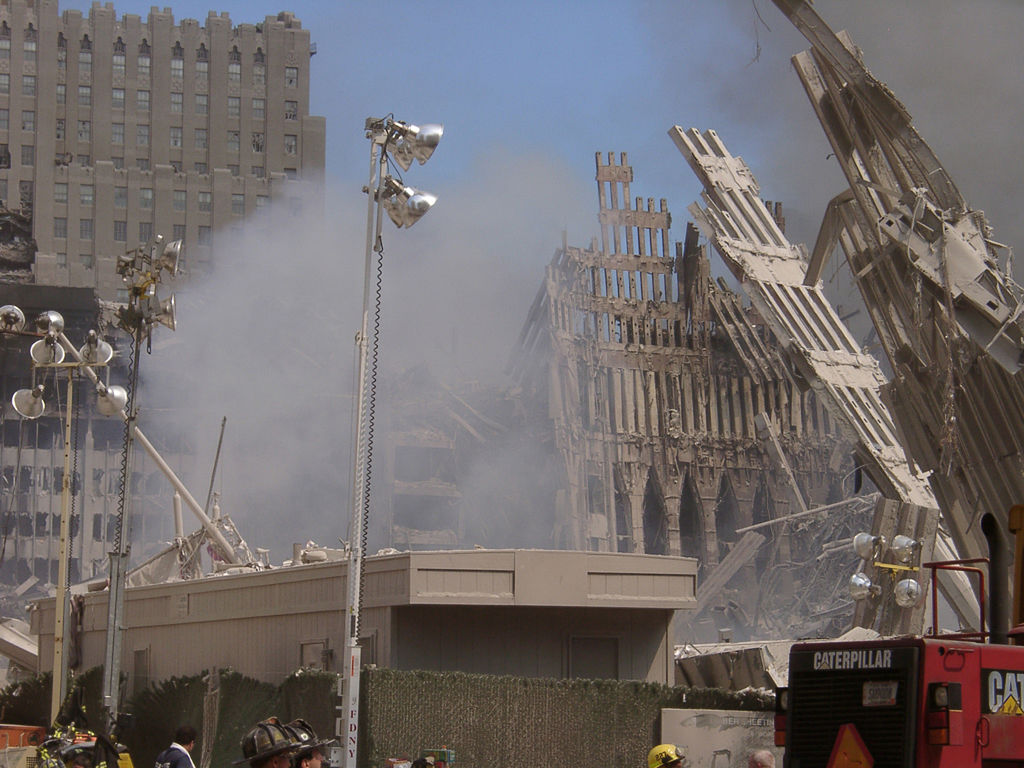
Michael Fowler, now Dougherty County coroner, was a forensic pathologist assistant with the GBI and went to New York to help. Fowler and others had to sift through mountains of smouldering debris for months to identify victims, sometimes piece by piece, in an attempt to bring closure to the thousands of families who lost loved ones.
“I believe this profession is a calling,” Fowler said. “I don’t believe any person is strong enough to do it without God’s help. I have prayed to God for strength every day of my career, especially during that time after 9/11. I still have a lot of flashbacks and memories of that time, but God has given me strength. I believe God put me in this profession for a reason.”
Fowler, who also was a member of the National Disaster Medical System’s Mortuary Team, was at the Secretary of State’s Office in Atlanta the morning of the attacks.
“I got a call that morning that I needed to get home, get my bags and get to New York,” Fowler said. “I didn’t know what was going on. At first, I thought it was a joke when they said the (World Trade Center) Towers had been hit, but it wasn’t. All flights were cancelled and we had to get to New York as soon as possible. We all piled up in different vans and everyone headed to New York that night.”
Fowler arrived at what was left of the World Trade Center on Sept. 12.
“We worked through the medical examiner’s office there in New York, so we had to come under his system and do what he needed us to do,” Fowler said. “They asked me to go down to ground zero. I worked down at ground zero for the first three weeks after the attack.”
According to Fowler, refrigerated transfer trucks were used to store remains until they could be identified.
“There were so many remains,” Fowler said. “Not necessarily whole bodies, but we may get a hand, we may get a foot, we may get a head or we may get just a whole leg. So, we had to put them in coolers until we could positively identify who that person was.”
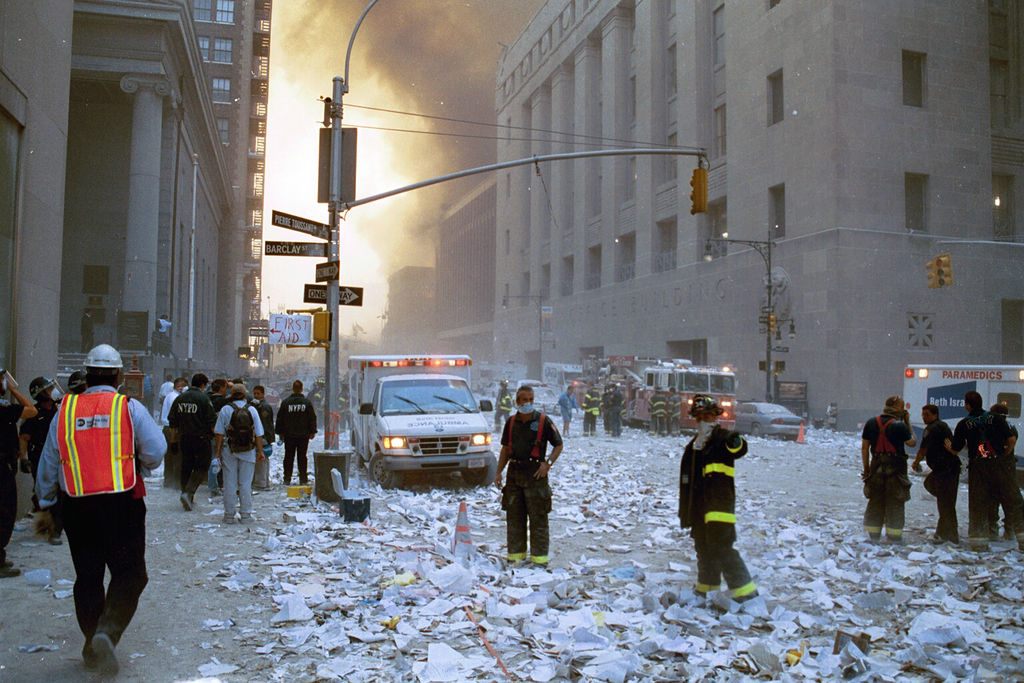
The already overwhelming job of working at ground zero was exacerbated by enormous crowds of people anxiously searching for family members who were missing.
“We had to be escorted by the police officers because we could not get down town,” Fowler said. “So many individuals were heading down town because their loved ones were lost. We had to find a way and the police would escort us through town to get us down there.”
Fowler described a lot of his time there as being surreal and haunting. The lost expressions on the faces of those searching for missing family or friends, hoping that their loved ones somehow would be found unhurt or alive, were images that could not be forgotten, Fowler said.
Within days, thousands of missing posters containing the images and names of people who had vanished when the towers fell were pasted to the walls of buildings in the surrounding area. Frantic people were searching, hoping and praying for answers.
“A few days later in downtown there were pictures all over the walls,” said Fowler. “Everyone was looking for their loved ones. They had to bring pictures and put them on the wall and sometimes an individual was found. Sometimes somebody would see a picture and realize that person was across town, but most weren’t.”
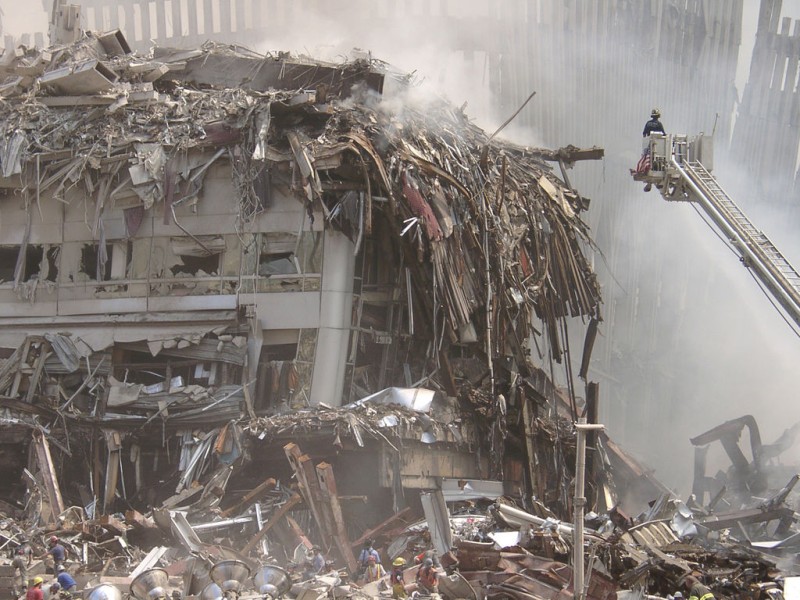
Working in and around the rubble of the collapsed towers was an extremely dangerous job, not only because of the instability of the debris, but also because of the enormous heat, according to Fowler. Many fires that still burned below the surface would often flare up.
“We had to carry extra gloves and boots,” Fowler said. “Every 30 minutes or so, you had to come off the pile because your boots were going to be gone. It was that hot. They would literally melt. It was chaos down there. The morgue was like three blocks away, so we were constantly shipping remains out of the site.
“We had to sift through everything, because we didn’t want to miss anything, but it was dangerous. When the wind would blow, glass would fall from broken windows higher up on the pile. If you didn’t have a hard hat on, you could get cut because glass was falling out of the building.”
Fowler was no stranger to tragedy, having worked disasters such as Korean Airlines’ 1997 crash of flight 801 in Guam and Hurricane George in 1998. After 9/11, he helped with the Southeast Asia tsunami in 2004, Hurricane Katrina in 2005 and the 2010 earthquake in Haiti. The disaster of 9/11, he said, was the most heart-wrenching experience of his career. He spent more than 10 weeks at the World Trade Center site, identifying the remains of victims lost during the most infamous terrorist attacks in American history.
“I have been to quite a few disasters, but this is one of the most heartfelt places that I went,” Fowler said. “When I got a chance to walk around the trade center, you could feel the grief of the people. I have never cried at a disaster in all my life, but when I got to the trade center and walked around there with so many family members outside the barricades begging you to please find their loved one and trying to give you a picture. It was so sad.
“You would have children saying, ‘I’m just trying to find my dad, please find my dad.’ It was so heartfelt. I had never been to a site like that and I don’t ever want to live that again.”
Related Articles
Small actions can help save big on utility bills
The high temperatures of July and August can bring scorching utility bills as air conditioners hum to keep houses cool. Albany Utilities Residential Conservation Auditor Willie Jackson offered some tips on making summer cooling bills more manageable.
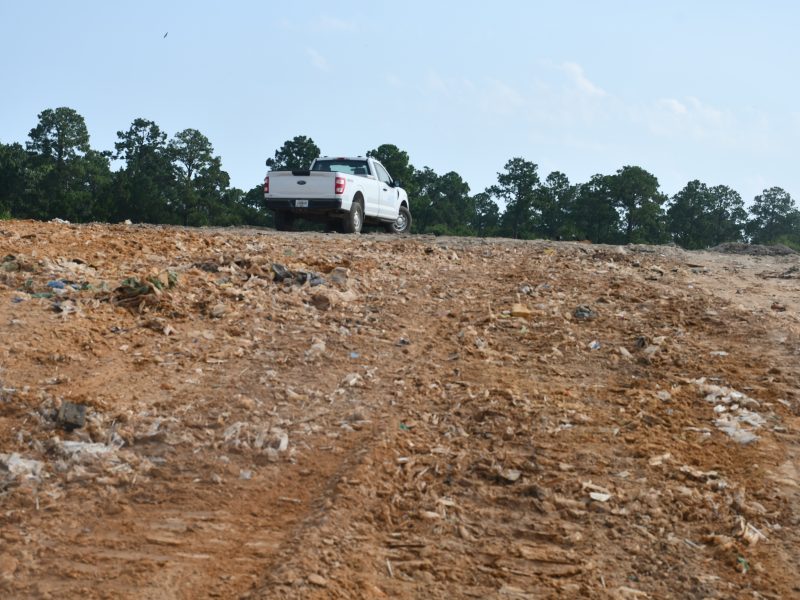
Bigger budget will mean improvements at Dougherty County’s landfill
“It’s certainly an opportunity where we can grow and make this very beneficial for years to the community. It’s a service that we provide for the community and I want to prolong that resource for the community. It’s not just fill it up and close it.”
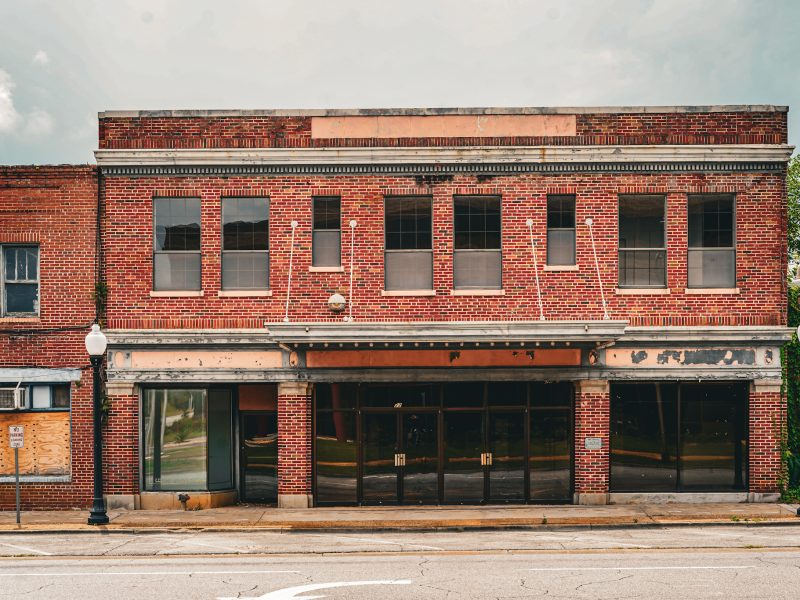
Putting on the Ritz: The rise, fall and renewal of Albany’s Harlem District
On July 7, the Albany City Commission unanimously approved final construction drawings for a comprehensive restoration of the Ritz Theatre and Cultural Center, clearing the way for the project to move into competitive bidding after years of planning and preservation efforts. The decision marks the latest chapter in a decades-long effort to preserve one of Southwest Georgia’s most significant African American landmarks.
