
Panfish activity still going strong
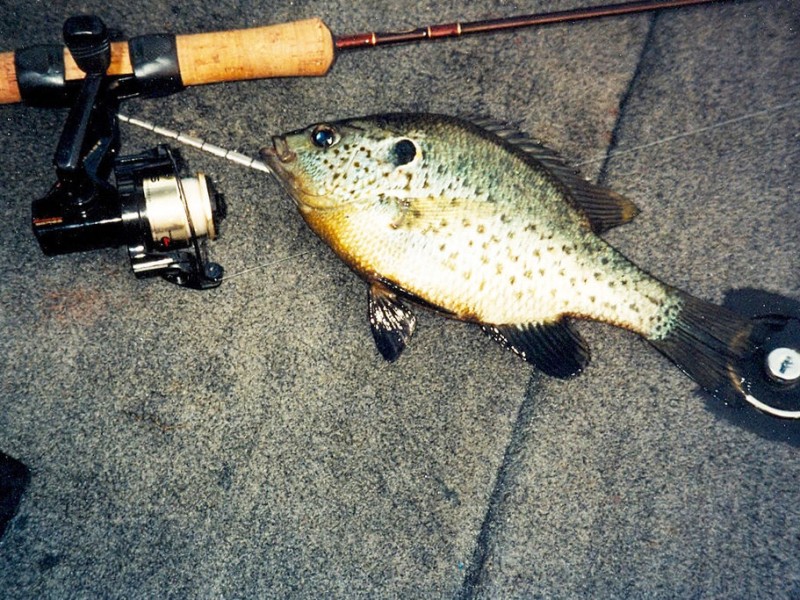
Late summer may be best time for bream fishing
By Bob Kornegay
A lot of area sportsmen are busy thinking of the approaching hunting season during these days of late summer and impending early fall. When we do choose to ponder our fishing opportunities, fall-run bass and crappies are the two fish species most often considered.
Bream fishing is seldom on most outdoorsmen’s minds as August moves into September and October. That’s unfortunate. For the panfisherman, this neglect can be a major mistake.
The ubiquitous bream species, often considered springtime and early summer fishes to be sought primarily when area waters first begin to warm up, can often become equally active as the Southern summer creeps toward autumn.
The reason for this increased autumnal feeding activity among Deep South bluegills, shellcrackers, and redbreasts is not certain. Some experts believe it is a pre-winter feeding spree brought about by an instinctive urge to “fuel up” before colder weather permanently sets in. Others say dropping water temperatures just naturally make the fish more active after several months of the hot summer “doldrums.” Whatever the actual reason, fishermen need know little more than the fact that bream fishing can be quite good, sometimes outstanding, this time of year.
“When September comes, the bream fishing can really start heating up,” said Dave Brighton, a Southeast Alabama angler who largely shuns largemouth bass and other “glamour” species in favor of big warm-water panfish. “Shellcrackers, in particular, often become very active and bite very well this time of year.”
According to Brighton, the only real difference between late-summer/early fall bream fishing and the fishing in the spring of the year is not a matter of tactics and gear, but simply the way we opt to target the fish.
“In summer and fall, you’ll still find bream in sizable groups,” he said, “but you’ll seldom encounter the huge beds and feeding schools of bream that you see earlier in the season. Basically, you’ll be constantly dealing with fewer individual fish in one spot. You may mind up having to move a little more from place to place.”
This, of course, is not to say that bream do not bed (spawn) during late summer periods. On all major rivers, reservoirs, and small ponds anglers may still from time to time encounter bedding fish in their traditional spawning haunts. The difference now is, active bedding behavior has gone from major to minor and most of the fish are now congregating to feed rather than reproduce.
Another minor but important difference in bream fishing during the late-summer/early-fall activity period is the overall average depth at which most bream will be located.
“They generally will be found deeper this time of year,” Brighton explained.
This change in the fishes’ preferred depth often makes the bream fisherman totally miss the fish he is seeking. Brighton believes many anglers give up on late-season panfish merely because they are not looking where the fish are most of the time and, thus, are unsuccessful.
“If you don’t locate fish right next to the bank like you do earlier in the year, just move out to where you normally find them when they are not shallow in the spring,” he said. “If you don’t find them there, move out even further and look for deeper structure somewhere near your favorite general area. I don’t think bream, as a rule, migrate that far from their usual spots. Besides, I find that deeper-holding summer and fall fish often run individually larger than those still in the shallows.”
During this late-year bream season, do not drastically alter your fishing methods and techniques. Change your ways only as much as the change of depth indicates you should. If the fish remain shallow, just continue to fish for them exactly as you would in the spring. You’ll find their basic feeding habits have not changed that much.
If you chance to find fish in deeper-than-normal water, first try dropping your bait directly down to the approximate depth at which you feel the fish are holding. If that proves unsuccessful and you are still convinced a concentration of bream is in the area, try playing the proverbial “waiting game.” Simply back off from the chosen spot, rig up a slip-sinker-and-BB “fish-finder” rig, and still-fish directly on the bottom, away from the boat. This can be especially effective on late-season shellcrackers, particularly in hard sandy-bottom areas.
If the fish are found in places you would normally find them earlier in the year,” Brighton said, “fish for them just like you normally would. Bream-poling with crickets always works just fine if they are really shallow. Or, bobber fishing on light spinning tackle at depths of four or five feet is usually good. Never change your tactics or baits unless the fish are doing something drastically different from what you’re accustomed to seeing. For example, changing up by switching from crickets to worms to catch bluegills once in awhile might be good, particularly if they’re feeding on or near the bottom.”
All this said, there is absolutely no need to put away your bream fishing gear just because you feel a slight change in the season. The country’s widespread bream population, especially this far down south, will continue to be active through fall and well into early winter in many locations. Though ones thoughts may naturally lean to the more traditional fall outdoor pursuits, the truly smart and adaptable sportsman will do well to keep his bream pole, cricket cage, and worm box ever at the ready.
Related Articles

Braves confident offensive struggles will pass
The good news is the Braves don’t have any more scheduled visits to Petco Park this year.

Lopez returns to Atlanta rotation as Braves try to shake up
Reynaldo López is heading back to the rotation. As for Robert Suarez, the Braves remain optimistic about his sore right forearm.

JP Sears shines in season debut as Padres finish sweep of Braves
Ty France homered and knocked in two runs Wednesday night while JP Sears pitched effectively in his first major league start of the year as the San Diego Padres completed a sweep of the Atlanta Braves with a 5-2 victory.
