
Charles Sherrod honored as ‘unsung hero’ of civil rights era
Local civil rights pioneer recognized at showing of John Lewis documentary
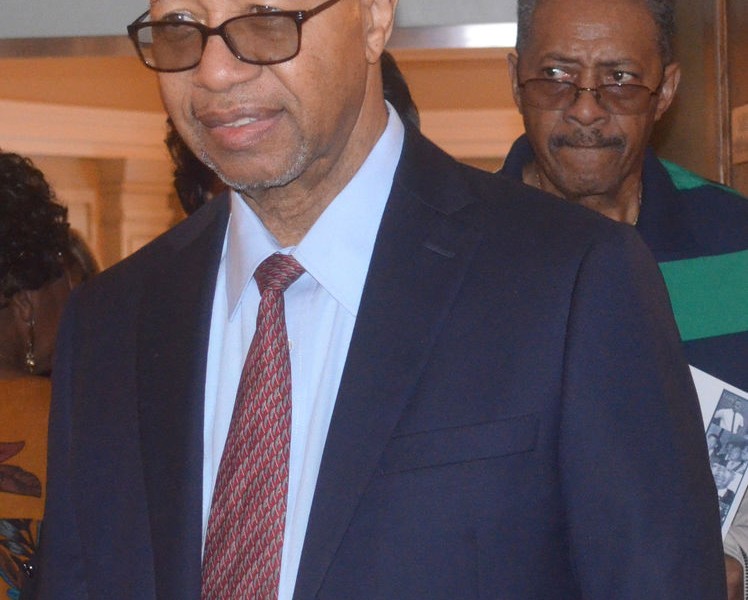
File Photo
By Carlton Fletcher
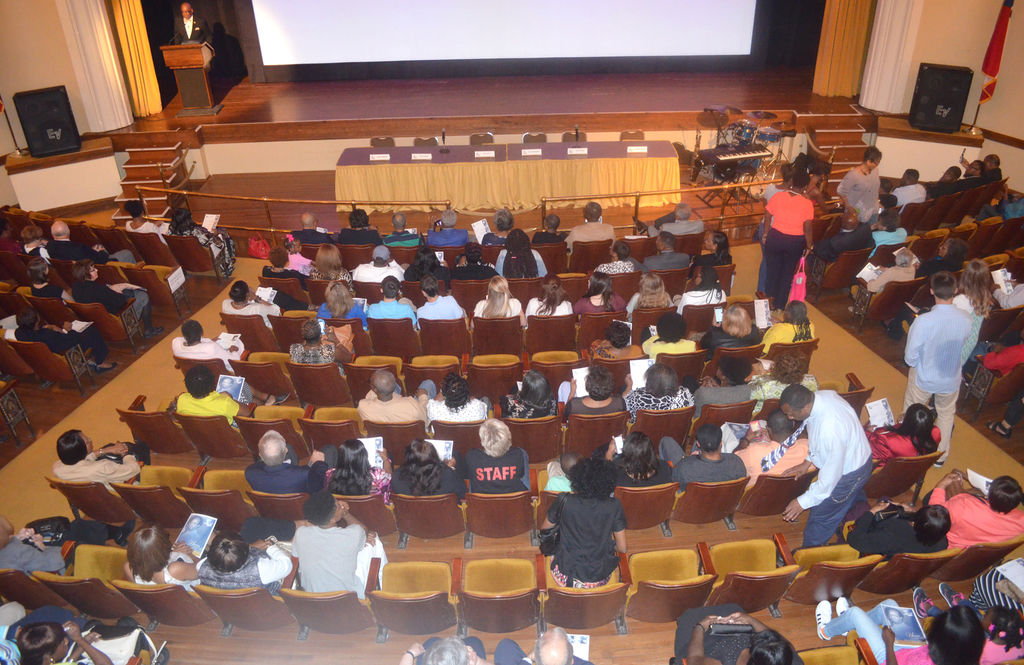
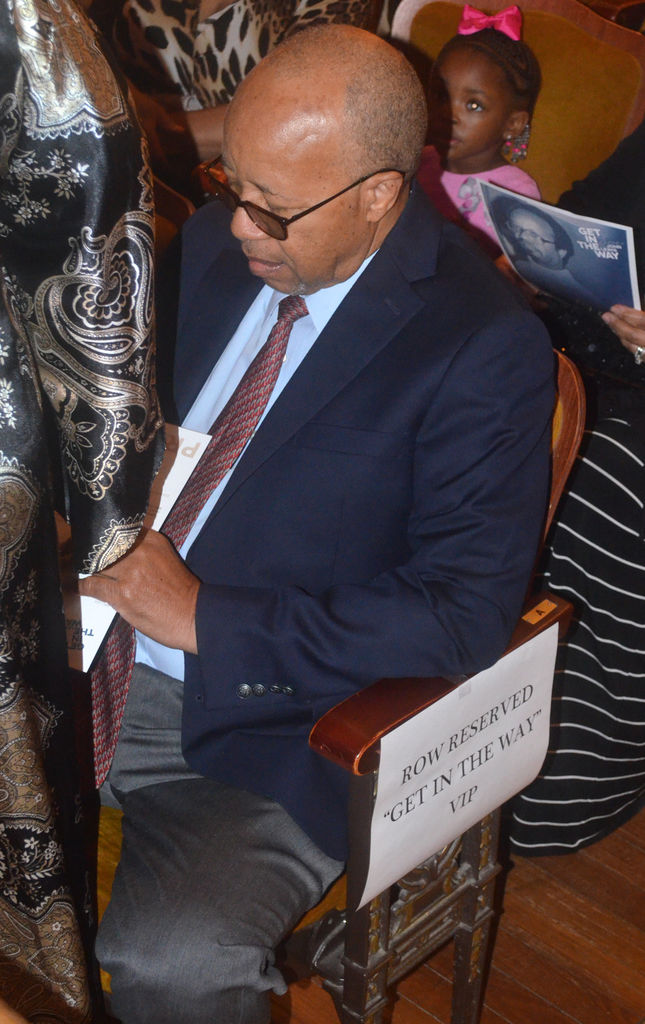
ALBANY — When the producers of the landmark documentary “Get in the Way: The Journey of John Lewis” approached officials with the Albany Civil Rights Institute about screening the film, it was a match made in historic heaven.
Not only did it give Southwest Georgians an opportunity to acknowledge the revered civil rights icon, it also allowed the city of Albany to direct long-overdue praise toward one of the city’s own heroes of that era.
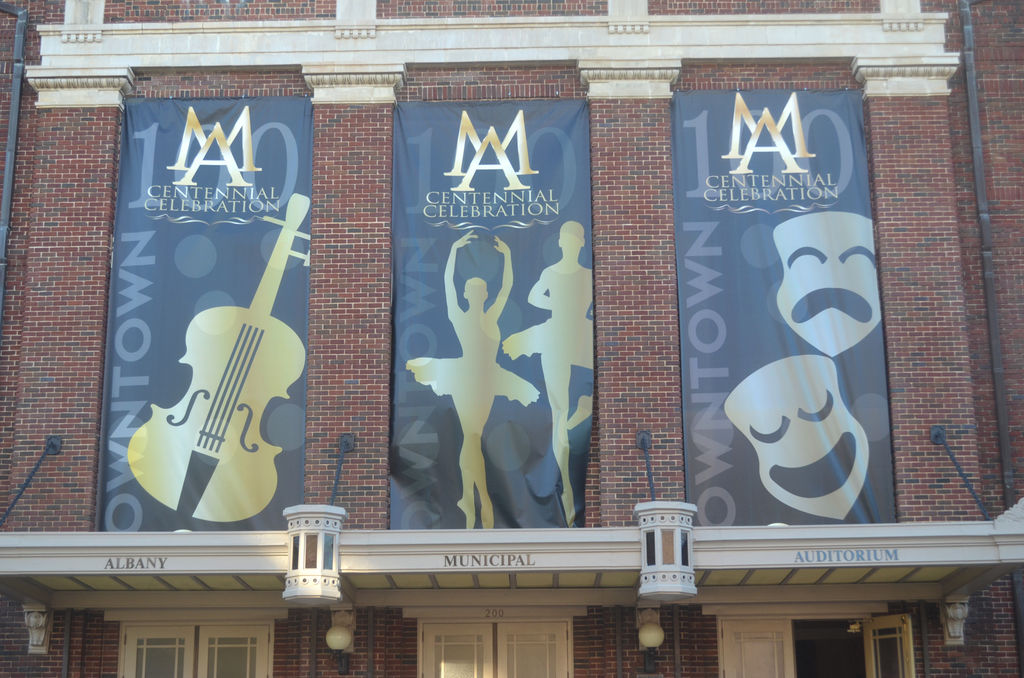
And while Lewis, a Democratic U.S. representative from Atlanta who had to bow out of a planned appearance at the screening Thursday at the Albany Municipal Auditorium because of a pressing engagement, wasn’t at the screening, his absence did not detract from the significant role played by Charles Sherrod, one of the national civil rights movement’s — and particularly the Albany Movement’s — true unsung heroes.
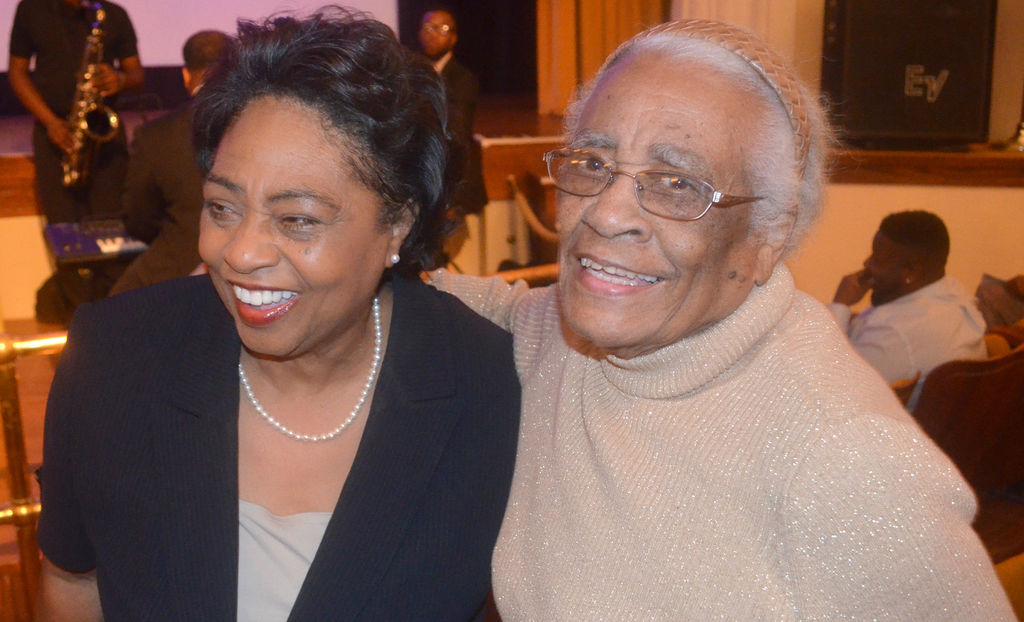
“This was special because my husband devoted his life to this area,” Charles Sherrod’s wife, Shirley Sherrod, said Friday. “Frankly, he has not really been acknowledged for the work he did; he has remained something of an unsung hero.
“This is a man who came to Albany in 1961, saw the need for change and dedicated his life to the region.”
Shirley Sherrod said she and her husband, who is currently battling health issues, had been among the dignitaries on hand for the recent opening of the African-American History Museum in Washington, but their experience was marred by an inaccuracy in the exhibit space dedicated to the Albany Movement.
“Charles was tired after all the events leading up to the opening, so we didn’t get to visit the section of the museum dedicated to the Albany Movement,” Shirley Sherrod, who served in the Obama administration’s Department of Agriculture, said. “But a student who wrote a paper on Charles’ efforts called us later and said the section about the Albany Movement proclaimed that efforts here had been a ‘failure.’
“I couldn’t believe that. What some historians don’t understand is that the Albany Movement started before Dr. (Martin Luther) King came here, and it continued after he left. You can’t look at the changes in Albany that have continued up to 2016 and say the movement here was a failure.”
Albany Civil Rights Institute Director Frank Wilson said bringing the Lewis documentary, which was directed by Kathleen Dowdey, to Albany was like “watching a child being born.”
“The company that produced the documentary reached out to the mayor, and she got in touch with me,” Wilson said. “I took the idea to our board (of directors), and they immediately got behind the project.
“This is an important piece of history, and it clearly shows that men like John Lewis and Charles Sherrod sometimes have to ‘get in the way,’ have to take action when others are simply accepting the status quo. We felt that it was important to show our community that we had a tent that was big enough for this production to fit under.”
Hubbard said she was pleased with the support for the documentary shown by the community.
“I was very pleased that there was a great cross-section of the community and quite a lot of young people at the historic screening of the documentary,” the Albany mayor said. “Everything really fell into place well, and people like Latoya Cutts and others in the city worked hard behind the scenes to make this such a wonderful event.”
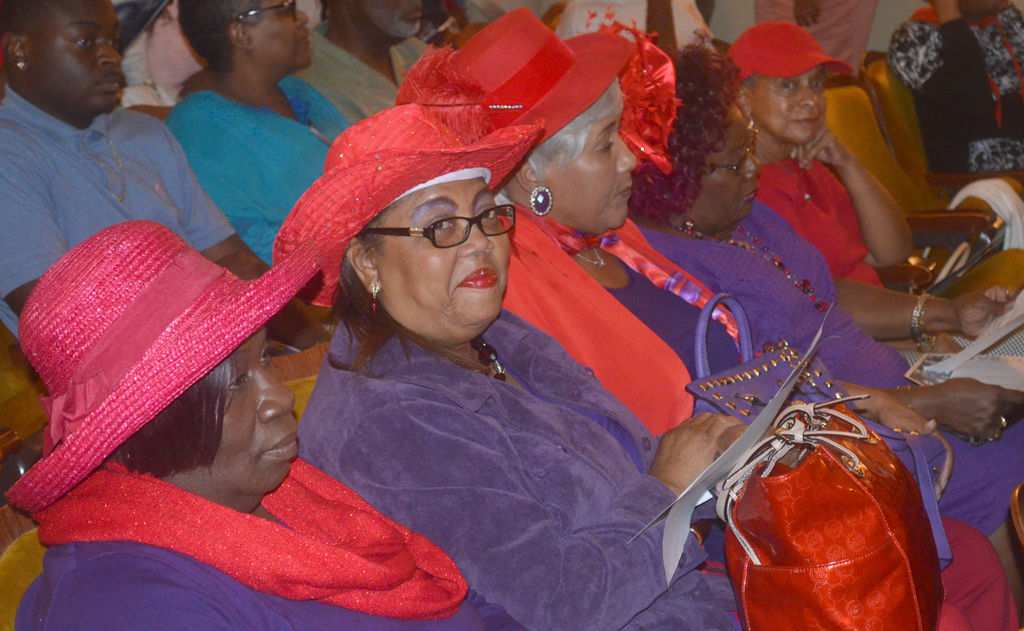
Following the showing of the documentary, Hubbard presented an “Unsung Hero in History” award to Sherrod.
“Mr. Sherrod was an icon of the civil right movement, a true unsung hero who has not received the recognition he deserves,” Hubbard said. “He’s one of the people who came down here, saw a need and he stayed on, dedicated his life’s work to this community. He even worked with others to teach them farming so that they could help feed their families.
“During the civil rights movement and in the aftermath of the movement, he was a vital part of Albany’s history, and I’m pleased we honored him.”
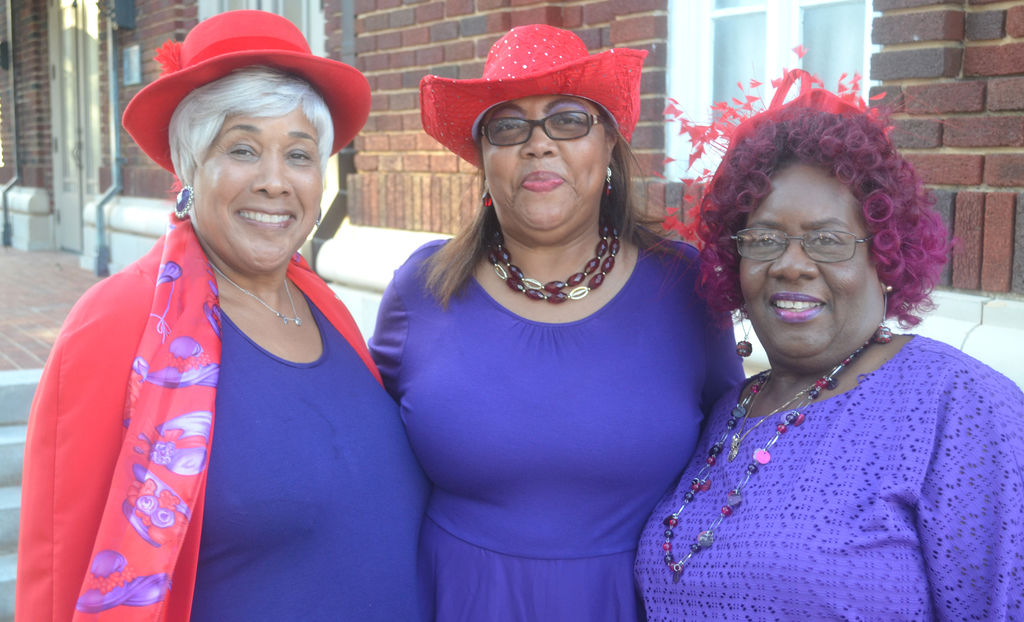
The evening’s activities also included a panel discussion with panelists Rutha Harris, Shirley Sherrod, Zoe Hopson, Bilal Houmadiwill, David Adams and Laurent Gaines.
Funding for the event was provided by MEAG Power.
Author
Related Articles
Albany/Dougherty County among local governments looking at data centers
“Our understanding is that data center developments look like an easy fix for the problems that face rural America, but this is a Faustian deal at best. You can see the effects in communities across the state and country.
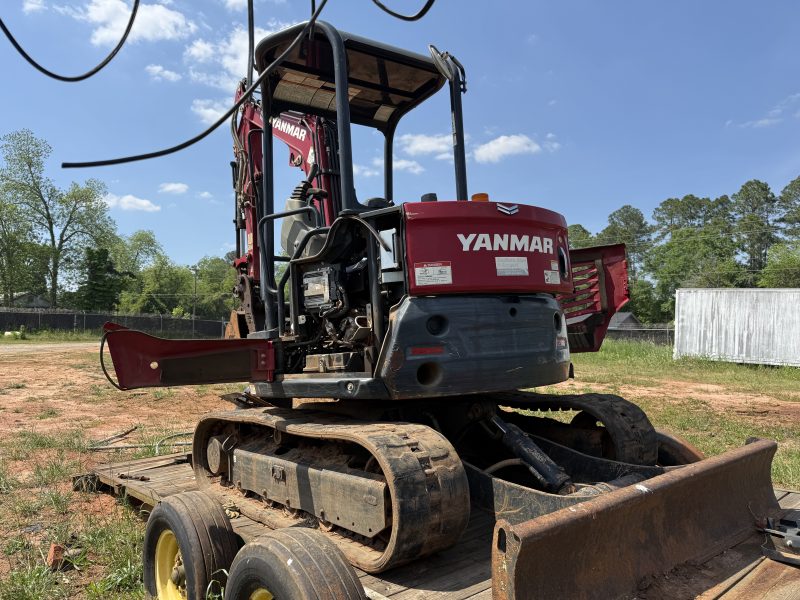
Dawson approves $68K excavator purchase after months of contradictory public statements
The decision concludes one portion of a controversy that has generated months of public scrutiny but leaves several unanswered questions regarding how the city’s original machine was damaged, whether employees were held accountable and what documentation supports the decision to replace rather than repair it.
Dawson proposes borrowing up to $420,000 to stay afloat as finances unravel
Documents obtained by The Dawson News show city officials are proposing to balance the budget through a transfer from the Public Utilities Fund while simultaneously seeking authority to borrow as much as $420,000 from a private financial institution to continue meeting payroll and other operating expenses as Dawson works to complete financial audits that have remained unfinished since 2023.
