
Commissioners Hayes and Howard head anti-violence summit
Albany, Dougherty leaders meet with local law enforcement heads
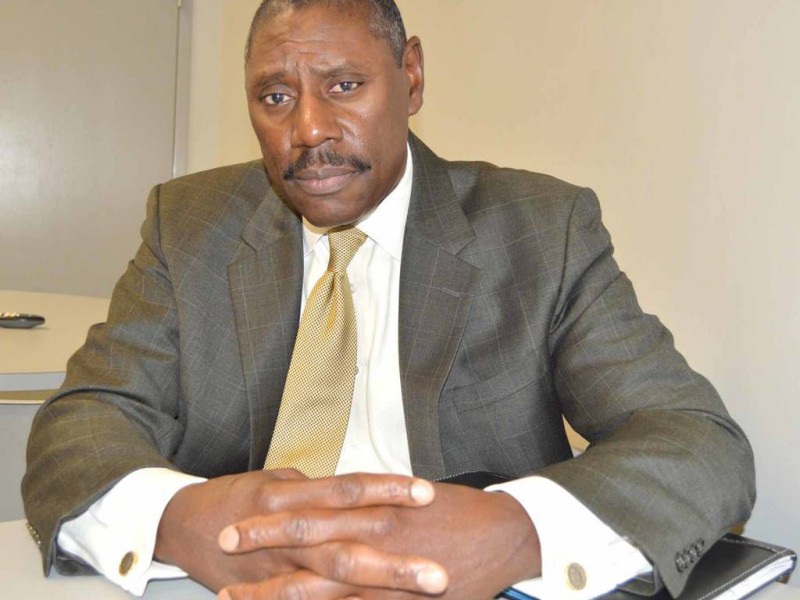
By Carlton Fletcher
ALBANY — The latest Albany homicide, the shooting of John Lewis Jr. on March 4, hit a little too close to home for Dougherty County Commissioner John Hayes.
While bullets were flying in the shootout outside Macy’s Place restaurant, which Hayes owns, Hayes’ wife, Sabrina, was among those inside the restaurant seeking cover.
“I’m a fan of the old Westerns, but that’s TV and the movies,” Hayes said. “That’s not where we should be. There’s something wrong when we’ve got young men running our streets, trying to find somebody to shoot and kill like animals.
“I think about my wife being where she was and the other innocent bystanders who could easily have been hit by bullets, and I went to God and asked him for guidance.”
The solution Hayes settled on turned into a summit of the highest level of law enforcement agencies in the community. With good friend and City Commissioner Jon Howard, himself an avowed anti-violence advocate, lending his support, Hayes called on the heads of local law enforcement agencies to meet and discuss local crime.
And even though his and Howard’s positions as county and city commissioners certainly gave them leverage when it came to calling for such a summit, Hayes admitted he was “floored” by the response.
“Everyone came,” Hayes said. “Chief (Michael) Persley of the Albany Police Department was there, Sheriff (Kevin) Sproul, Chief (John) Fields at Albany State, Chief (Troy) Conley with the School System Police, Kim Baker with the GBI office over in Sylvester, Victoria Johnson in the district attorney’s office, Leisa Johnson, the chief public defender.
“We met out at the facilities at Robert Cross Park, away from everyone and away from the media, and we just had an open dialog about crime. There were some great discussions, and the entire meeting was held in a prayerful manner. Sheriff Sproul opened the meeting with prayer, and I closed it with prayer. We shared with each other and generally started working toward the belief that this is our community and we want to do everything we can do to answer our charge to create a safer environment.”
Howard, who bluntly told Persley and City Manager Sharon Subadan at the City Commission’s most recent meeting that he expects more assets to be utilized in the fight against crime, said the time for downplaying the importance of black-on-black crime in a community that is overwhelmingly African-American has passed.
“As we’ve seen too often in our community lately, a killing is a killing,” Howard said Tuesday. “And the time has come for us to face reality. There is simply too much black-on-black crime that is not being addressed by the black community. What I would like to see come from these meetings with our law enforcement officials is a determination to tell the public here that if you commit a crime in Albany and Dougherty County, you will be prosecuted.”
Hayes too said the black-on-black crime issue is a serious one in the community.
“I’ve seen the outrage in the black community when there is an incident where a white person might have committed a crime against a black person,” the District 2 commissioner said. “But I don’t see the same level of outrage when it is black-on-black crime. I don’t understand that. A crime is a crime and, absent such details as skin color, the result is that two lives are ruined: the victim’s and the person who commits the crime.”
Sproul, who is widely praised for his crime prevention and rehabilitation programs in the community and at the Dougherty County Jail, said that while he’s taking a wait-and-see approach as to the impact of the recent summit and planned future meetings of the same group, having more “villagers” involved in addressing the root causes of crime can’t hurt.
“That old African saying about how it takes a village to raise a child is very true,” Sproul said. “This (summit) brings more villagers into the mix. And I can speak from experience: It’s very difficult to bring about change without communitywide involvement.
“One of the issues we discussed (at the summit) was finding the root causes for crime in the region. And the simple answer to that is that everything starts in the home. My dad instilled in me at a young age the concepts of empowerment and ownership, of owning who you are. Sadly, that’s not being taught to the generation coming along now. You can ask the government to mandate everything in a kid’s life, but none of that is going to make people better parents.”
Persley, too, said that while the anti-crime focus may start with law enforcement, it has to spread outward into the community to be effective.
“For one thing, we need for more community partners to come to the table,” the APD chief said. “The law enforcement agencies are working together, sharing information, every day. The root problem here goes beyond the scope of law enforcement. That’s why we need community groups — civic organizations, nonprofits, faith-based agencies — to get involved.
“Our problems in this region go deeper than just the crime issue. You have to start with the number of broken homes in the area, the economics. But having people like commissioners Hayes and Howard, who are enthusiastic in their concern for their community, involved is a good starting point. The hope is that these meetings can be a catalyst to get more people involved who can help address those root concerns.”
Chief Public Defender Johnson said the issues that are central to the crime issue in Southwest Georgia are issues her office faces every day.
“My approach is always, ‘How did we get to this point?’” Johnson said. “Rather than just pointing out that we have problems, I like to focus on how we got there. I think (the summit) could be a good starting point for people to understand our issues from a historical perspective. When you get a good cross spectrum of people from different walks, it’s easier to ‘walk a mile in another man’s shoes.’”
Hayes said his goal for the group is to find a way to create a “multipronged” attack on crime. That, he said, will require input from legislative, judicial and social levels, as well as law enforcement.
“One of the things I hope to do at our next meeting is bring in former gang members to talk about that lifestyle,” Hayes said. “We need a better understanding if we’re going to address our problems. And we need to take a hard look at the way kids are being influenced by movies, TV, videogames and social media.
“But, most of all, we have to get our parents involved. You look at all this going on around you and you ask, ‘Where are the parents?’”
Hayes said the group will continue to seek divine guidance as it works toward a solution to the crime issue.
“I shared with the group the story of Nehemiah,” he said. “The Bible says the city of Jerusalem was in ruin, and Nehemiah prayed to God for guidance. This is our city, and it’s in trouble. I think it’s time we asked God for his guidance in turning our city around. As we’ve seen, we’re not wise enough to do it on our own.”
Author

Related Articles
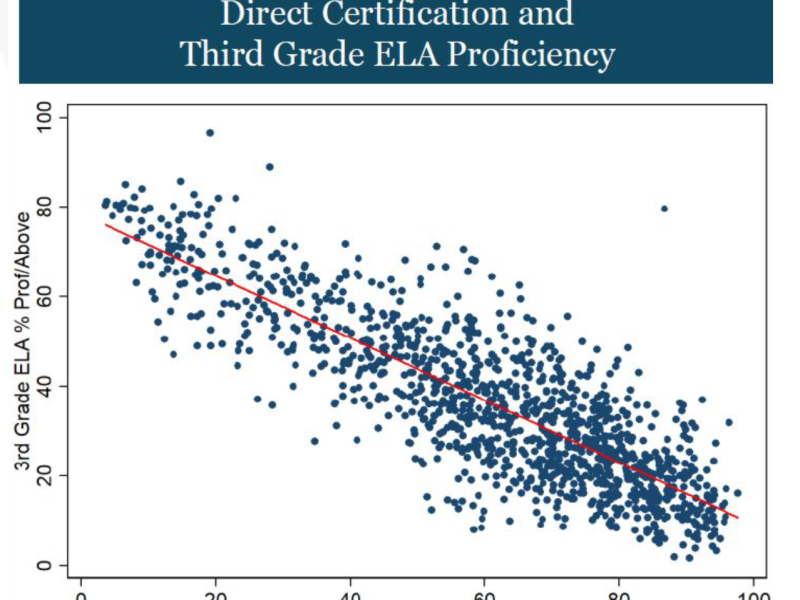
Georgia’s school funding formula still ignores poverty; educators say students pay the price
During a report to the board on the outcomes of this year’s legislative session, Dyer discussed the district’s efforts to persuade lawmakers to add an “opportunity weight” to Georgia’s Quality Basic Education (QBE) funding formula — a change supporters say would provide additional state funding for students living in poverty.
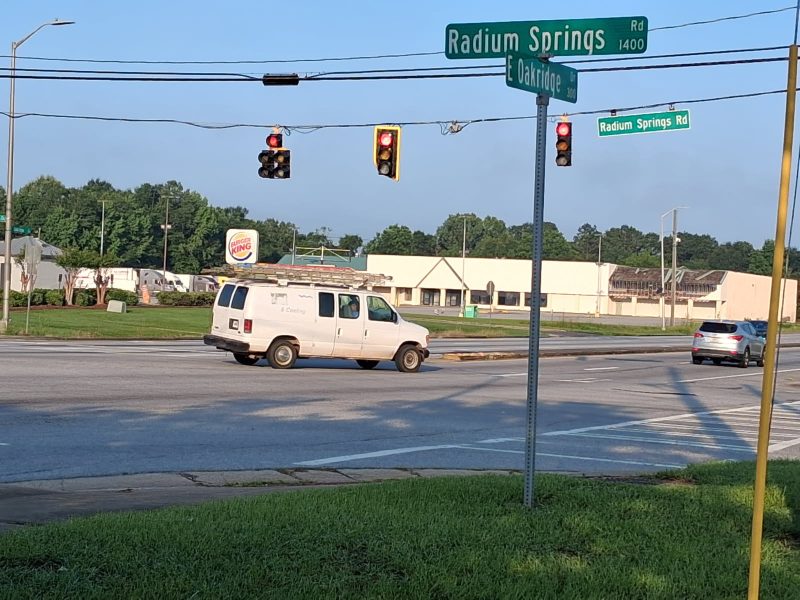
Red light violations will bring citations at a dozen Albany intersections
“That was always the goal of the school zone cameras, to change the behavior. It’s the same with the red lights, we want to change the behavior. When you see a yellow light, you need to slow down and prepare to stop.”
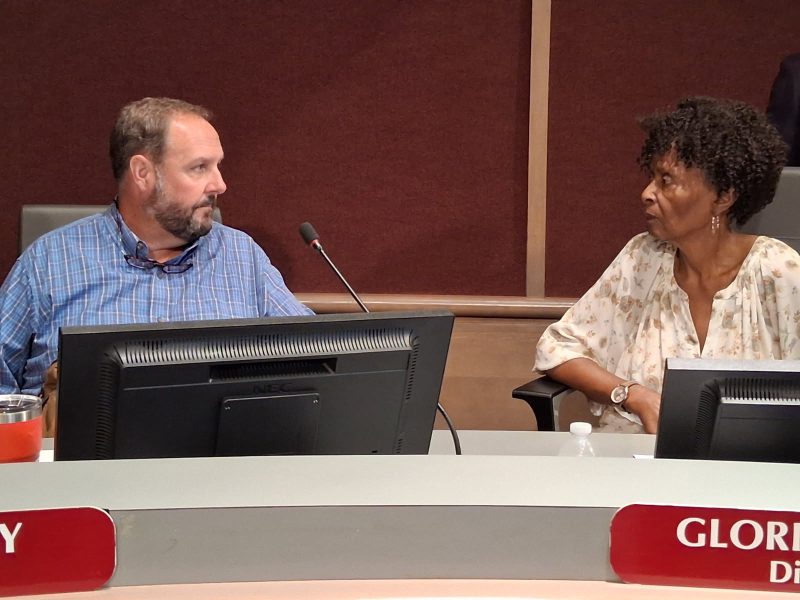
Dougherty Commission considers $104 million budget for 2026-2027 budget year
“The other side of the coin is you could have higher revenues than projected. We’re very conservative in budgeting revenues. That also reduces the need to use fund balance”
