
Dougherty Commission approves lobbyist contract
Cornerstone Government Affairs will seek disaster recovery funds for county
By Carlton Fletcher
ALBANY — After a prolonged discussion over the details of a proposed disaster recovery agreement with the Washington-based Cornerstone Government Affairs lobbying firm, the Dougherty County Commission voted 6-0 Thursday to approve the $81,000 agreement.
County staff brought the proposal to the commission at its Monday-morning business meeting, but because several commissioners said they had not had enough time to fully study the proposal, they asked to hold off the vote to look further into the matter. Commission Chairman Chris Cohilas called for the special meeting Thursday because he said “time in this matter is of the essence.”
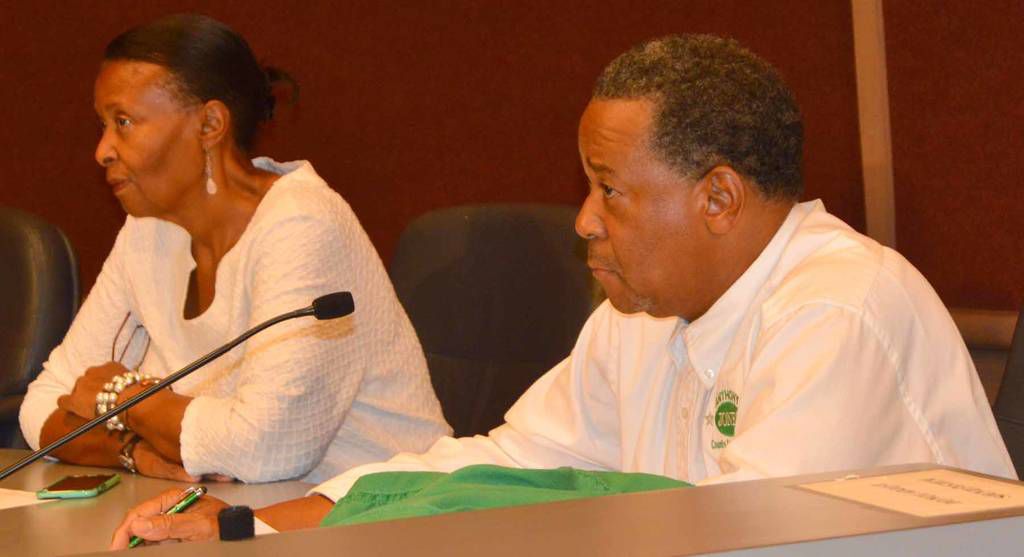
District 5 Commissioner Gloria Gaines asked a number of questions Thursday after a motion was made and seconded to accept the agreement with Cornerstone that would have the firm advocate on the county’s behalf for available federal disaster funding through the federal Department of Housing and Urban Development. The funding would be used in ongoing recovery efforts in the wake of Jan. 2 and Jan. 22 storms that caused tens of millions of dollars worth of damage in the county and left five people dead.
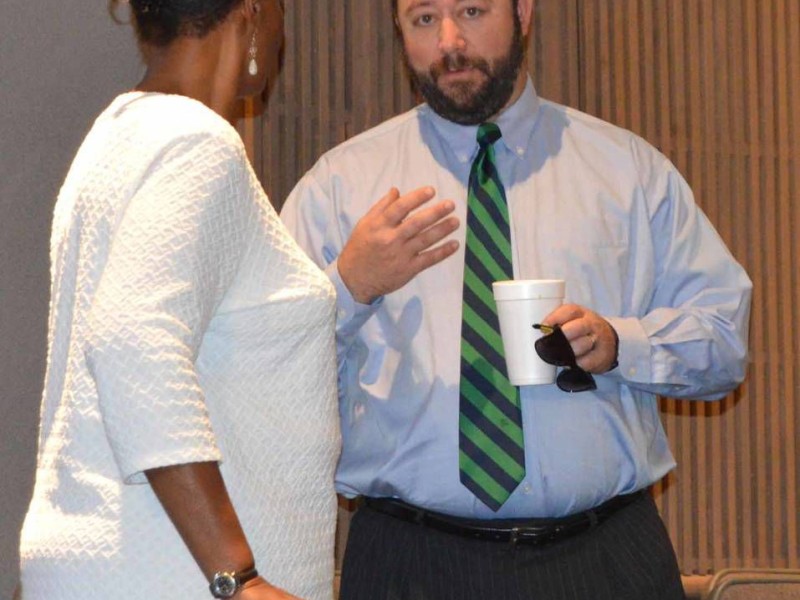
District 6 Commissioner Anthony Jones outlined the results of his research into the matter and asked questions of his own before the board eventually voted unanimously to enter into the agreement with Cornerstone.
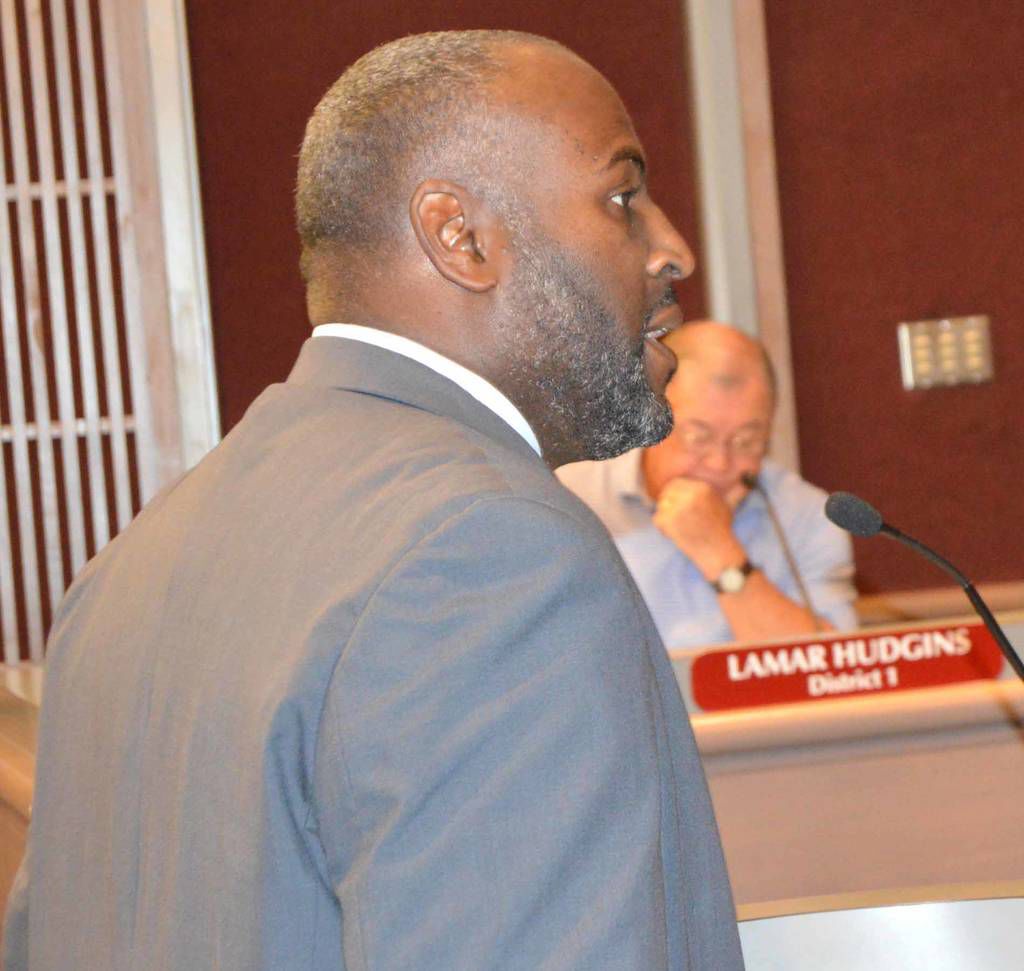
“This is our opportunity to change our community substantially and meaningfully at a time when it is most vulnerable,” Cohilas said after the meeting. “Cornerstone is a firm of consummate professionals whose principles include two partners with strong ties to our area and the No. 1 lobbyist in the nation when it comes to natural disaster recovery.
“This firm has the right people with the right relationships and with the know-how to get this done. Time is of the essence, and now that we have this agreement in place, I expect them to get to work on our behalf immediately.”
Before Cohilas called for a vote, Gaines posed questions pertaining to the agreement’s payment schedule, Cornerstone’s clientele, the city of Albany’s role in the process and how Cornerstone’s duties might overlap with the the county’s other lobbying firm — Tetra Tech.
Assistant County Administrator Mike McCoy and Cohilas answered each of the questions in turn.
“My experience with professional service contracts is that it is customary to charge a retainer fee up front and to recover funding for incidentals on the back end,” Cohilas said, and McCoy added that the payment plan outlined in the agreement worked out to a flat, $13,500 monthly payment.
McCoy also told Gaines that Cornerstone had worked with the cities of Moultrie, Atlanta, Baton Rouge and Springfield, Mo., while Cohilas explained the city of Albany’s part in dealings with the firm.
“Both Mayor (Dorothy) Hubbard and I are advocating for this because it involves the entire county, and the city is part of the county,” the chairman said. “To develop a case (for the funding), we’re trying to fulfill our duty to this entire community. But the way the system works is that any (HUD) funding that might be allocated for us would be sent to the state, and the state will make the allocations (through Community Development Block Grants typically) in the communities where they are most needed.
“I do know that the Jan. 22 event has been categorized among the Top 1 percent of FEMA disasters in the nation.”
Jones said his research supported Cohilas’ contention that Cornerstone is a “solid firm” with ties to the region and a track record of “working both sides of the aisle.” But he added that expecting positive results over the six months of the proposed contract was “unreasonable” and suggested that the commission “negotiate a lower rate over a longer period of time.”
Jones also suggested that Cornerstone work on a contingency basis, earning a percentage of all funds collected on the county’s behalf. And he asked if a representative of the company might meet with the commission prior to a vote being taken.
Cohilas said that, because of the ties Cornerstone principles Jerry Usry, an Albany native, and Louie Perry of Moultrie have with the city and county and because of Cornerstone’s past work with the city, county and Albany Area Chamber of Commerce, the company had actually offered a “discounted rate” for its proposed work with the county.
The commission chairman also said that, while he was not certain if paying a lobbyist a contingency fee is even legal, he’d never seen it done before. After noting that Cornerstone’s Paul Rainwater, who has been courted by the White House to serve as the director of FEMA, is generally recognized as the nation’s top natural disaster lobbyist, he said, “The chances of finding any other firm with those kinds of positives in our favor is about a billion to one.
“I also don’t think Cornerstone would want to, essentially, come before us and do a job interview in public,” Cohilas added.
Eventually, the board voted 6-0 (District 4’s Ewell Lyle was absent) to approve the measure.
“When I flew to D.C. before the second disaster, the folks at Cornerstone made arrangements — gratis — for me to get in and talk with our congressional delegation,” Cohilas said. “These folks are highly effective and well-respected. They have the connections and they have the reputation. Now, it’s time to let them get to work for us.”
Author
Related Articles
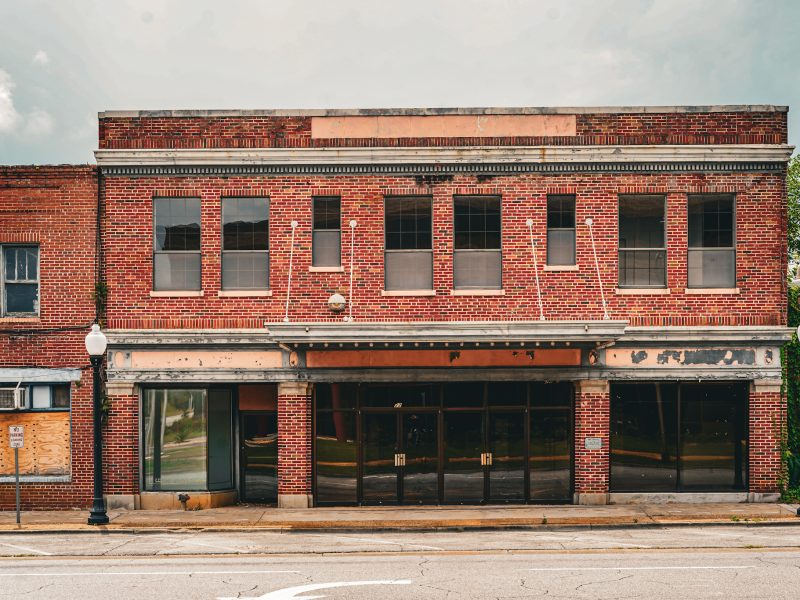
Putting on the Ritz: The rise, fall and renewal of Albany’s Harlem District
On July 7, the Albany City Commission unanimously approved final construction drawings for a comprehensive restoration of the Ritz Theatre and Cultural Center, clearing the way for the project to move into competitive bidding after years of planning and preservation efforts. The decision marks the latest chapter in a decades-long effort to preserve one of Southwest Georgia’s most significant African American landmarks.

Albany City Commission set to vote on skate park funding
“There have been other sites discussed. Based on information (from) the community, we decided on the current site. That’s the only site we’re looking at right now.”
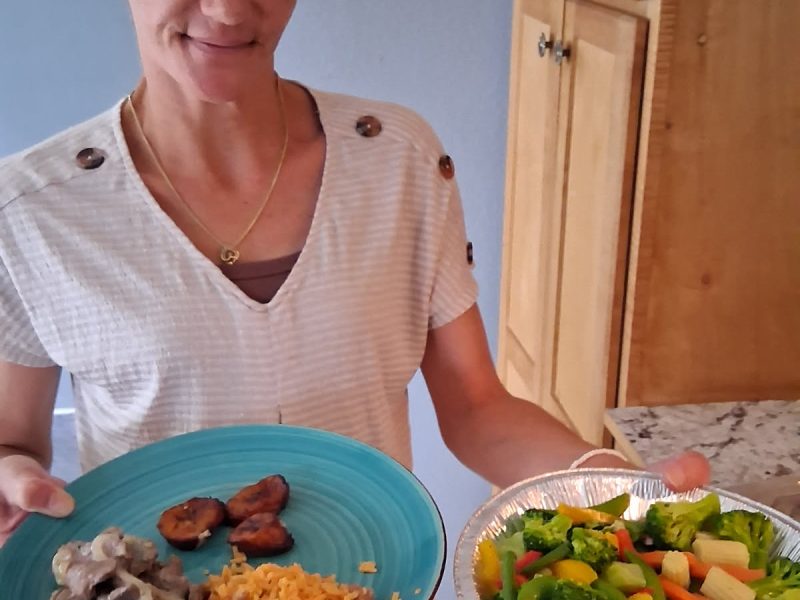
Food, mini menagerie provide inspiration for Mitchell County’s Lydia Griffin
“I would like to open, like, a Caribbean/tropical buffet where everybody can eat anything and everything. If I can’t do that, I would start small with a coffee shop (and) deli and keep going.”
