
Health care official: HIV has no socioeconomic boundaries
Dougherty Kiwanis Club gets lowdown on HIV/AIDS from AAPHC official
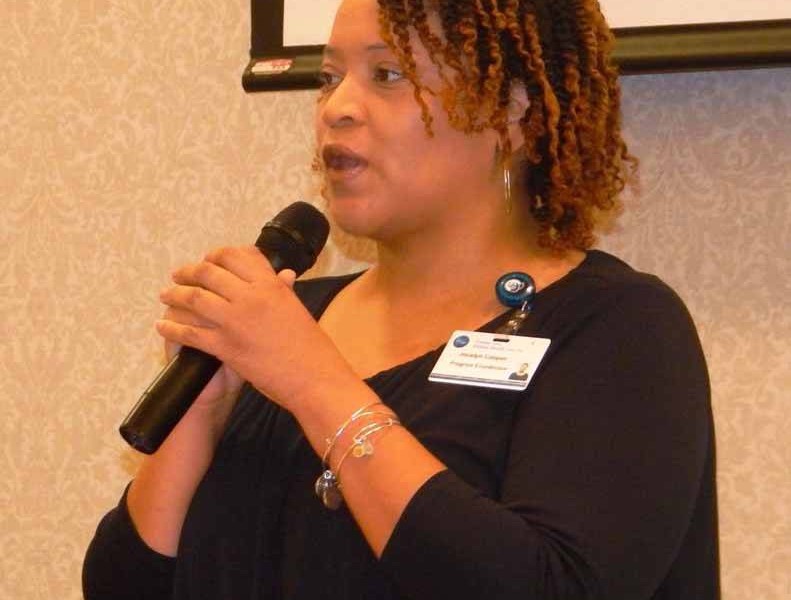
By David Shivers
ALBANY — HIV infection continues to be prevalent in the United States and Southwest Georgia, the Kiwanis Club of Dougherty County heard on April 3.
Jocelyn Cooper, coordinator of the Ryan White HIV/AIDS Program administered through Albany Area Primary Health Care, noted that nationally, one in every 91 persons is HIV-positive, while in Georgia the rate is one in every 51. The percentage can grow even higher, depending on what demographic group a person falls in, especially for Latinos and blacks.
Drawing attention to the situation is the focus of the “Run for Hope 2017,” set for April 29 at downtown Albany’s Riverfront Park. The goal of the 5K run and 1-mile fun walk is to focus on HIV/AIDS awareness. Opening ceremonies for the run, an official event of AAPHC, will begin at 8 a.m. and the race will start at 9:20 a.m.
In spite of extensive educational efforts and advances in medical science and treatment, a stigma attached remains for those who are infected with HIV, according to Cooper. She said some of AAPHC’s clients drive for hours or hundreds of miles to the group’s clinic here because they don’t want to be seen at a clinic in their home communities.
She emphasized that HIV cannot be spread by casual contact such as hugging or a handshake. It is spread by mixing bodily fluids, such as during sexual contact or by intravenous drug use when needles are reused for dosing.
There is also no socioeconomic barrier to HIV. It can occur at all economic levels.
A special test has to be conducted to determine the presence of HIV infection; it is not part of a routine blood test. Once a test has detected HIV, a doctor can refer the patient to the Ryan White program, which offers a variety of services, including HIV early intervention/direct medical services; primary care services; behavioral health; case management; transportation; a food pantry; onsite Walgreen’s specialty pharmacy not available at standard Walgreens locations; and free and confidential HIV testing offered daily from 9 a.m. to 4 p.m.
Cooper urged testing, even if a person is married. She cited the case of a patient, a young female whose doctor thought she didn’t fit the normal stereotype of an HIV-positive person but who displayed symptoms. After finally being tested and found positive for HIV, the woman discovered that her husband had been unfaithful to her.
“It can happen to anyone,” said Cooper. Every individual has a story, so people should not make assumptions about a particular “look” to any condition, including HIV.
Discovery of HIV infection does not mean a patient has full-blown AIDS. The treatment goal is, through use of antiretroviral therapy, to move a patient from discovery of HIV infection to a stage where the virus is undetectable in the body. This does not mean the patient is cured, but he or she can live a normal, healthy life with continued treatment.
Related Articles
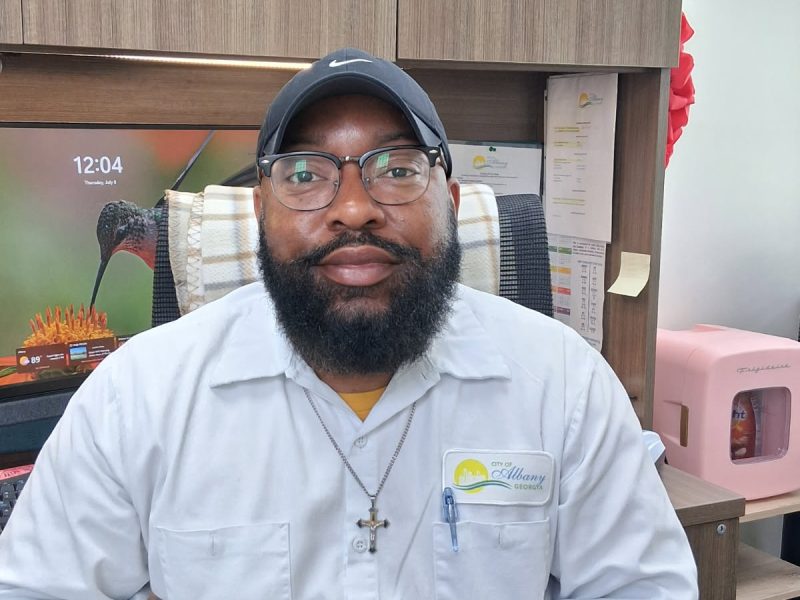
Small actions can help save big on utility bills
The high temperatures of July and August can bring scorching utility bills as air conditioners hum to keep houses cool. Albany Utilities Residential Conservation Auditor Willie Jackson offered some tips on making summer cooling bills more manageable.
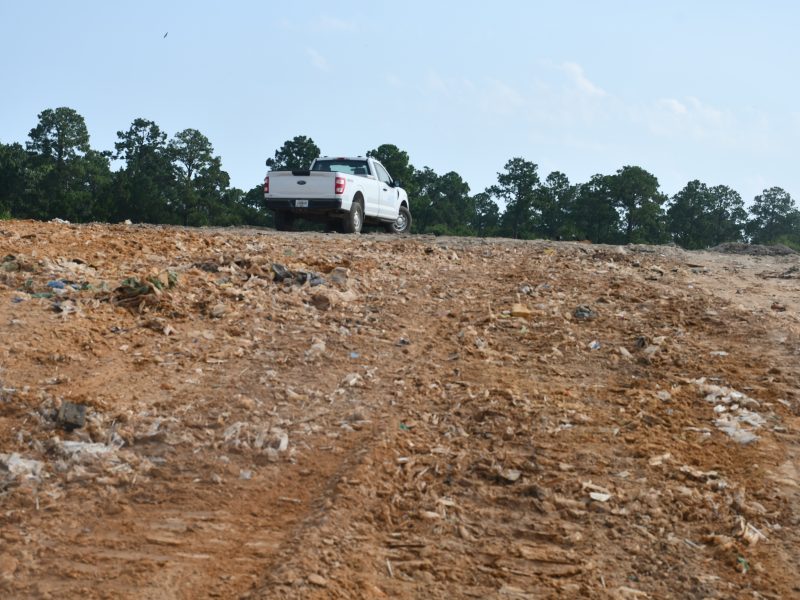
Bigger budget will mean improvements at Dougherty County’s landfill
“It’s certainly an opportunity where we can grow and make this very beneficial for years to the community. It’s a service that we provide for the community and I want to prolong that resource for the community. It’s not just fill it up and close it.”
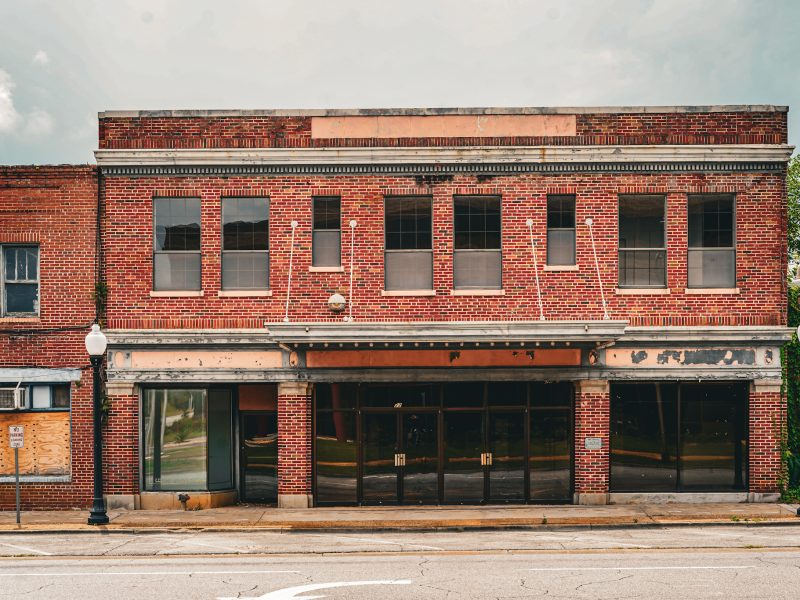
Putting on the Ritz: The rise, fall and renewal of Albany’s Harlem District
On July 7, the Albany City Commission unanimously approved final construction drawings for a comprehensive restoration of the Ritz Theatre and Cultural Center, clearing the way for the project to move into competitive bidding after years of planning and preservation efforts. The decision marks the latest chapter in a decades-long effort to preserve one of Southwest Georgia’s most significant African American landmarks.
