
Southern fly fishing: Different approach, easier results
Fly fishing on calm water doesn’t require pinpoint accuracy, unlike mountain fly fishing
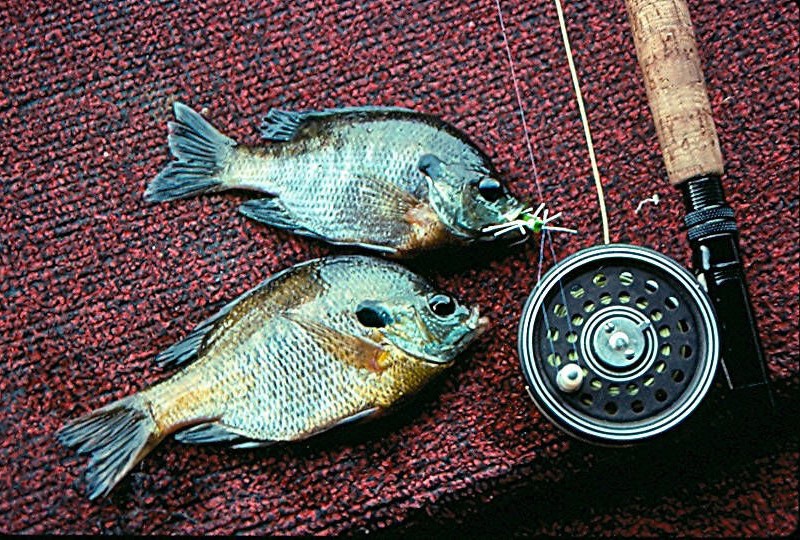
By Bob Kornegay
Fishing for mountain trout with a fly rod can be a mystical and often difficult experience.
In most cold-water/flowing-water angling situations, very accurate, if not pinpoint casting and lure placement is a necessity. It is often vital to be well schooled in the finer points of fly casting, arts that might take quite a while for some people to learn.
For trout, especially the big wary ones, the fly-caster normally needs a good bit of stealth, as well. The waters inhabited by most salmonid fish species are clear, the fish living there are painfully shy, and even the slightest strange shadow or movement can send them rapidly scurrying for seclusion, upstream or down.
No wonder, then, that trout fishing fly-rod purists who have mastered their art can be, at times, just a little bit “uppity.”
But, guess what? All of us Deep South warm-water anglers whose fishing holes are by nature slow-moving, dark and murky need not fret. We, too, can be fly fishermen, and we certainly don’t have to possess the considerable skills of the masters to thoroughly enjoy the sport.
“Here’s a little secret,” said avid North Florida fly caster Tim Norton. “Despite what some folks might tell you, you don’t have to be a magician to cast a fly rod, and there’s no mystic, ethereal rule saying a fly rod has to be used for trout alone. You don’t have to journey to the Appalachian Mountains or out west, either. There are, in fact, great fly fishing opportunities waiting right outside your back door.”
Trout purists with their expensive fly fishing gear and regulation fly fishing “uniforms” might be slightly appalled, but the “blue-collar” freshwater fish species inhabiting the ample waters of Southwest Georgia provide wonderful fly rod action. Now is a good time to consider picking up that seldom used, dust-gathering fly fishing equipment and go after them.
“Fly-casting for bass and bream adds a new dimension to your angling activities,” Norton said. “It is different and exciting. The tug of a hand-size bluegill or a two-pound largemouth at the end of a thin tippet on a limber rod is a battle you’ll most likely want to repeat as soon as the first one ends. Fly fishing, no matter what you’re fishing for, is the ultimate in ultralight angling.”
All one needs for a fly fishing outing on area waterways are a fly rod/fly reel combo and a small handful of bass and/or bream flies. The rod and reel need be nothing fancy, and the flies are relatively inexpensive and readily available. A “rusty” fly caster may need to practice casting in the back yard for an hour or so before setting out, but if one can land a fly in a general area from a distance of 30-50 feet, then that person is virtually home free.
When fly fishing, the angler is simply imitating wayward insects falling onto the water’s surface. Since bass and bream feed on top early in the morning and late in the afternoon, those times are generally best.
“When fly fishing for bream, fish the same areas you would work when live bait fishing with worms or crickets,” Norton said. “Work near shore in relatively shallow water. Visible structure is not an absolute necessity, but is often a plus. Overhanging bushes or tree branches, from which bugs fall naturally, often shelter good numbers of bluegills and redbreasts willing to hit a well-placed popping bug or other fly.”
For really hot fly rod bream action, time your trip with the summertime mayfly (willow fly) hatch. When these seasonal insects emerge, they cover the bankside vegetation and fall into the water by the hundreds, with bluegills and redbreasts attacking them in hordes. Even fly fishermen with minimal skill can catch large numbers of bream when the mayflies are active.
Lake Seminole boasts several large hatches every summer.
“Bass also feed heavily on mayflies, but you’re better off seeking them in areas where you would normally fish topwater baits with spinning or baitcasting gear,” Norton said. “Bass popping bugs or bass-size wet flies in the right spots can produce strikes that rival any you might get with traditional tackle. Of course, bass are usually more difficult to fool than bream, so a bit more fly-rod expertise might be necessary to catch them consistently.”
Serious warm-water fly fishermen would opt for two different rod-and-reel combinations for bass and bream. For more casual anglers, one rod is all that is necessary. A good length is 8-8½ feet.
“Most fly-rod bass fishermen prefer weight-forward number-six fly line with at least a six-pound test leader,” Norton said. “Bream fishermen usually go with a number-5 weight-forward line and a leader of four pounds or less. If you choose to fish one outfit for both species, stay with the number-6 fly line. Leaders can be changed out accordingly.”
Like any artificial bait, flies can be found in every imaginable color and style. Basic fly-rodders who wish little more than to catch a mess of fish should stick with the basics: medium-to-large poppers and wet flies for bass and small poppers and sponge spiders for bream.
If you have never tried fly fishing for bass or bream in our neck of the woods, think seriously about giving it a try this spring and summer. You’ll have some fun with it, even if you’re never asked to give casting demonstrations.
Related Articles
Westover girls earn split at Monroe playdate
The Westover Lady Patriots flexed their offensive firepower in one game and battled to the final possession in another Tuesday afternoon, splitting a pair of summer basketball contests at Monroe High School’s final home playdate of the summer.

NCAA set to eliminate redshirt seasons
The NCAA’s Division I cabinet, in a vote held Tuesday, unanimously approved changing its eligibility rules to a new model that gives all Div. I will give athletes five years of eligibility and eliminate all redshirts.

Tony’s Take: Michigan to Dallas | Path | P.S. | What? | Milestone | Edition 100
The latest from Tony Duckworth
