
Lee County receives $1.19 million to preserve wetlands
Neyami Savannah is home to one of Georgia’s rarest plants
By Cindi Cox
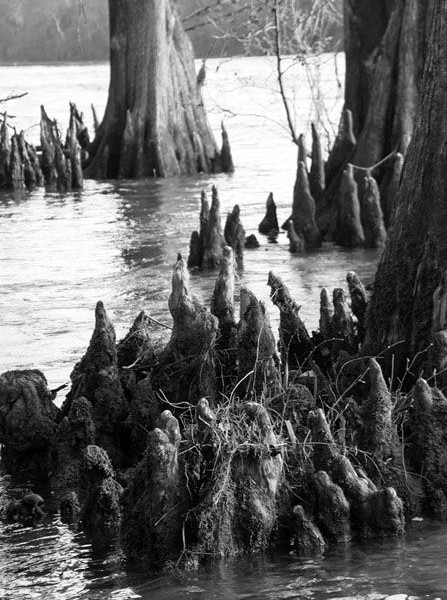
LEESBURG — The U.S. Department of Agriculture recently awarded $1.19 million to restore and permanently protect 850 acres of cypress wetlands in Lee County. This effort is due, in part, as a protective measure to preserve one of Georgia’s rarest plant species, the endangered Canby’s dropwart.
The funding, through the Natural Resource Conservation Service’s Wetland Reserve Enhancement Partnership, will be used for conservation easements and ecological and hydrological restoration. Partners include local landowners, Georgia’s Natural Resources and Transportation departments, the U.S. Fish and Wildlife Service and the Georgia Plant Conservation Alliance, a group committed to conserving the state’s endangered flora.
The focal site is Neyami Savanna. Named for the nearby Neyami community, Neyami Savanna is a large complex of boggy grasslands with open canopies of pine and cypress. The wetlands are home to one of the state’s largest populations of Canby’s dropwort.
Canby’s dropwort occurs in cypress savanna depression wetlands from Georgia to North Carolina, with one disjunct population remaining in Maryland. Eighteen of Georgia’s 21 sites are on private land.
Canby’s dropwort is a slender member of the carrot family that can top four feet tall. In late summer, this plant sprouts up in the grassy wetlands and blossoms with clusters of tiny white flowers. The loss of cypress savanna wetlands has decimated the species and undermined others. Recovering the plant to the point that it no longer is listed as a federally designated endangered species is a priority for the Georgia Department of Natural Resources and for Georgia’s Fish and Wildlife Service.
Neyami Savanna also provides foraging habitat for threatened wood storks. Within 3 miles downstream, five federally listed or at-risk mussel species need the freshwater supplied by this and other wetlands. Adjacent uplands are habitat for gopher tortoises, Georgia’s state reptile and a candidate for listing under the Endangered Species Act.
For all these reasons, preserving these wetlands has gained recent attention and support.
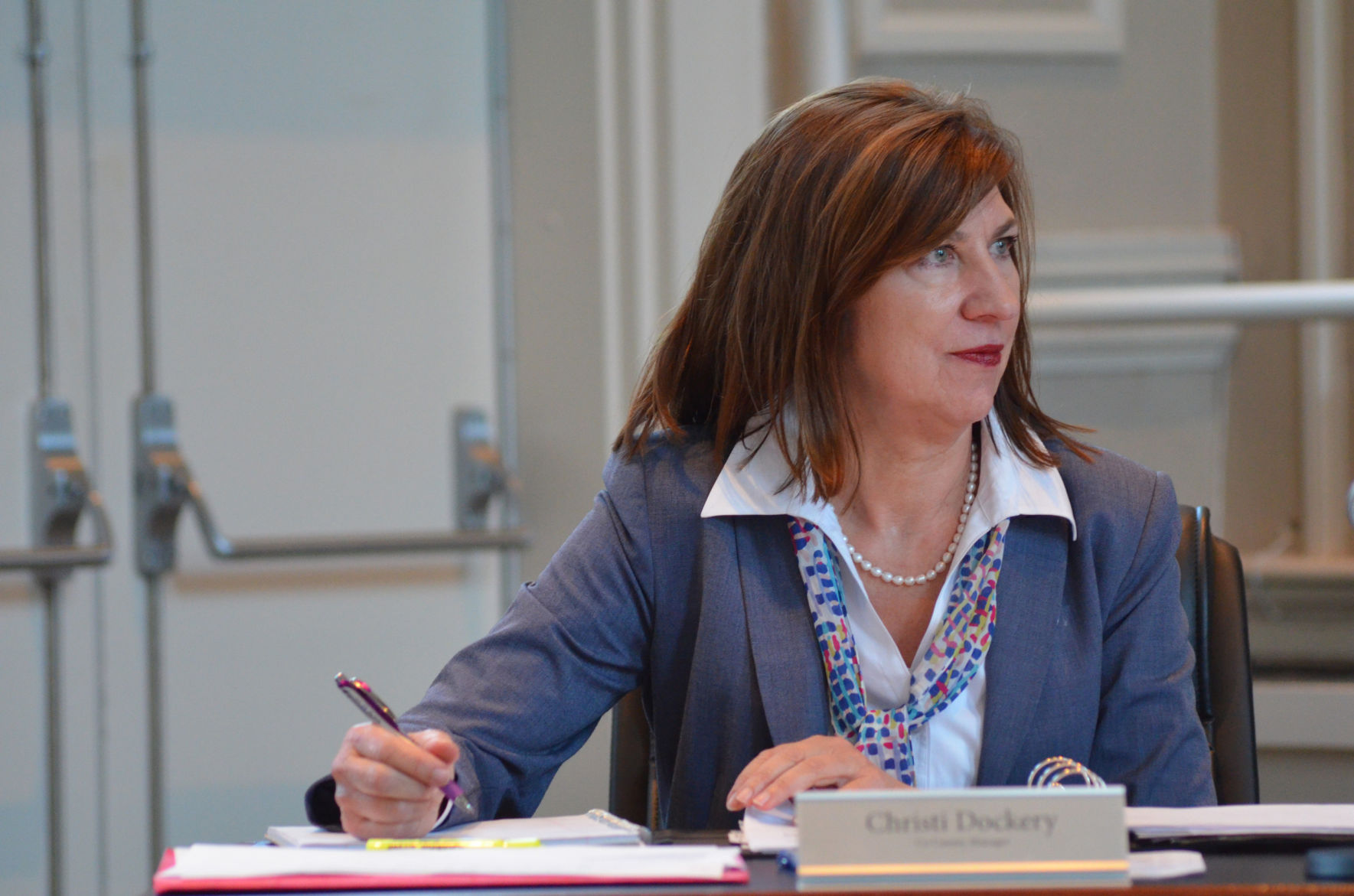
Christi Dockery, Lee County’s co-manager, said she was unaware of the funding that was recently awarded. Dockery said she does recall “environmentally sensitive” concerns along U.S. Highway 19 that were discussed two decades ago when that stretch of road was being widened.
NRCS State Conservationist Terrance O. Rudolph said, “The agency is excited to be a part of a true partnership in conservation with this project. Working with private landowners, as well as public and private partners, to better manage the land through voluntary conservation is our goal.”
Led by the Natural Resources Conservation Service, the new partnership will provide for unified protection and management of the wetlands, which are divided into multiple tracts. The Georgia Department of Transportation acquired part of Neyami Savanna when it widened U.S. 19, and DNR helps manage that tract. However, for long-term ecological restoration, the wetlands must be managed as a whole, according to Lisa Kruse, a project leader and botanist with DNR’s Nongame Conservation Section.
“Our neighbors are critical to the success of any management here,” Kruse said.
Sharon Swagger, NRCS conservation easement specialist, said the Neyami Savanna project is similar in scope and importance to one the agency started in Dooly County in 2011.
“Restoration is ongoing there,” Swagger said, “but the habitat functions are already returning to that site. We look forward to the same long-term protection and restoration of the Canby’s dropwort in Lee County.”
Protection of the species perfectly fits NRCS’ Wetland Reserve Enhancement Partnership, a component of the Agricultural Conservation Easement Program – Wetland Reserve Easement, which is voluntary and designed for conservation on private lands. Landowners are compensated financially for protecting wetlands permanently in conservation easements and partnering in the restoration, while retaining ownership of the property.
NRCS will provide technical and financial help in restoring Neyami Savanna. DNR, the Fish and Wildlife Service and the Georgia Plant Conservation Alliance will consult on species habitat requirements and monitor results. Georgia DOT will coordinate on restoration activities.
“Georgia DOT made a commitment to protect and manage a population of Canby’s dropwort and a portion of the Neyami Savanna many years ago,” Lisa Westberry, special projects coordinator with DOT, said. “There have been a few successes in the past; however, we are excited about being a part of this program that will work toward a holistic approach to restoration and long-term protection. Being good stewards of the natural environment is a component of Georgia DOT’s mission, and this new partnership will help Georgia DOT fulfill those commitments made years ago.”
The funding covers permanent protection of the 850 acres and restoration work that is expected to take five years. The plan is to complete restoration of Neyami Savanna’s hydrology and the initial vegetation restoration in that time. Maintenance with prescribed fire and forest management will be ongoing.
More information on NRCS conservation programs can be found at http://www.ga.nrcs.usda.gov under the Programs tab.
Related Articles
Small actions can help save big on utility bills
The high temperatures of July and August can bring scorching utility bills as air conditioners hum to keep houses cool. Albany Utilities Residential Conservation Auditor Willie Jackson offered some tips on making summer cooling bills more manageable.
Bigger budget will mean improvements at Dougherty County’s landfill
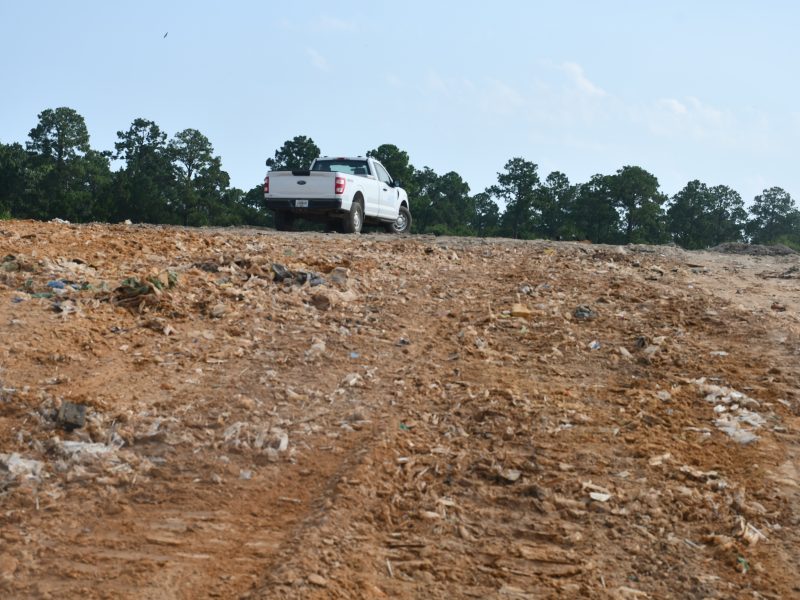
“It’s certainly an opportunity where we can grow and make this very beneficial for years to the community. It’s a service that we provide for the community and I want to prolong that resource for the community. It’s not just fill it up and close it.”
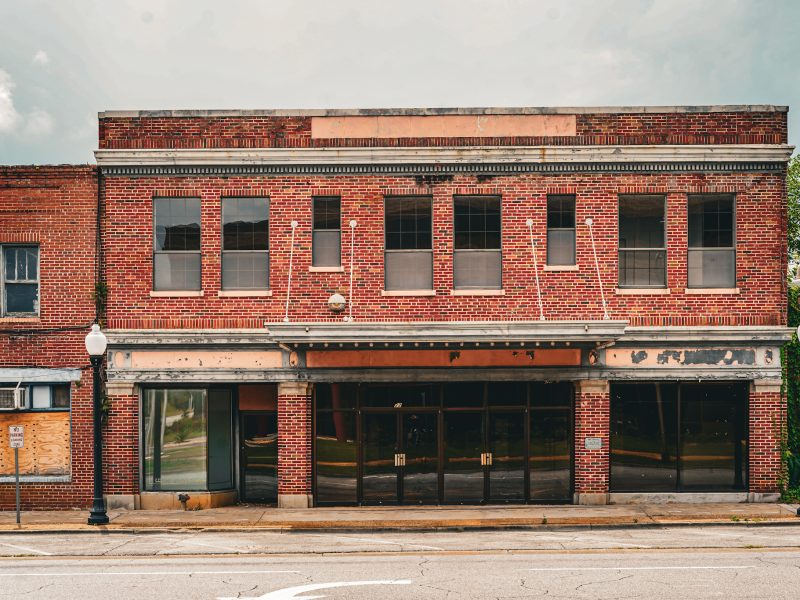
Putting on the Ritz: The rise, fall and renewal of Albany’s Harlem District
On July 7, the Albany City Commission unanimously approved final construction drawings for a comprehensive restoration of the Ritz Theatre and Cultural Center, clearing the way for the project to move into competitive bidding after years of planning and preservation efforts. The decision marks the latest chapter in a decades-long effort to preserve one of Southwest Georgia’s most significant African American landmarks.
